Portuguese
  Spanish


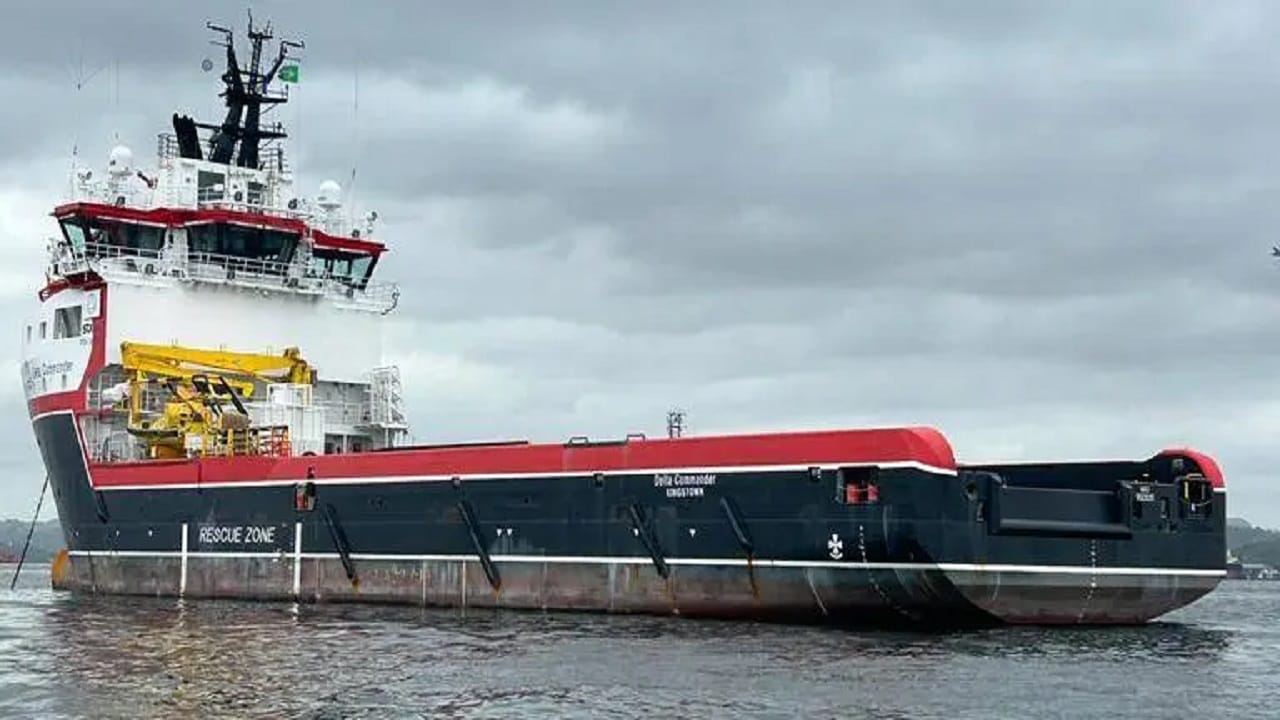

Equinor Launches First Hybrid Boat in Brazil, Promising to Reduce the Company’s Carbon Emissions by Up to 40%.
The first PSV (Platform Supply Vessel) to operate in Brazilian waters with zero carbon emissions has entered service with Equinor. This hybrid boat, equipped with a battery system, allows for the switching between electric and diesel power. Operating in the logistics of the Bacalhau field in the Santos Basin, the vessel is expected to reduce its CO2 emissions by up to 40% during its operations.
Hybrid Boat Is the Result of a Partnership Between Equinor and CBO
The hybrid PSV boat is responsible for transporting supplies and equipment necessary for the operation of assets from the mainland to offshore units. With the reduction of combustion engine use, which is only possible due to the batteries, it is also possible to reduce the carbon emissions generated by diesel consumption.
The hybrid vessel, in service with Equinor, is the result of a contract between the Norwegian company and the Brazilian group CBO. The partnership also plans the conversion of a new hybrid PSV for next year.
-
Fired during apartheid and with a little borrowed money, an electrician started with a borrowed truck and transformed electrical services into a group connected to energy, real estate, and infrastructure in South Africa.

-
Wood has ceased to be just a construction material in Yale research and has become insulation for electrical transformers that face intense heat, aging, and increasing pressure from the renewable energy-powered grid.
-
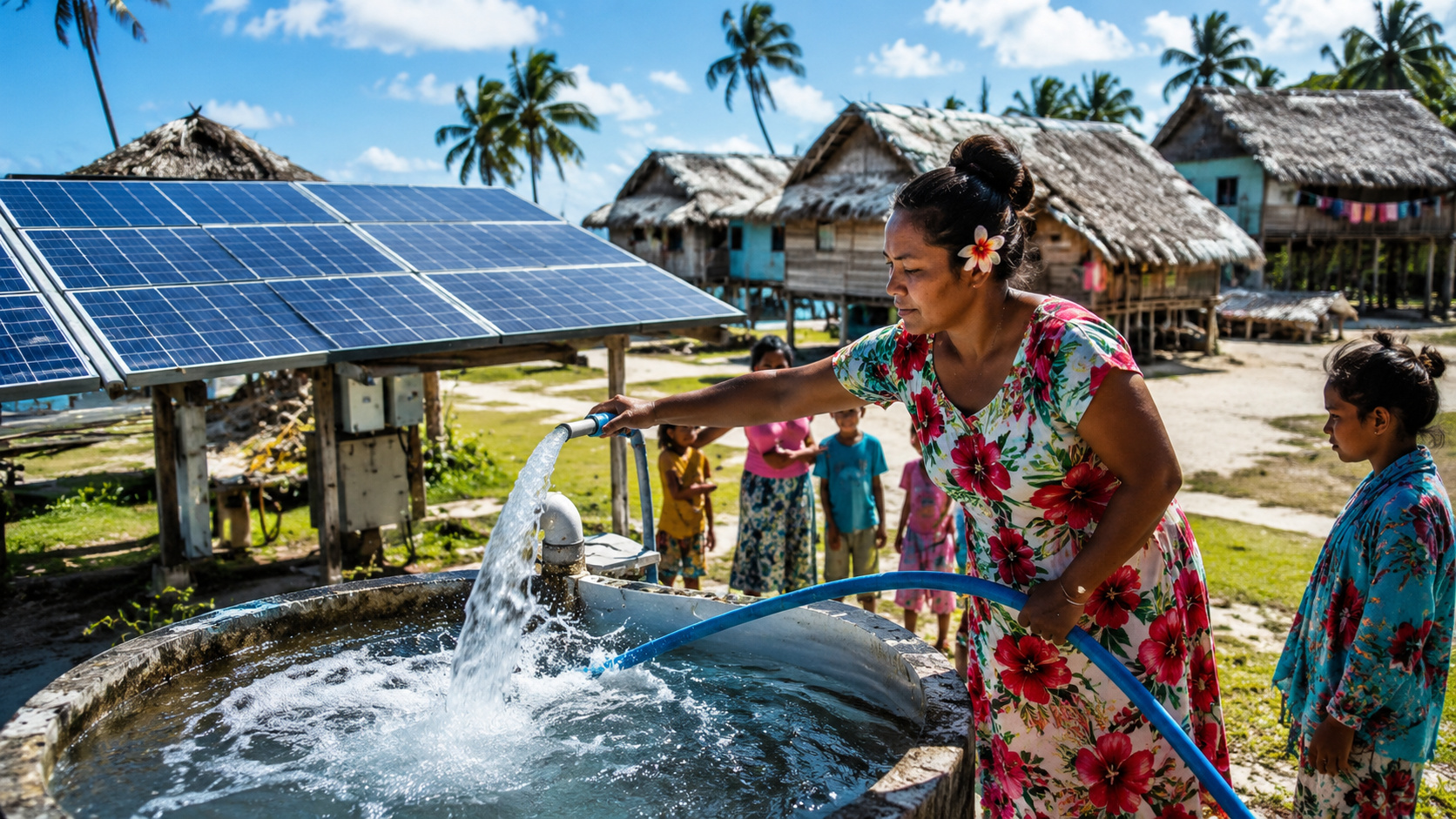
More than 1,000 residents of a remote island in Kiribati now have clean water and electricity with solar systems operated by the community itself.
-
Corn ethanol attracts R$ 23 billion in 21 new plants and prepares for a nearly 50% jump in Brazilian production by 2027, even with high interest rates.



Among the partners in Bacalhau are Equinor 40% (operator), ExxonMobil 40%, Petrogal Brasil 20%, and Pré-sal Petróleo SA (Government Company, PSA Manager). In this way, Equinor implements a new route to reduce carbon emissions from navigation, an alternative, for example, to the use of marine fuels mixed with biofuels. At the end of June, Petrobras announced tests of a bunker with 24% biodiesel in its composition.
Equinor Has Been Using Hybrid Boats Since 2016
According to Veronica Coelho, president of Equinor Brasil, in the past year the company announced the start of replacing diesel with natural gas in Peregrino. Now, including electric power as the driving force of a hybrid boat, the company knows that reducing carbon emissions in its activities will be even more important. Important steps are being taken to achieve, by 2050, the ambition of being a company with net-zero carbon emissions.
For Rafael Tristão, director of procurement and supply for the Norwegian company, the use of a hybrid boat aligns with Equinor’s global strategy and reaffirms its commitment to creating local value, as adaptations of the vessel are being carried out in Brazil by CBO, its 100% Brazilian partner supplier.
The oil company is ready to provide long-term partnerships with suppliers that bring innovative solutions, new technologies, and maximize value for its projects and operations. Equinor adopted its first global hybrid boat in 2016 in Norway. The company has hybrid boats operating in 100% of its operations in the North Sea.
Get to Know Equinor
Equinor is a global energy company with a proud history, being the largest operator in Norway, one of the largest offshore operators in the world, and a growing force in renewables. The company has about 20,000 people developing oil, gas, wind, and solar energy in over 30 countries. Approximately 2 million barrels (boe) are produced every day worldwide. 67% of Equinor’s shares are owned by the Norwegian government.
Driven by its Nordic desire to explore beyond the horizon and its commitment to safety, equality, and sustainability, the company is building a global business firmly based on its values and the needs of energy for the future. The Norwegian company is committed to setting new industry standards and providing energy globally in a responsible manner.