Portuguese
  Spanish


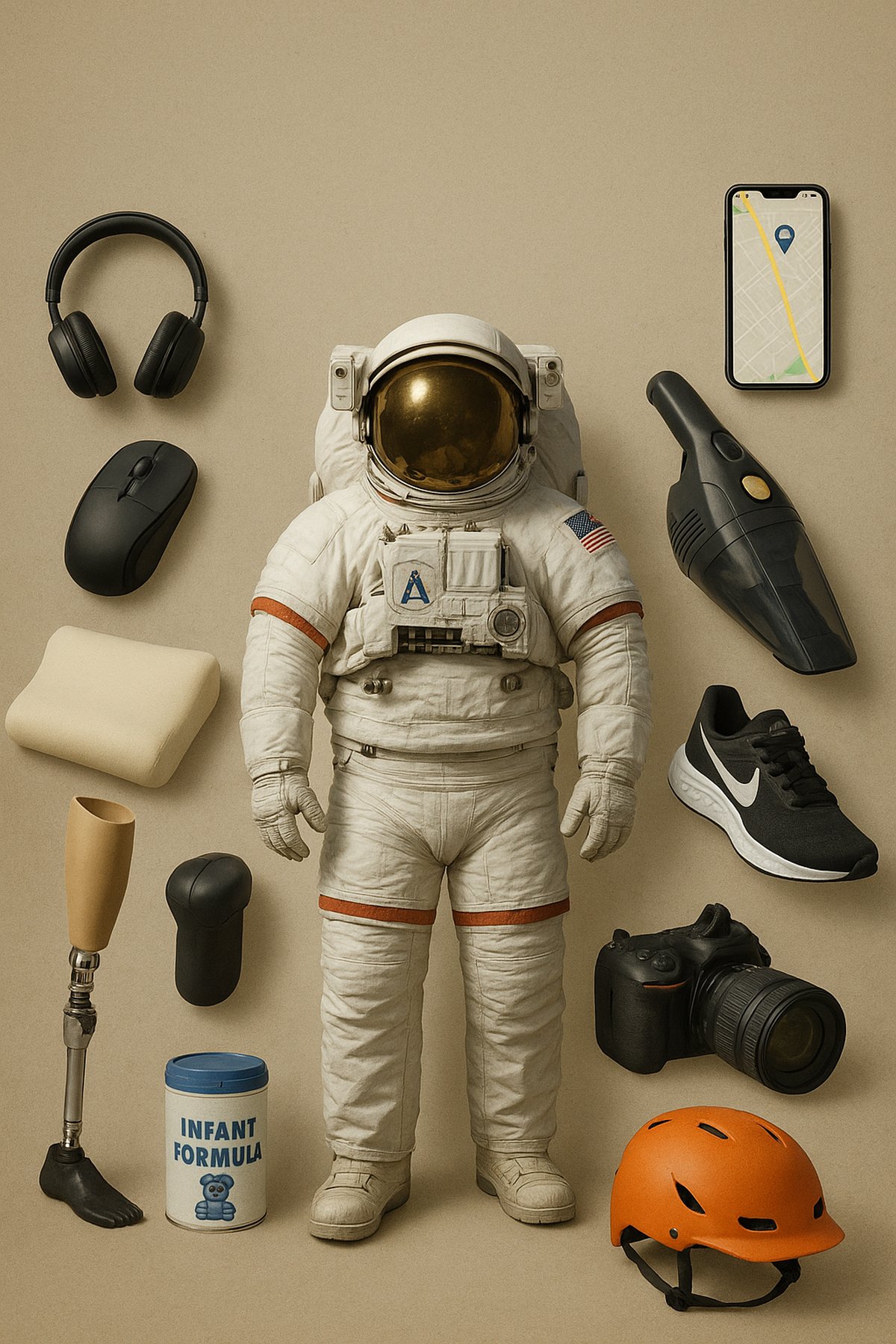

Did You Know That You Sleep, Walk, and Communicate With Help From NASA? Here Are 10 Space Inventions That Transformed Our Daily Lives Without You Noticing.
The NASA goes beyond space exploration: many technologies developed for astronauts have entered our daily lives and transformed it.
Check out the following innovative examples that are part of our daily lives:
Viscoelastic Foam (Known as “NASA Foam”)
Created in the 1970s to reduce impact on airplane seats, this foam, with high energy absorption capacity, became popular material in pillows, mattresses, and sports products once the patent was made public.
-
Masked Man Claims to Have Traveled to 2118, Predicts World War Starting with North Korea and Reveals Secret CIA Technology

-
At 54, Brazilian Artisan Turns Textile Waste into a Successful Handbag Brand, Earning Over $6,000 Monthly

-
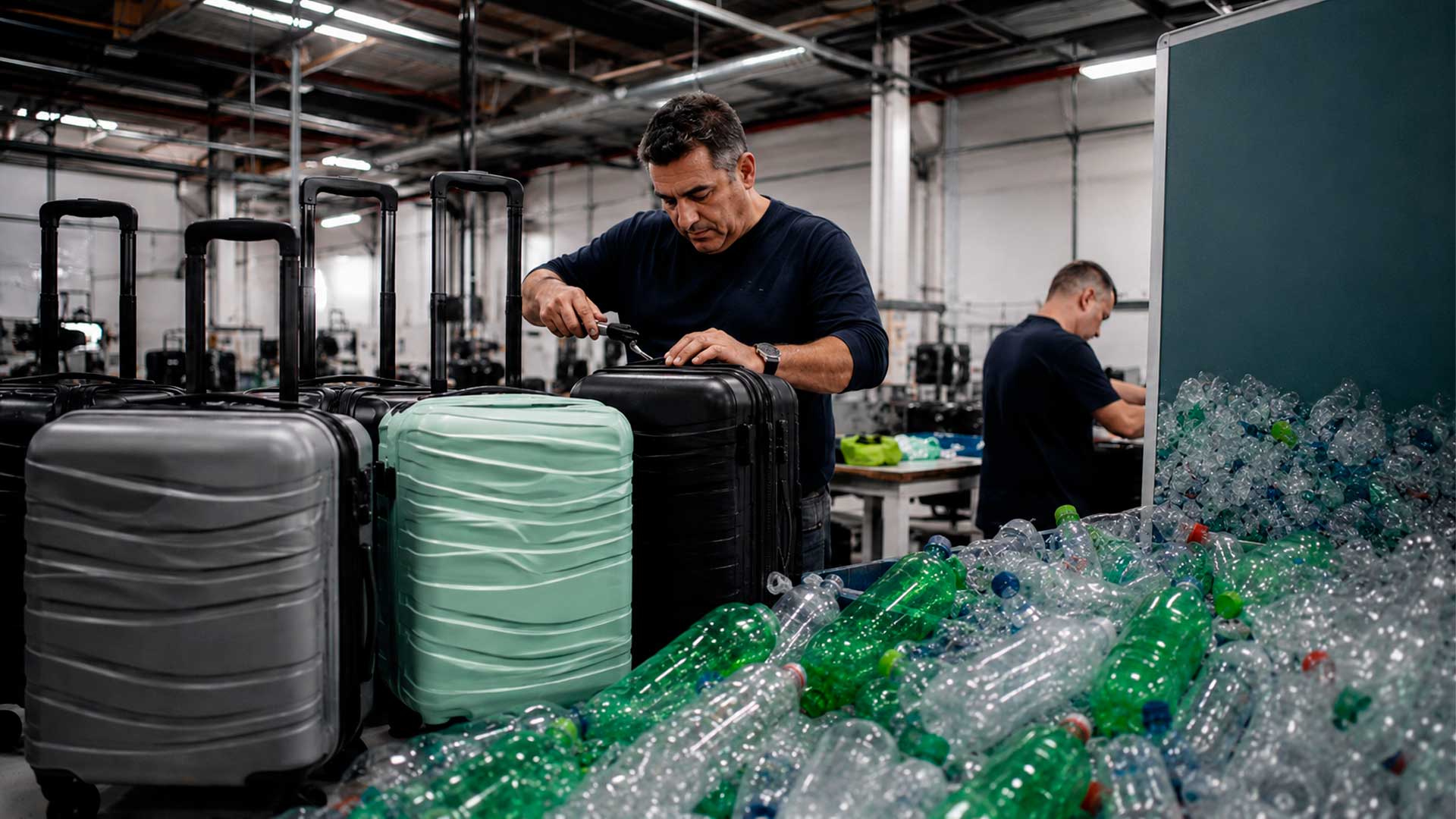
Brazilian Entrepreneur Sells $50,000 Monthly in Sustainable Luggage Made from Recycled Bottles, Eyes International Market
-
Chinese Man Transforms Home into 10-Story Pyramid Over 8 Years, Defying Authorities Before Demolition



Wireless Headphones
Developed to allow astronauts to work hands-free, these pioneering headphones opened the door to the world of Bluetooth headsets we use today.
Computer Mouse
In the 1960s, researchers at NASA were looking for more intuitive ways to manipulate data on computer screens — thus, the mouse was born, revolutionizing human-computer interaction.
Advanced Prosthetics
The expertise of NASA in shock-absorption materials, combined with robotic technology, propelled the development of more functional, agile, and durable prosthetics.
Cell Phone Cameras
The Jet Propulsion Laboratory (JPL), a division of NASA, developed in the late 1980s compact cameras for planetary exploration. This miniaturization paved the way for the sensors that now equip our smartphones.
Enriched Formulas for Babies
Research with algae for nutrition in space missions led to more nutritious infant formulas, benefiting mothers and babies around the world.
More Accurate GPS
Although GPS was created by the military in the 1970s, NASA developed in the 1990s software to correct signal errors, significantly increasing accuracy.
Technology Behind Nike Air
The concept of air cushioning, used in Nike Air shoes, was inspired by the space suits designed by NASA — showing how aerospace technology reaches our feet.
Portable Vacuum Cleaner (DustBuster)
The partnership between NASA and Black & Decker created a lightweight device to collect samples on the Moon — the technology was adapted and became the portable vacuum cleaner DustBuster, launched in 1979.
Medical and Sports Foam System
Reinforcing the use of viscoelastic foam, NASA helped spread the application of this material in orthotics, sports helmets, and medical equipment, increasing safety and comfort.
NASA continues to innovate in areas such as health, energy, and artificial intelligence!
Did You Already Know That NASA Was Part of Your Daily Life?