






 Portuguese
  Spanish
  2 min of reading
  0 comments


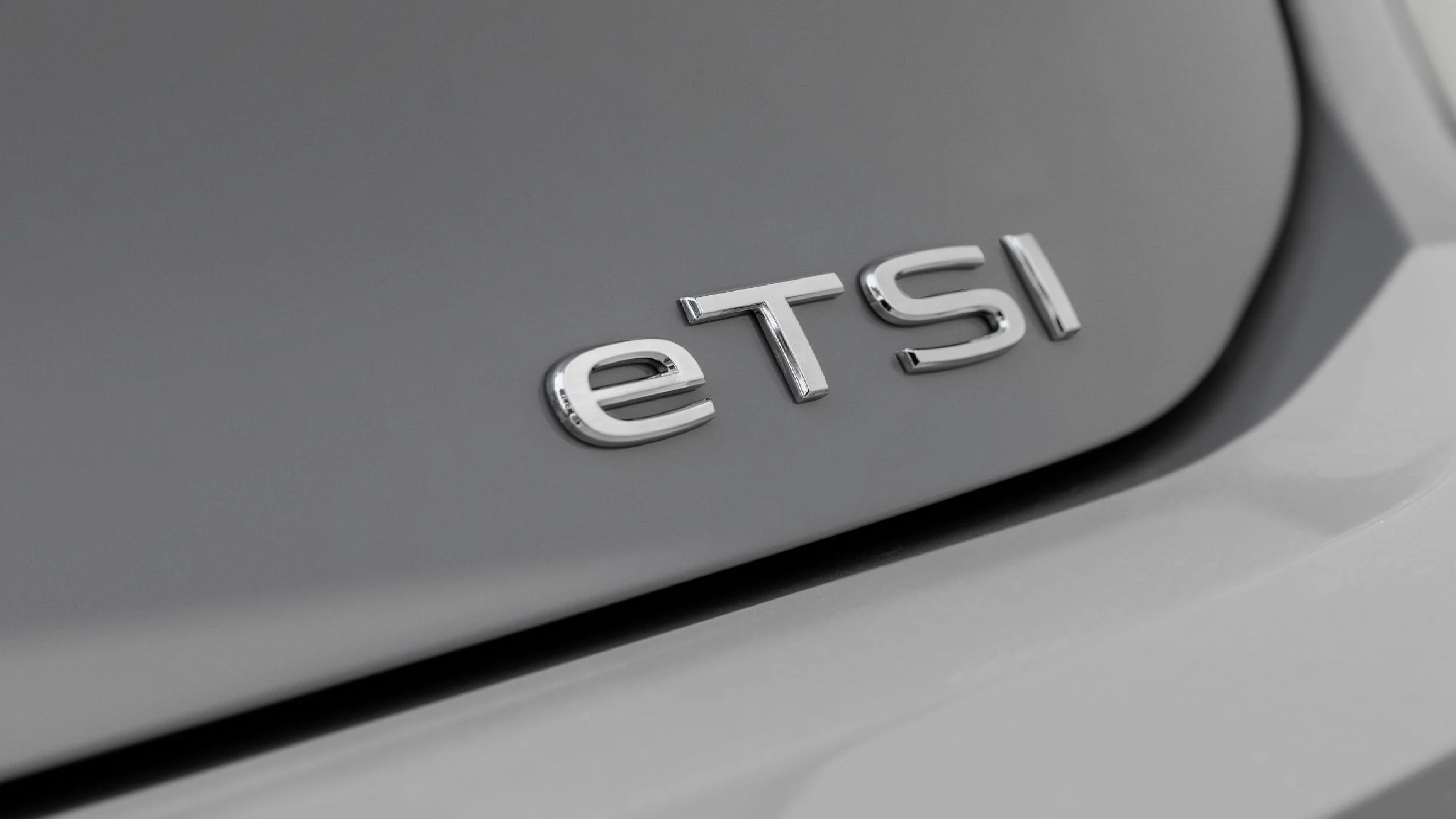
Learn About the Details of the 48-Volt Mild Hybrid System That Will Be Produced in Brazil and Promises to Lead Volkswagen’s Electrification
Volkswagen is preparing for a revolution in its vehicle lineup in Brazil with the launch of the mild hybrid 48-volt system, called eTSI. Starting in 2025, the German automaker will begin production of a new hybrid engine at the São Carlos (SP) plant and assembly on the MQB Hybrid platform in São Bernardo do Campo (SP). This move is part of a R$ 16 billion investment by 2028, consolidating Volkswagen’s electrification strategy in the national market, according to the website AutoPapo.
The New 1.5 TSI Evo Engine: Innovation and Efficiency
The 1.5 TSI Evo engine will be a key component in Volkswagen’s hybrids. Succeeding the current 1.4 TSI, this new engine is part of the EA211 family, which also includes the 1.0 three-cylinder engine. With important updates, the 1.5 TSI Evo promises to be more efficient, even without the aid of the hybrid system.
Among the innovations is the variable geometry turbocharger, a technology already known in diesel engines and in imported luxury vehicles. This type of turbine adjusts the moving blades to improve performance at both low and high revs.
-
Uber Faces Shareholder Scrutiny as Board Accused of Ignoring Safety, Compliance, and Harassment Warnings Amid Over 3,500 U.S. Lawsuits

-
Ferrari’s First Electric Car Divides Fans, Priced at $630,000, Amid Concerns Over Limited Editions; Brand Clarifies It’s Not Just for Future Perks
-
BYD Dolphin Mini: The Electric Car That Defies Depreciation, Losing Only 3.58% in a Year and Becoming the Best-Selling Retail Model Under $22,000

-
Electric Car JAC E-JS4 Loses $19,000 in Value in One Year, Leading Record Depreciation of Used Cars in Brazil Due to Expensive Battery and New Models




Another differentiator is the Miller cycle, where the exhaust valves remain open during part of the specification cycle, increasing energy efficiency. The engine also features active cylinder deactivation, allowing it to operate on only two cylinders in low-demand situations.
In Europe, the 1.5 TSI Evo delivers 150 hp and 25.5 kgfm with gasoline. For Brazil, a performance gain is expected when adapted for the flex system.
eTSI Hybrid System: Cutting-Edge Technology
The eTSI mild hybrid system from Volkswagen already powers models such as Golf, T-Roc, Tiguan, and Passat in Europe. Combining 1.0 and 1.5 turbocharged engines, the eTSI replaces the starter motor and alternator with a multifunctional device that also provides additional power to the internal combustion engine.

Although in Europe the system is paired with the DSG dual-clutch transmission, there is still no confirmation whether this configuration will be maintained in Brazil.
Impact on the Brazilian Market
The introduction of eTSI in Brazil marks an important step for Volkswagen in its electrification journey. With a more efficient engine and a mild hybrid system, the expectation is that the new models will not only attract Brazilian consumers but also raise the standards of efficiency and sustainability in the national automotive market.
The launch of eTSI hybrids represents the convergence of tradition and innovation, positioning Volkswagen at the forefront of automotive technology in Brazil.





Be the first to react!