






 Portuguese
  Spanish


The Reality of Tower Technicians: Why a 600-Meter Ascent Can Be Worth a $20,000 Award, but the Average Annual Salary of the Profession is Only $53,000?
The image of a technician climbing hundreds of meters to ensure our connection is often associated with extraordinary payments. However, the financial reality of Tower Technicians (or Industrial Climbers) is complex. The 600-meter ascent is an achievement of engineering and courage, but the central paradox of the profession lies in the huge gap between the average annual salary and the rewards paid for extreme risks.
These professionals are the silent guarantee of our global connectivity and air safety. They climb critical infrastructures to keep transmission signals and warning lights functioning, often in brutal conditions and without any elevator assistance. The real debate focuses on the paradox between daily life risks and the standard market compensation.
Extreme Logistics: The Reality of Raw Climbing
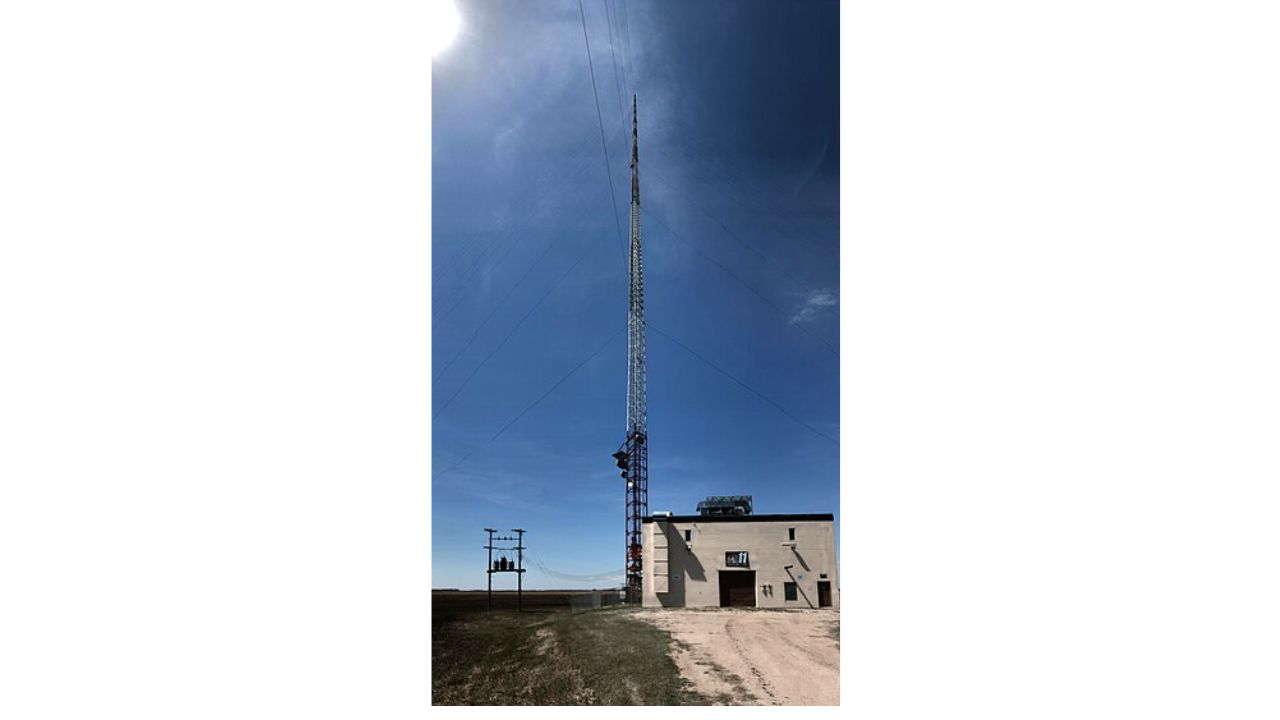
To understand the risk, one must understand the structure. Towers over 600 meters tall are rare and represent peaks of modern engineering. As highlighted by reports and articles on rare structures, there is a crucial difference between self-supporting towers, such as the Tokyo Skytree (634m), which generally have maintenance elevators, and guyed masts. It is in the latter category that the danger reaches its apex.
-
For a Decade, a Young Sudanese Innovator Builds Robots from Electronic Scrap in a Makeshift Lab in Omdurman

-
Woman with no tech background uses AI to develop app, reaches 50,000 users and goes viral with 2 million views by turning conversations into an emotional support tool.
-
From Construction Helper at 12 to Leading Real Estate Ventures Worth $210 Million After Delivering Over 2,000 Homes
-
‘Solar Cat’ Technology Arrives in Brazil, Raising Concerns Among Energy Distributors Over Suspected Cost-Cutting Method


The classic example is the KVLY-TV Mast in North Dakota, USA. Standing at 605.6 meters (reaching up to 629 meters in some measurements), this lattice metal structure supported by cables does not offer luxuries. Access is achieved through raw climbing, exposing the technician to hours of intense physical effort, strong winds, and the psychological challenge of being completely exposed. Maintenance on these “megatorsres without elevators” validates the maximum risk scenario and explains why spot services on these structures are so highly valued.
Average Salary vs. Risk Award: The Financial Reality
The true remuneration of the industry is much more modest than popular imagination suggests. According to salary research on specialized job platforms in the USA, the salary reality for most of these professionals is clear: the average annual salary for a Tower Technician (Cellular Tower Climber) in the United States is approximately $53,014.
Even highly experienced professionals, who reach the 75th salary percentile, rarely exceed $70,000 annually. Bonuses are rare and, when they exist, insignificant. While some leadership positions or complex project management roles may reach six digits, this is due to team responsibility and technical expertise, not individual ascents. The market, by offering $53,000 annually for a job with such risk, demonstrates that the award for bravery is not the industry norm.
The Exceptional Award: Kevin Schmidt’s $20,000


If the average salary is $53,000, where do high-value payments come from? They exist, but are risk awards applied to ultra-high and infrequent tasks. As documented by investigative reports and industry discussions on elite compensation, the most emblematic case is that of Kevin Schmidt, a specialist who maintains the tallest structures in the world (over 450 meters).
Schmidt receives a documented award of $20,000 per ascent on iconic and dangerous towers. However, these ascents are rare; reports indicate that he may work only a few days a year to earn his remuneration. The risk award, therefore, is not a salary, but a one-time payment that reflects the urgency, rarity of the structure, and criticality of the service, where a failure in infrastructure can cost millions to the operator.
Safety as a Barrier: The Proficiency Required
What allows a technician to make a 600-meter ascent is not just courage, but a rigorous proficiency in safety. In Brazil, the Regulatory Standard 35 (NR 35) is the backbone of the profession, establishing minimum requirements and training protocols for working at heights. Training is intensive, covering everything from equipment inspection to the use of fall protection systems and NR18 ropes.
The most critical protocol, taught exhaustively, is the “100% tie-off”. The rule is clear: the technician must never disconnect both safety carabiners at the same time. They must be always attached to the structure by at least one point. Failure to follow this protocol is the main cause of fatal accidents. Certification requires mandatory renewal every 24 months, ensuring that mental discipline is as robust as physical.
The Evolution of a Risk: From the Most Dangerous Job to Management
There was a time when climbing towers was routinely classified as the most dangerous profession in America. In 2006, the industry recorded an alarming mortality rate of 183 per 100,000 workers. The lack of regulation and the pressure for speed created a lethal scenario. However, a revolution in safety culture, driven by press investigations and the actions of bodies like OSHA and NATE, drastically changed this picture.
Heavy investment in training, standardization of equipment, and strict adoption of safety protocols (such as NR 35) led to a sharp decline in fatalities. Although the psychological risk of wind, height, and exposure remains, the profession has evolved from sheer courage to smart risk management. The value of the modern technician lies not in risking their life, but in their ability to mitigate risk to perform an essential task.
The Real Value of Connectivity
The financial paradox of the 600-meter ascent is resolved: the average salary of $53,000 pays for the routine of maintenance, while rare awards, such as $20,000, compensate for the extreme logistics in critical structures. The profession of Tower Technician remains one of the most challenging in the world, requiring a combination of elite physical strength, mental discipline, and rigorous technical proficiency to keep our world connected and safe.
The discussion about the salaries of these professionals is, at its core, a debate about the value we place on the invisible infrastructure that sustains our society.
What do you think about this disparity between extreme risk and average remuneration? Do you believe that the average salary of $53,000 justifies the risk of climbing 600 meters? Leave your opinion in the comments; we want to hear from those who live this in practice or what you think about this.







No brasil por 400dolar o técnico sobe de 60 a 90 metro de altura e as empresas acha que grande salário. Não tem valor o técnico .