






 Portuguese
  Spanish


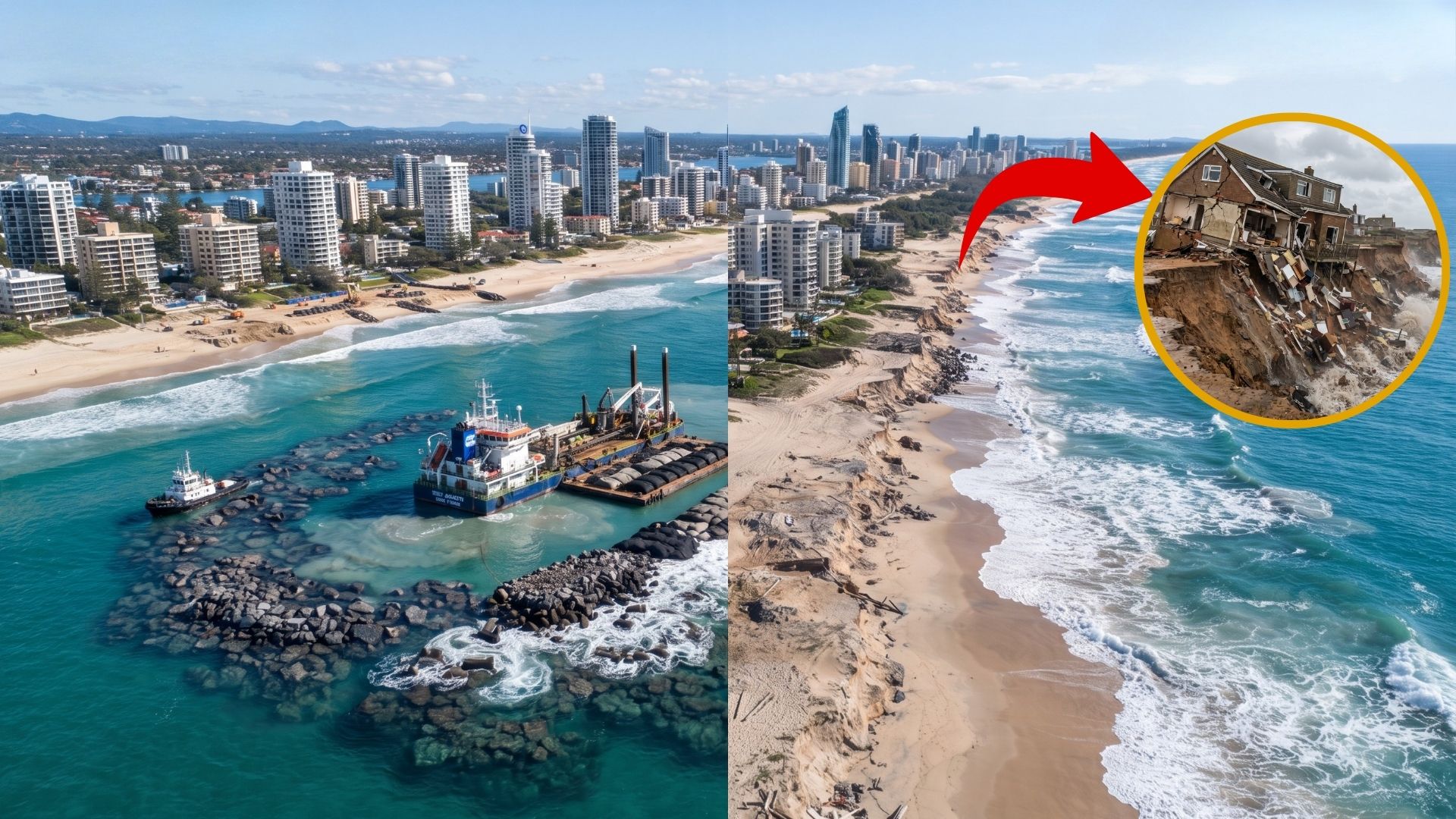

Gold Coast considers expanding its coastal defenses with new artificial reefs and other structures to reduce erosion threatening some of Australia’s most famous beaches.
Gold Coast, in the Australian state of Queensland, is home to about 57 kilometers of beaches that attract millions of visitors every year. But this postcard faces a growing challenge: increasingly intense storms, frequent swells, and the continuous loss of sand have accelerated erosion in various stretches of the coastline.
After the impacts caused by ex-tropical cyclone Alfred in 2025, which removed millions of cubic meters of sand from the coastal strip, local authorities began discussing new engineering solutions to protect the beaches in the long term. According to the ABC News Australia portal, among the alternatives being analyzed are the construction of new submerged artificial reefs, structures that reduce the energy of the waves before they reach the coast, as well as the possibility of larger permanent works in some critical points.
Storm removed about 4 million cubic meters of sand
In March 2025, ex-tropical cyclone Alfred caused one of the most severe erosion episodes recently recorded on the Gold Coast. According to the city council, approximately 4 million cubic meters of sand were displaced by the waves, damaging beach accesses, dunes, and part of the coastal infrastructure.
-
Humanoid Robots Begin Replacing Workers in Repetitive Roles as Companies Accelerate Industrial Automation

-
Humanoid Robots Begin Replacing Factory Workers in China, Working 64-Hour Shifts and Driving Industrial Automation Forward

-
Miniature Nuclear Reactor to Be Installed in South Wales, Powering 20,000 Homes and Reviving UK’s Nuclear Industry After Nearly 50 Years
-
San Andreas Fault Reaches “Highest Tension in 1,000 Years,” Raising Fears of the “Big One,” but New Study Identifies Key Zone Near Los Angeles Influencing Earthquake Impact





Recovery began with dredging and sand pumping operations to rebuild the beach strip, but municipal technicians themselves stated that complete recovery could take up to three years, depending on sea conditions.
The idea is to reduce the force of the waves before they reach the beach
Instead of relying solely on periodic sand replenishment, engineers advocate expanding the use of submerged structures. These artificial reefs are built at a certain distance from the beach and remain below the water surface most of the time.
Its main function is to ensure that part of the waves lose energy before reaching the sandy shore, reducing erosion during swells and storms. As they remain practically invisible to those observing the beach, the visual impact is much smaller than that of concrete walls or traditional breakwaters.
Palm Beach has already received an artificial reef with 60,000 tons of rocks
The Gold Coast already has an example of this type of solution. Between 2019 and 2020, the Palm Beach Shoreline Project was completed, considered the largest artificial beach nourishment and coastal protection project ever executed by the city. The work included:
- Construction of an artificial reef with approximately 60,000 tons of rocks;
- Replenishment of large volumes of sand on the beach;
- Reinforcement of existing coastal structures;
- Modeling of the work to also preserve the quality of the waves for surfing.
The reef was installed about 330 meters from the coast and is approximately 144 meters wide. According to the project managers, its function is to increase sand retention and reduce the effects of erosion during major storms.
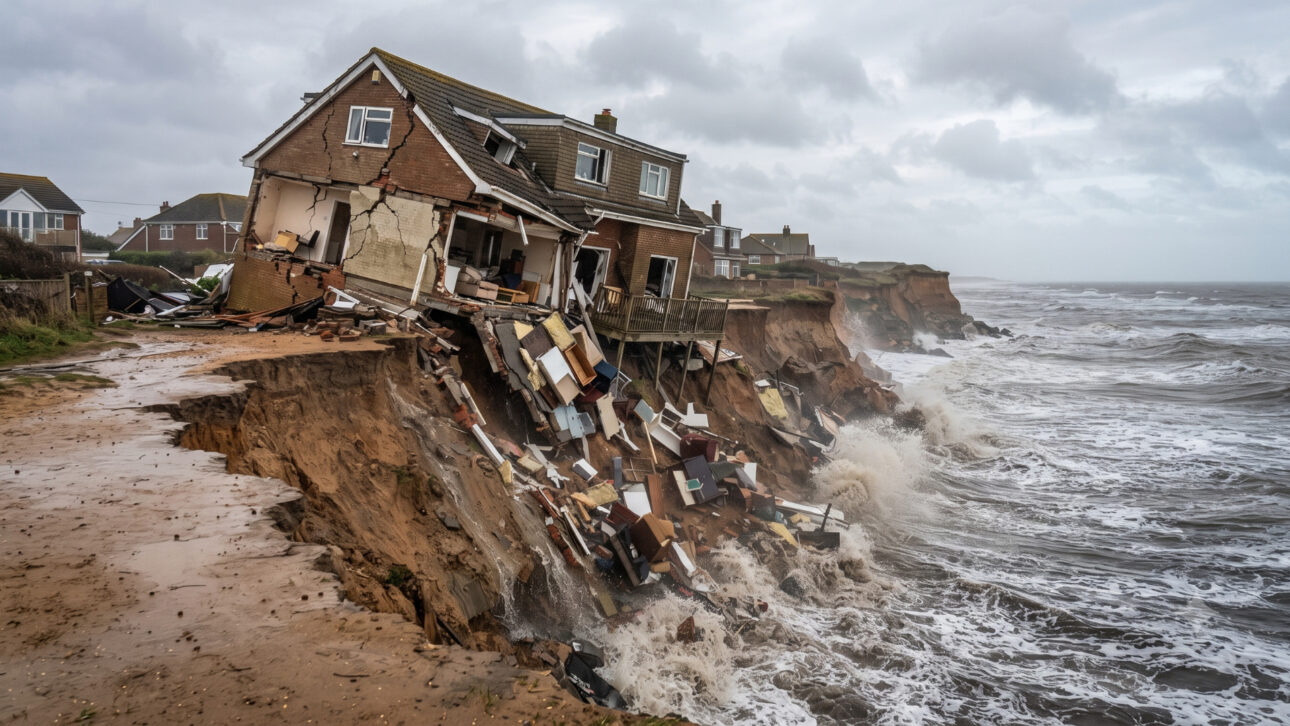
Authorities study new structures to protect other beaches
The damage caused by ex-cyclone Alfred reignited the debate on new permanent works. Among the alternatives discussed are new artificial reefs in other parts of the Gold Coast and larger coastal structures to reduce the vulnerability of areas like Surfers Paradise and Main Beach.
Mayor Tom Tate also advocated for studies on a large permanent coastal structure in more vulnerable points, arguing that such interventions could reduce the need for successive sand replenishment operations after major storms. So far, different proposals remain under evaluation and technical discussion.
The Palm Beach reef has already faced one of the biggest storms in recent years
After the passage of the former cyclone Alfred, the Palm Beach artificial reef underwent its greatest test since its inauguration. According to the City of Gold Coast, the structure helped preserve part of the beach’s width during the extreme event. Reports released after the storm indicated that, without the reef, erosion would have directly hit the retaining wall in several sections of the shoreline.
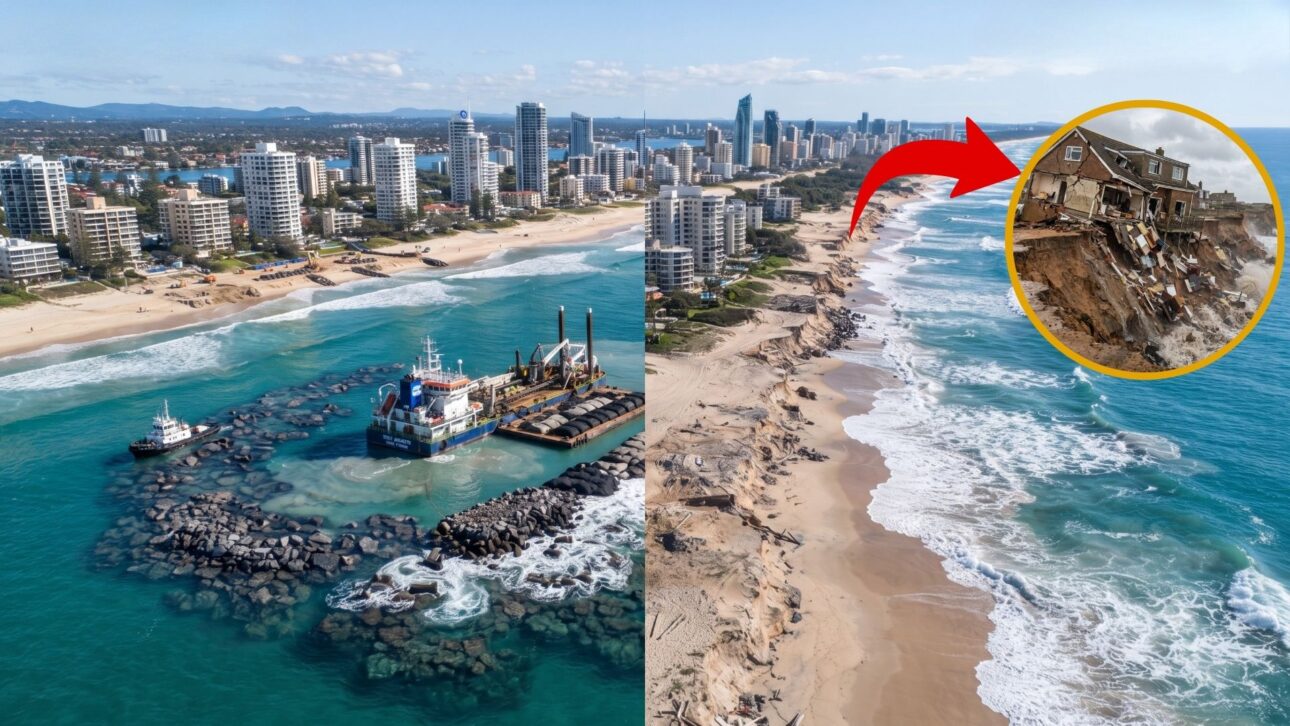
Although other beaches suffered significant sand losses, Palm Beach showed performance considered positive by the teams responsible for coastal monitoring.
Coastal engineering tries to work with the sea, not against it
Experts explain that the Australian strategy differs from the old models based solely on large coastal walls. The combination of artificial reefs, periodic sand replenishment, and continuous monitoring seeks to maintain the natural functioning of the beaches, reducing the intensity of the waves without completely preventing sediment transport.
According to the City of Gold Coast, these solutions are part of a long-term adaptation strategy to face extreme events and protect both the infrastructure and one of Australia’s main natural and tourist heritages.


