






 Portuguese
  Spanish
  4 min of reading
  1 comment



Discover Essential Practices That Directly Influence The Lifespan Of Your Car’s Engine, Involving Simple Care That Many Drivers Overlook, But That Can Avoid Losses And Ensure Superior Performance For Much Longer, Even In Adverse Conditions.
Keeping your car’s engine running perfectly for longer is the wish of any driver.
According to experts, adopting simple and routine care can significantly prolong the engine’s lifespan, avoiding unexpected expenses and ensuring greater safety when driving.
According to studies and technical recommendations, some habits, when incorporated into daily life, help preserve the essential components of the engine, protecting it against wear and premature failures.
-
Survivor of 1966 SS Daniel J. Morrell Shipwreck in Lake Huron Recounts 38-Hour Ordeal in Extreme Cold

-
The Greatest Hoax in World Cup History? The Film That Denied Brazil’s 1958 Victory and Exposed How Fake Evidence Can Seem Convincing on TV
-
Fake South Korean Online Stores Offer Shopping Thrill Without Spending Money or Receiving Products
-
Brazilian Joins Homeownership Consortium, Faces Decade of Dual Payments Totaling $141,000, Surpassing Traditional Mortgage


1. Change The Oil Regularly And Use The Type Recommended By The Manufacturer
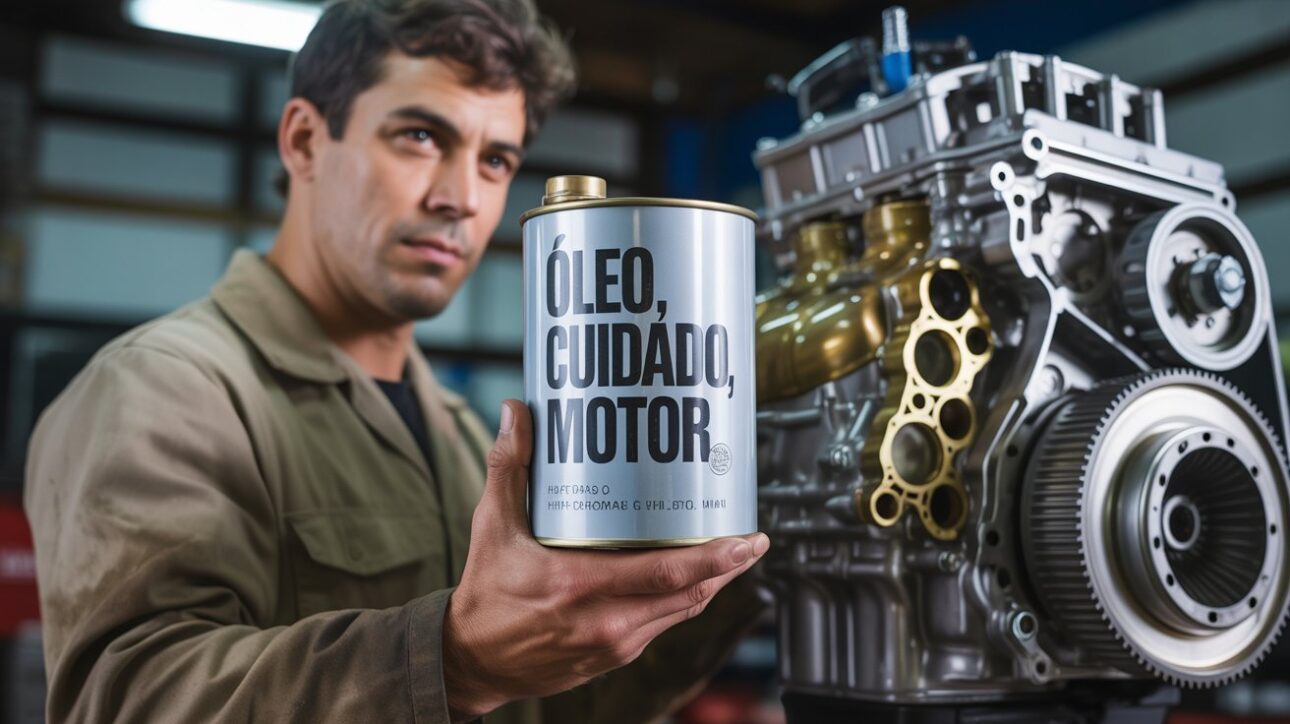
Changing the oil is undoubtedly the most fundamental procedure for the health of the engine.
Experts advise that the oil should be replaced according to the interval indicated in the owner’s manual, which typically ranges from 10,000 to 15,000 kilometers, depending on the oil specification used.
Using the correct type of oil is not just a recommendation, but a technical requirement to ensure efficient lubrication of the engine’s internal parts, which reduces friction and wear.
In addition, the oil helps keep the engine clean by eliminating residues that can compromise its performance.
Ignoring this care can result in serious problems, such as overheating, loss of power, and even engine seizure.
2. Avoid Sudden Accelerations And High RPM
The way the driver handles the vehicle directly impacts the engine’s lifespan.
Sudden accelerations and keeping the engine at high RPM increases stress on the mechanical components, accelerating wear.
Driving smoothly, with gradual accelerations and timely gear changes, helps preserve the engine’s integrity and saves fuel.
Additionally, this practice reduces the risk of failures that could require costly repairs in the future.
Aggressive driving, therefore, not only compromises safety on the road but also decreases the engine’s lifespan.

3. Let The Engine Run For A Few Seconds Before Starting To Move
Especially on colder days, it is important to give the engine time to warm up before starting to drive.
When starting the car, let it idle for about 30 seconds to allow the oil to circulate through all moving parts and properly lubricate the engine.
This simple procedure prevents premature wear and helps maintain the engine’s ideal performance over time.
Ignoring this step can generate excessive friction between parts, increasing the risk of irreversible damage.


4. Keep The Cooling System In Perfect Condition
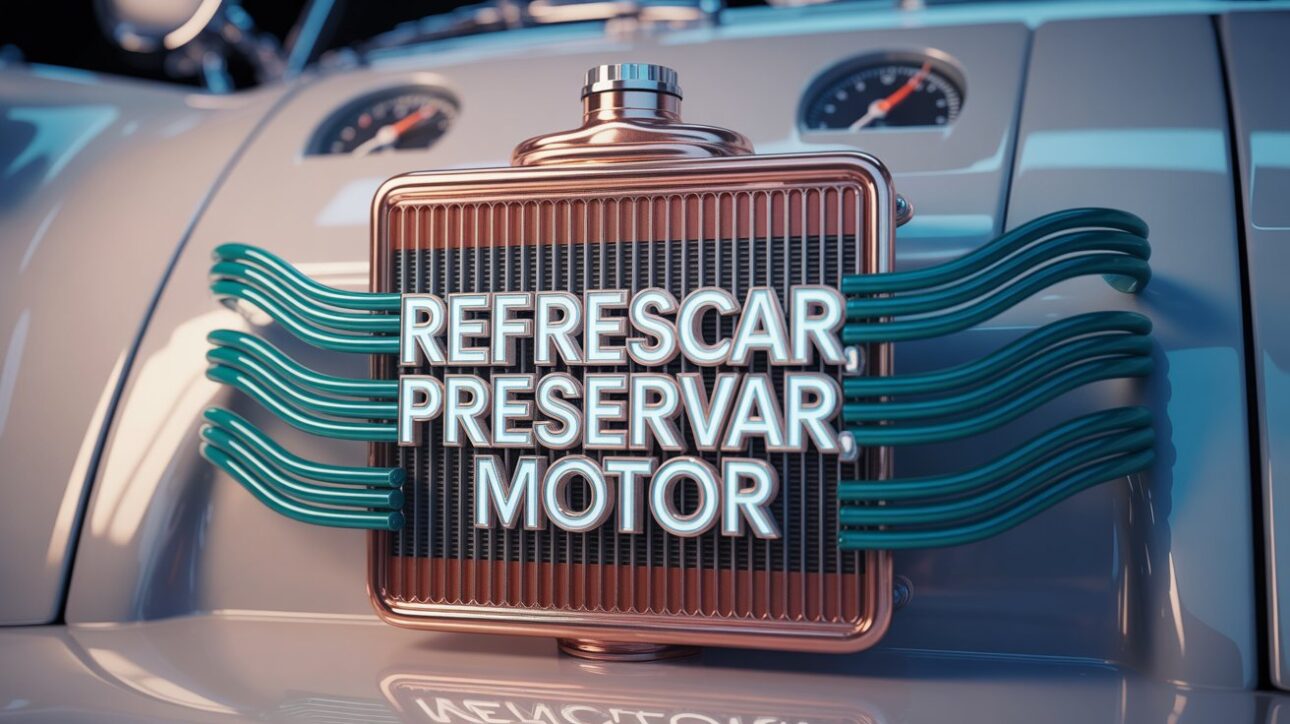
The cooling system, which includes the radiator and coolant, is vital to prevent the engine from overheating.
Regularly checking the coolant level and performing preventive maintenance on the system are essential actions to ensure the engine’s proper functioning.
Overheating can cause serious damage, from deformation of components to complete engine seizure.
According to experts, caring for the cooling system should be a priority, especially in vehicles used in hot climates or severe traffic conditions.
5. Follow The Preventive Maintenance Schedule Recommended By The Manufacturer
According to the owner’s manual, regular monitoring of the vehicle’s condition is crucial to detect and correct problems before they escalate.
Preventive maintenance includes replacing parts such as belts, air and fuel filters, in addition to inspecting electrical systems and suspension.
Strictly adhering to this schedule avoids unexpected failures, ensures the engine’s efficient performance, and prolongs its lifespan.
Many drivers end up neglecting this step, which can lead to high costs and greater losses in the future.

Significantly Increasing The Lifespan Of Your Car’s Engine
Adopting these simple yet proven practices can significantly increase the lifespan of your car’s engine.
In addition to preventing failures that require costly repairs, you also contribute to the safety and efficiency of the vehicle in daily use.
Keeping up with oil changes, driving gently, giving the engine the necessary time to warm up, caring for the cooling system, and following preventive maintenance are fundamental steps for those who want to ensure the engine’s longevity.
With these precautions, your car will always be ready to perform at its best with reliability.
And you, do you already incorporate any of these practices into your driving routine? What other tips do you consider essential for preserving your vehicle’s engine? Leave your comment and join the conversation!





Excelente essas dicas….. já coloco todas elas em prática principalmente porque trabalho de Uber com meu New Fiesta Hatch 2016….e tudo está sempre em dia….. só acrescentaria os cuidados com os pneus com relação ao rodízio e mantendo sempre a calibragem em dia e a manutenção periódica com os freios….. valeu um abraço a todos…..