






 Portuguese
  Spanish
  3 min of reading
  0 comments


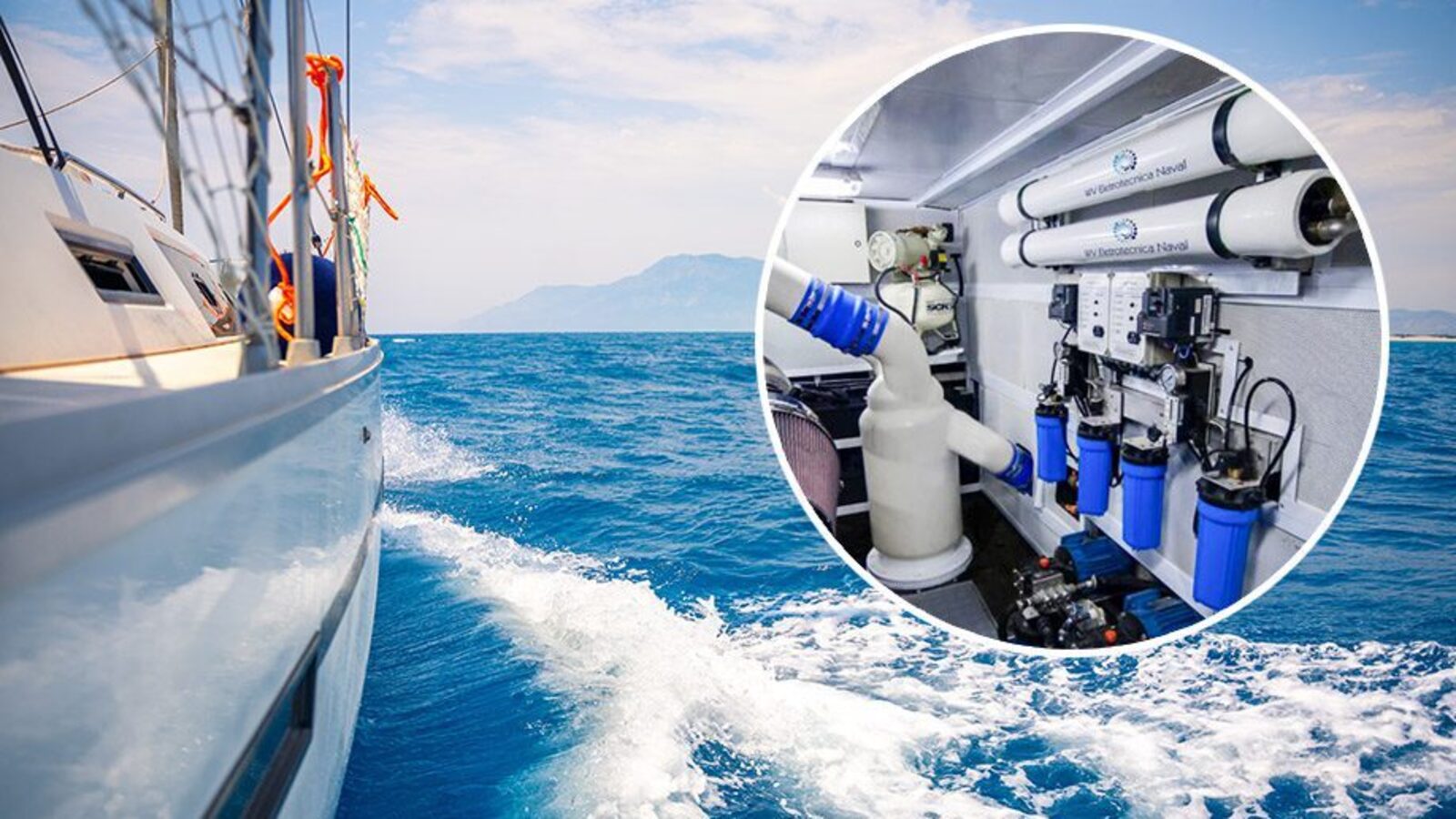
Created after a difficulty experienced on boats, equipment uses reverse osmosis, has national parts, reduces dependence on imports, and increases the autonomy of those who spend long periods navigating the Brazilian coast during their travels
A family from the coast of São Paulo turned a difficulty experienced on boats into a national business. Created from an initial investment of approximately R$ 20,000, the sea water desalination device developed by Sicro produces up to 130 liters of fresh water per hour and increases autonomy during trips.
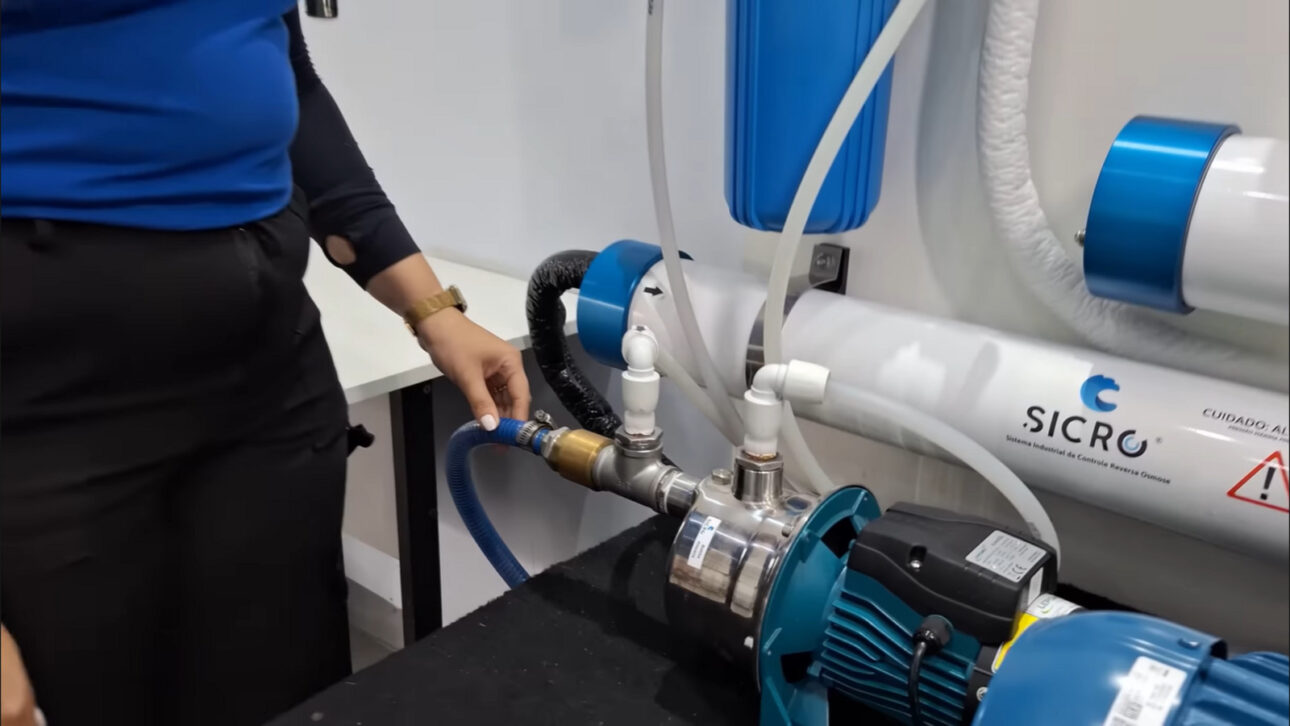
Sea water desalination device was born from experience on boats
The initiative came from Wilson Valencio Filho, who was born on the coast and grew up in contact with boats and fishing activities.
This experience allowed him to closely understand the difficulties faced by those who spend hours or days at sea.
-
A doctor from Minas Gerais warns that sleeping with the fan pointed at the body all night is not as harmless as you think; it dries out the respiratory tract, causes mucus buildup, spreads dust mites, and can even irritate the cornea of the eyes.

-
Ecuadorian volcano at 6,268 meters is more than 2,000 meters closer to space than Everest, which is 8,848 meters, because the Earth is wider at the equator.
-
Public school students in the hinterlands of Maranhão create a bioinsecticide with neem and castor to protect corn crops, transform rural waste into biogas and biofertilizer, and bring sustainable technology to producers at ExpoSertão.

-
Ötzi, the 5,300-year-old mummy found in the Alps, reveals a still active microbiome, and the Iceman’s yeast points to an energy-saving fermentation.


One of the most frequent limitations was the amount of fresh water available for bathing, cleaning, washing dishes, and other basic tasks on boats.
To solve this problem, Wilson decided to develop his own machine in the early 2000s.
The project began with an approximate investment of R$ 20,000. The idea evolved, became a business, and started serving clients in different Brazilian regions, especially in cities connected to navigation and maritime activities.


Machine produces up to 130 liters of fresh water per hour
The equipment uses reverse osmosis, a process that filters seawater and separates salt and other impurities. After treatment, the water can be used for daily activities on board the vessel.
Uses include bathing, dishwashing, cleaning the boat, and supplying washing machines. Each unit can produce up to 130 liters of fresh water per hour, according to the information provided by the company.
In practice, the seawater desalination device reduces the need to store large volumes before trips or make frequent stops for refueling. The solution offers greater autonomy, especially during longer journeys.
The technology can also be applied in areas near the sea where access to fresh water is not constant.
Brazilian production reduces dependence on imports
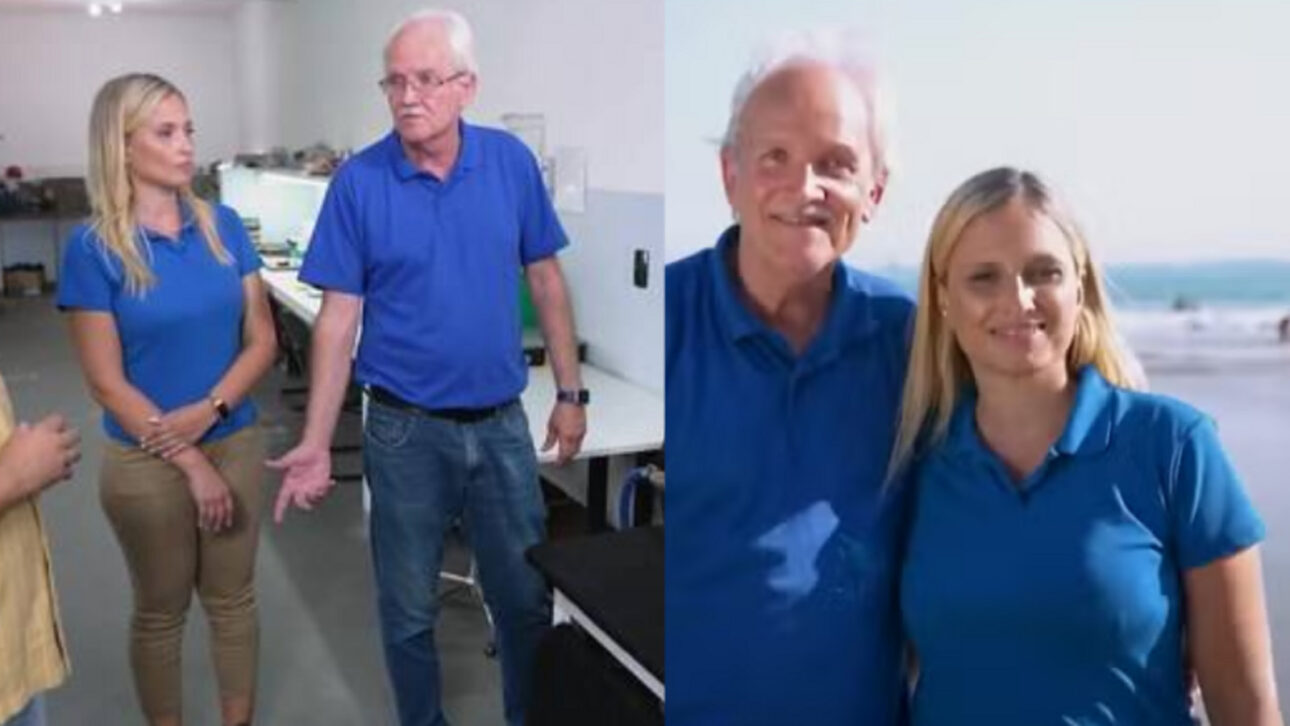
With the company’s expansion, the family began to participate directly in the operation. Bruna Valencio, the founder’s daughter, became a partner and works in management. Another daughter takes care of the financial and legal areas.
Even maintaining a family structure, Sicro expanded its presence. Currently, it has representatives in Itajaí, Angra dos Reis, Paraty, and other points along the São Paulo coast.
All production is carried out in Brazil, with national parts. This choice reduces the waiting time for equipment, as the company does not depend on the arrival of imported components.
Prices are also set in reais. Thus, negotiations are not directly subject to dollar fluctuations, another factor highlighted by the company in the commercialization of the machines.
Desalination market could exceed US$ 59 billion
The Brazilian solution follows the global expansion of the desalination sector. Data from Fortune Business Insights indicates that this market moved approximately US$ 27.8 billion in 2025.
The projection indicates that the value could reach US$ 59.3 billion by 2034. The growth accompanies the demand for alternative water supply solutions in coastal regions and areas facing supply difficulties.
This article was prepared based on the information provided about Sicro and data from Fortune Business Insights, with numbers and information preserved as per the consulted material.




Be the first to react!