Portuguese
  Spanish


The High Asian Glaciers Are Melting At Unprecedented Speed. New Research Reveals That It Is Not Just Global Warming That Accelerates This Process. Changes In The Monsoons, Which Used To Guarantee Snow And Balance, Are Now Transforming The Scenario, Putting Billions Of Tons Of Ice And The Water Security Of More Than 1.4 Billion People At Risk.
The High Asian Glaciers Are Disappearing At An Alarming Rate. Each Year, More Than 22 Gigatons Of Ice Are Lost, Equivalent To About Nine Million Olympic Swimming Pools. This Phenomenon Has Long Been Attributed Solely To Rising Global Temperatures.
However, New Research From The University Of Utah And Virginia Tech Reveals That Changes In Seasonal Climate Patterns Also Directly Influence This Process.
Scientists Point Out That Changes In The Southern Asia, Responsible For A Large Portion Of Precipitation In The Region, Are Accelerating Glacial Melting.
-
Ship Returns from Brazilian Coast with Thirty Newly Discovered Life Forms

-
Nigerian Professor Invents Electricity-Free Refrigerator Using Clay Pots and Wet Sand, Extending Shelf Life of Vegetables to 27 Days; 7,000 Units Distributed in Energy-Deprived Villages

-
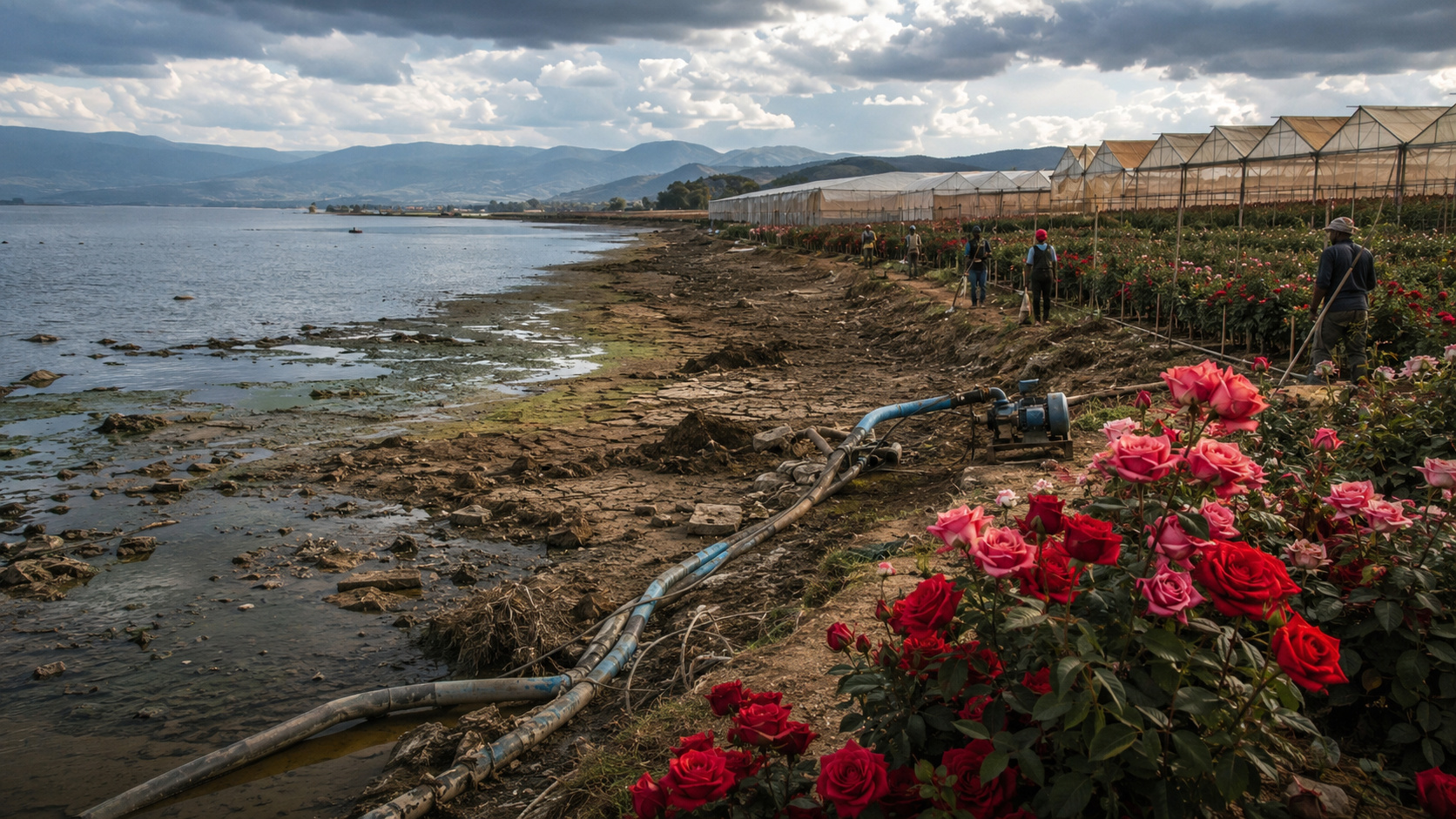
Flower Farms Supplying London and Amsterdam Face Backlash for Environmental Impact on African Lake, Threatening Jobs for 50,000 Workers

-
World’s Largest Container Ship Departs Shanghai with 24,000 Containers, Set to Debut in Europe in July


This Is The First Clear Evidence That Seasonal Climate Instability Goes Beyond Global Warming.
Most Affected Regions And Impact On Populations
The Areas Most Exposed To This Risk Are The Central, Western, And Eastern Himalayas. In These Locations, The Dynamics Of The Monsoons Have Become Crucial For Glacial Stability.
According To Sonam Sherpa, A Professor At The University Of Utah And Lead Author Of The Study, If The Intensity And Timing Of The Monsoons Continue To Change, Ice Loss Will Be Even Greater. He Warns That Water Availability For Millions Of People Living Downstream May Be Threatened.
The Region Is Called The Third Pole Because It Contains The Largest Reserve Of Ice Outside The Arctic And Antarctic. Its Glaciers Feed Rivers And Lakes That Provide Drinking Water, Agricultural Irrigation, And Hydropower For More Than 1.4 Billion People In South And Central Asia.
The Broken Balance In The Central Himalayas
In The Central Himalayas, Many Glaciers Used To Gain Mass During The Summer Monsoons. Intense Precipitation Would Turn Into Snow At High Elevations And Strengthen The Ice.
But This Balance Has Been Disrupted. Global Warming Has Reduced Snowfall, Shortened The Rainy Season, And In Some Cases Turned Snow Into Rain.
As A Result, Accumulation Has Decreased While Melting Has Increased. Consequently, The Glaciers Are Retreating Rapidly.
Researcher Susanna Werth From Virginia Tech, Co-Author Of The Study, Warns That Future Glacier Retreat Will Alter The Main Source Of River Flow.
The Water From Melting Will Be Replaced By Rain, Increasing The Risk Of Droughts In Downstream Regions.
Immediate Risks: Floods And Landslides
In Addition To Long-Term Threats, Unstable Glaciers Pose Immediate Dangers. Accelerated Melting Creates Glacial Lakes That, When They Burst, Cause Sudden Floods In Nearby Communities.
These Floods Can Trigger Landslides And River Overflows, Endangering Human Lives And Infrastructure.
Therefore, Scientists’ Concerns Are Not Limited To Future Water Scarcity, But Also To The Current Threats To Mountain Populations.
Collected Evidence And Natural Cycles
The Authors Of The Study Used Satellite Data From NASA’s GRACE Mission, Which Measures Changes In Earth’s Gravitational Field.
This Information Revealed That In The Central And Western Himalayas, Increased Rainfall Has Caused Greater Ice Loss. In The East, The Reduction In Snowfall Has Proven To Be More Determinative.
Another Identified Point Was Melting Cycles Of 3 To 8 Years, Linked To The Natural Variability Of The Monsoons. This Raises Even More Concerns Because Future Climate Changes May Intensify This Instability.
Thus, The Researchers Conclude That The Accelerated Disappearance Of Glaciers Involves Not Only Global Temperature Changes But Also Regional Transformations In Rain And Snow Patterns.
The Sum Of These Factors Puts Both Water Security And The Immediate Protection Of Millions Of People In Asia At Risk.