





 Portuguese
  English
  Spanish
  3 min of reading


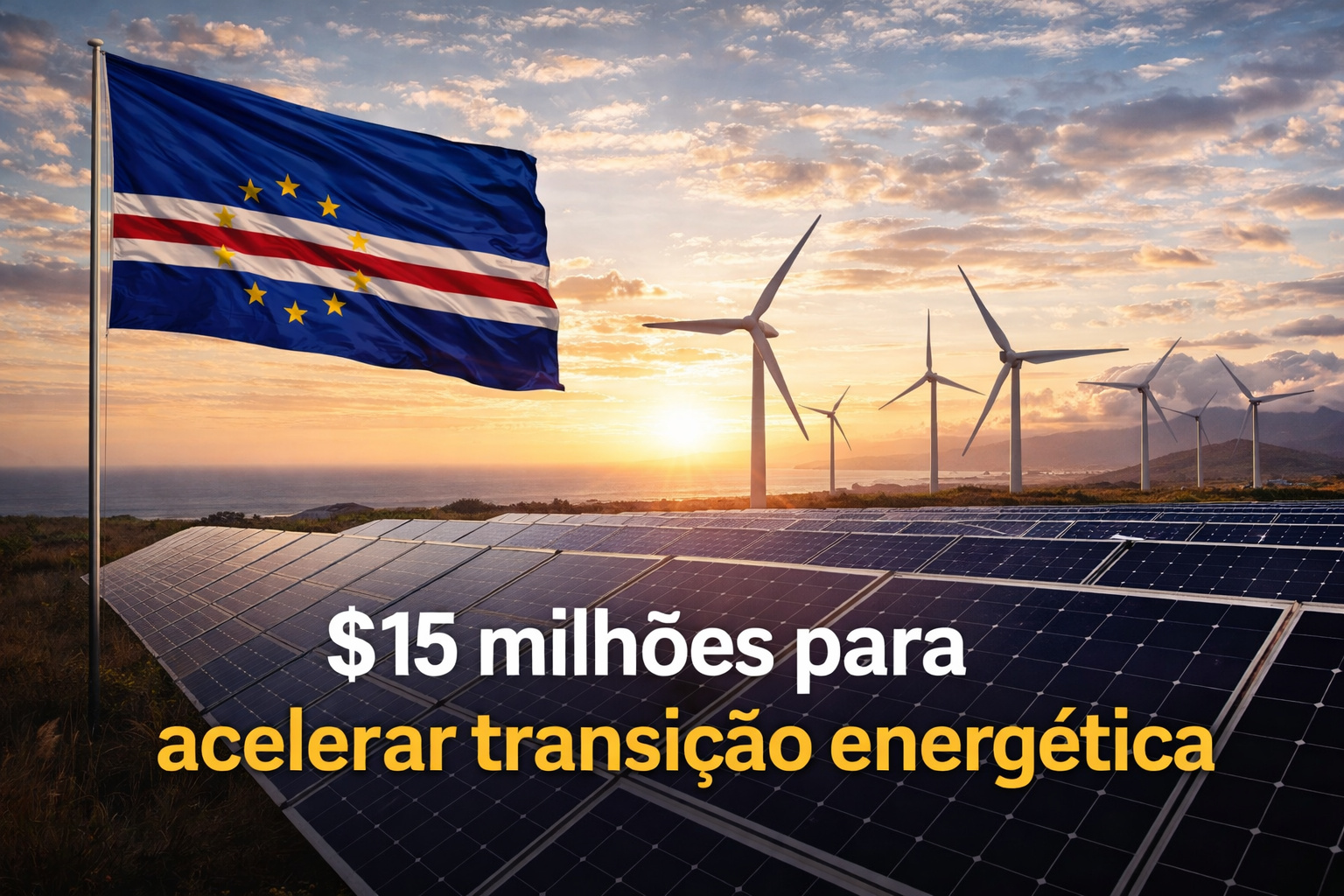
Cape Verde has taken another important step in its energy transition.
The government announced the approval of a set of agreements totaling nearly 15 million dollars and strengthens investment in clean energy production, modernization of the grid, and improvement of public services.
According to the Cape Verdean Executive, the funding will strengthen the Renewable Energies and Energy Efficiency Improvement Project, already underway in the archipelago.
The announcement was made in early 2026 and integrates commitments made with multilateral partners.
Goal: Reduce Fossil Fuels and Expand Renewable Energies
The new package arrives at a strategic moment.
The country relies heavily on imported fossil fuels to supply its electricity matrix.
Therefore, increasing the use of renewable sources has become a national priority.
-
Sustainable mansion in Colorado made with over 1,500 recycled tires, clay, cans, and bottles has 414 m², solar energy, rain sensors, a stable with 23 stalls, and is for sale for $1.3 million.

-
UN alert reveals that oceans are warming at a record pace, Arctic ice may disappear in summers, and coral reefs are heading towards climate collapse.

-
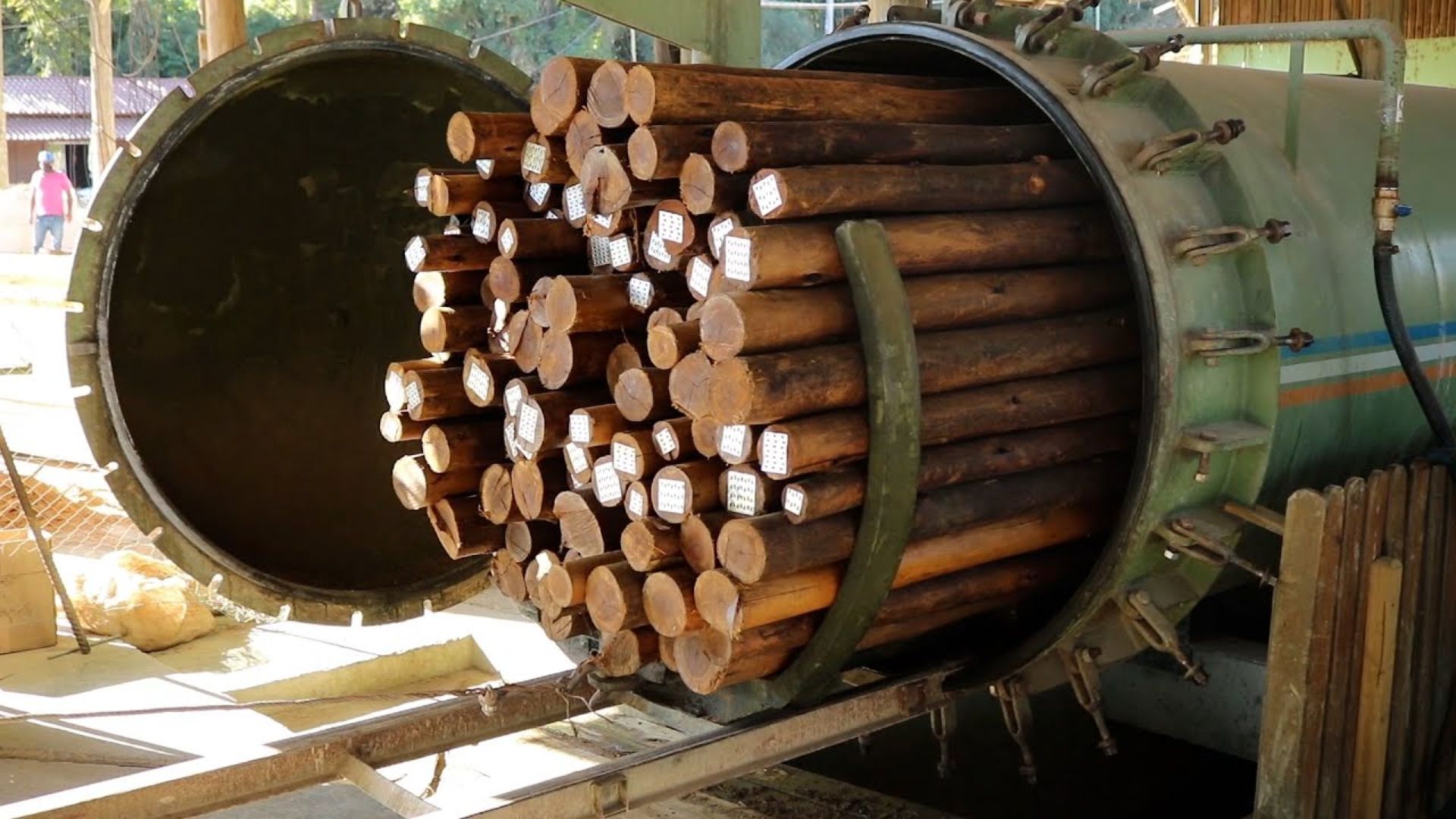
Mato Grosso has just signed a plan that could quietly change the origin of the wood used by the industry and transform planted forests into a key component of sustainable supply by 2040.
-
The giant reservoir that São Paulo needs to avoid collapse is surrounded by sewage, microplastics, and illegal settlements, while nearly 22 million people live in the region that depends on urgent water solutions.


Furthermore, the government emphasizes that the financial contribution will allow for the acceleration of the installation of solar and wind systems, both in the most populated islands and in isolated regions.
Consequently, the country reduces generation costs and avoids vulnerability associated with fluctuations in international oil prices.
Path to Universal Access to Electricity by 2030
Cape Verde has set a clear goal: to ensure universal access to electricity by 2030.
Although the service already reaches most of the territory, there are still areas where infrastructure needs to advance.
Thus, the complementing project works on two fronts.
The first expands the production of renewable energy.
The second modernizes essential public systems, allowing schools, hospitals, and offices to consume energy more efficiently and with less waste.
This movement, according to experts monitoring the plan, prepares the country for a sustainable and less costly expansion.
International Partners and Expected Impacts on the Energy Transition
The government emphasized that the new contributions come from international institutions committed to green development.
These resources allow for the acceleration of studies, works, and acquisitions that would otherwise take years to materialize.
Moreover, the Ministry of Industry, Commerce, and Energy stated that the complementary funds can generate skilled jobs, attract companies, and stimulate research in environmental technologies.
Therefore, the effects of the energy transition go beyond electricity generation and influence the economy as a whole.
Cape Verde as an African Showcase in the Energy Transition
In recent years, Cape Verde has been seen as one of the models for renewable advancement on the African continent.
The country uses its island territory and its solar and wind potential to reduce emissions while increasing efficiency.
Although challenges continue, such as storage and system stability, the strategy points to reduced external dependence and greater climate resilience.
Therefore, experts say that Cape Verde’s energy transition has regional impact and inspires other island nations.
The announcement was made by the Government of Cape Verde in early 2026, upon approving financing agreements of nearly US$ 15 million.
According to the Ministry of Industry, Commerce, and Energy, the investments reinforce the Renewable Energies and Energy Efficiency Improvement Project, focusing on the energy transition and universal access to electricity by 2030.
Thus, the country is steadily advancing toward a clean, modern, and economically sustainable matrix.





-

-

2 people reacted to this.