






 Portuguese
  Spanish
  5 min of reading
  0 comments


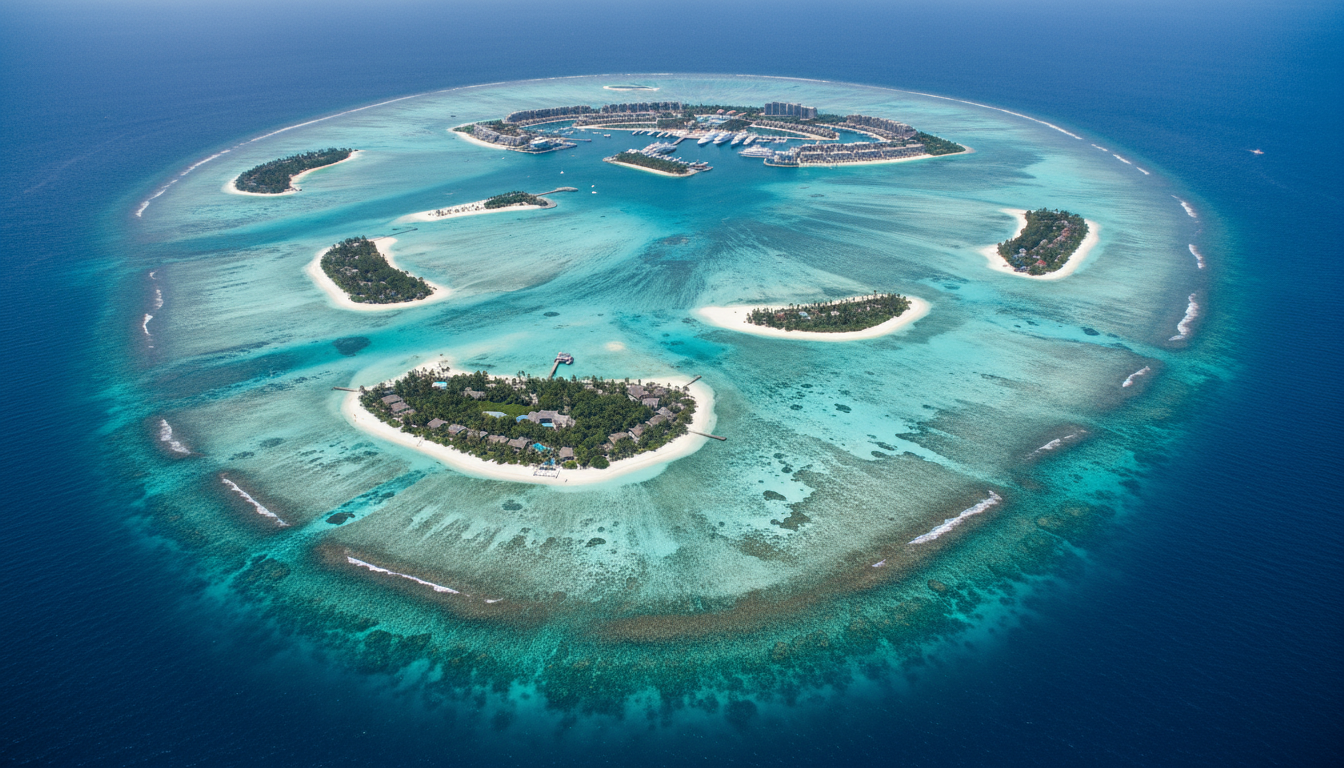
The Maldives have an average elevation of 1.5 meters above sea level. IPCC projections indicate that 80% of the territory will be submerged during high tides by 2100. The country’s response: create new land on the ocean that threatens to swallow the islands.
According to the IPCC and the Maldivian government, the archipelago is investing over US$10 billion by 2050 in climate adaptation.
Therefore, the country is not waiting for the end. It is trying to build its own future on water.
Furthermore, the economic paradox is severe. Tourism accounts for 30% of the national GDP. If reefs degrade and beaches disappear, the main income vanishes before the physical territory.
-
As historic droughts threaten crops and cities, Morocco accelerates a billion-dollar plan to transform ocean water into drinking water, build Africa’s largest desalination plant, and supply millions by 2030.

-
Rare phenomenon in the North Atlantic cools while the planet warms and reignites fear of abrupt climate changes in Europe
-
The most profitable tournament in history may have an invisible climate cost, and the 2026 World Cup is already surrounded by environmental doubts.

-
Underground fungal network spans 110 quadrillion kilometers and reveals an invisible infrastructure larger than previously imagined.
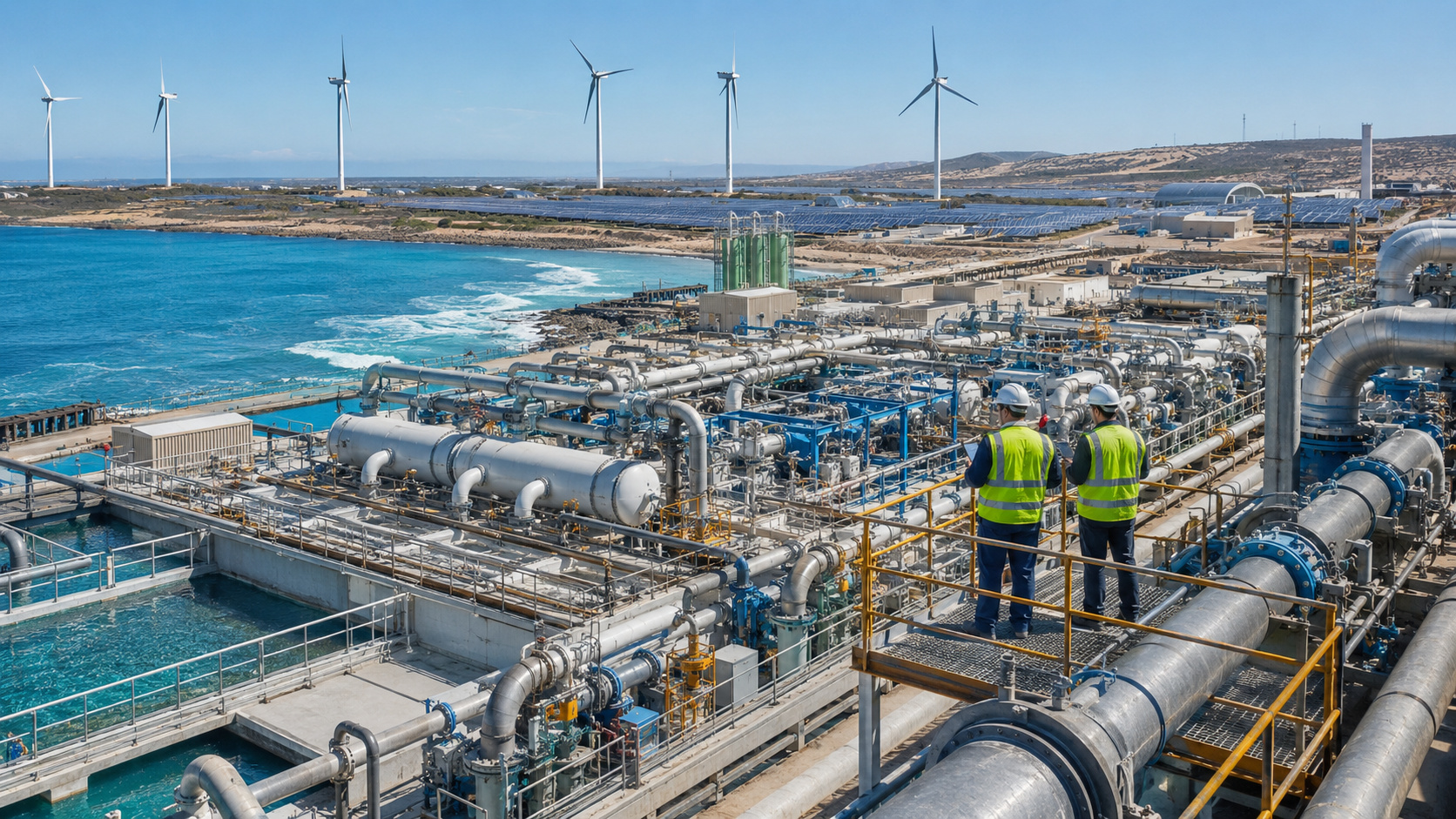
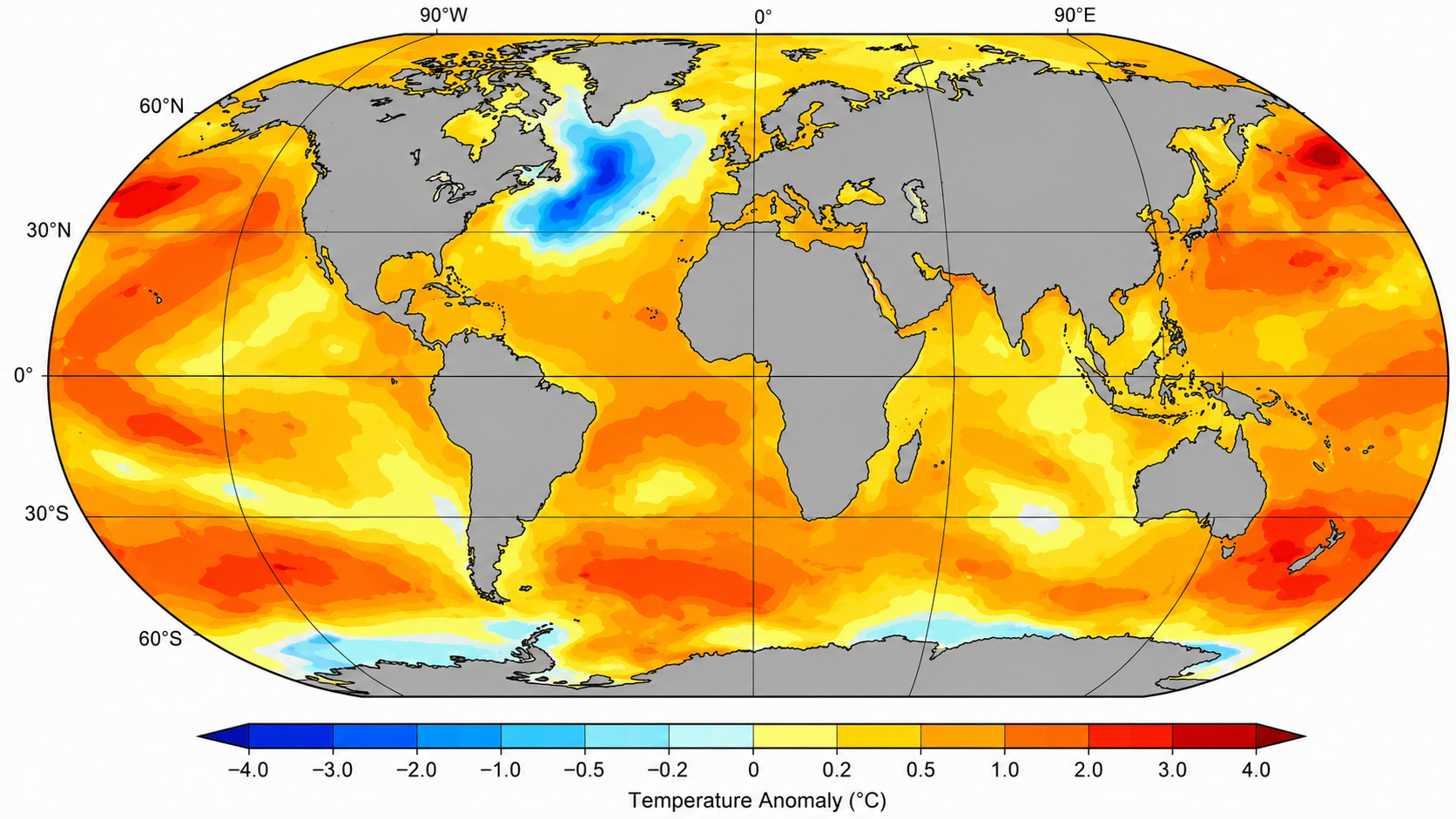


However, engineering is advancing. The Greater Malé Fill Project, started in 2019 and in its final phase in 2026, created 4.5 km² of new land at a cost of US$400 million.
Maldives’ engineering against the ocean

The most emblematic project is Hulhumalé, an artificial island elevated 4 meters above sea level. In 2023, phase 2 was completed with an additional 4 km².
The project was designed to house 100,000 people.
Similarly, the capital Malé is only 5.8 km². Without land reclamation, it would be the most densely populated area in the world with no possibility of territorial expansion.
In other words, the archipelago is at the forefront of climate survival engineering. Each square kilometer created is a gamble on the future against the tide.
- Average elevation: 1.5 meters above sea level
- Territory: 298 km² across 1,190 islands
- Projection until 2100: 80% submerged during high tides
- Hulhumalé phase 2: 4 km² elevated to 4 meters, US$200 million
- Greater Malé Fill: 4.5 km² created, US$400 million
- Adaptation until 2050: US$10 billion — one-third of annual GDP
Tuvalu: the extreme case with 95% submerged by 2100

Tuvalu faces an even more extreme scenario.
With only 26 km² and 11,000 inhabitants, the Pacific nation has seen sea levels rise by 15 cm in three decades, a speed 1.5 times above the global average.
Furthermore, the capital Funafuti lies on a strip of land 20 meters wide in some sections. Therefore, exceptional high tides already flood homes and contaminate the freshwater aquifer with salt.
Consequently, Tuvalu signed the Falepili Union with Australia in November 2023. The agreement guarantees the Tuvaluan people the right to live in the neighboring country, even if Tuvalu physically disappears.
In May 2025, Prime Minister Feleti Teo called at the UN Ocean Conference for a treaty that would “enshrine the legal rights of affected States and peoples, including the continuity of statehood”.
According to the Lowy Institute, Tuvalu’s situation is the most extreme scenario and serves as a reference for dozens of other island nations at similar risk.
According to the report on climate change in Tuvalu, local sea levels are rising 1.5 times faster than the global average, accelerating the risk of permanent flooding in the coming decades.
Therefore, engineering has become the most pragmatic response to a threat that climate treaties have not yet resolved.
In this sense, every meter of land created on the ocean represents a temporary victory and a permanent gamble.
The impossible cost: how much does it cost to survive the ocean
For the archipelago, US$10 billion by 2050 represents one-third of its annual GDP. This is equivalent to an effort proportional to Brazil spending R$2.5 trillion to protect two metropolises from sea encroachment.
Therefore, funding comes from outside. China and India compete for influence in land reclamation projects, creating diplomatic dependence as a byproduct of climate survival.
In comparison, the Netherlands spends 6 billion euros per year on dikes. With 26% of its territory below sea level, the Netherlands is the global benchmark in hydraulic engineering.
Just as the world’s largest artificial river was built in the Sahara Desert, island nations are betting that engineering can win where nature imposes limits.
Sovereignty over the ocean: the unprecedented legal solution
Tuvalu found a creative legal solution. Even if the physical territory disappears, the country plans to maintain its maritime zone of 900,000 km². This includes fishing rights, its main economic resource.
Thus, Tuvalu can exist as a State without dry land, but with a sovereign ocean. The logic is straightforward: sovereignty over the sea is worth more than uninhabitable islands.
Furthermore, the government seeks international recognition that artificial land reclamations are legitimate sovereign territory. Each km² created is an extension of the State, not new property.
The debate highlights a larger issue. The Amazon already emits more carbon than it absorbs, showing that even large ecosystems yield under climate pressure. Smaller islands reach their limit first.
The final paradox: creating land to save a country

The paradox is visible: the country creates artificial land faster than the ocean takes what exists. However, the ocean is accelerating, and the budget is not.
The land reclamations elevated to 4 meters resist IPCC projections for 2100. Still, more pessimistic scenarios place sea levels up to 2 meters above current levels, which would flood the reclamations themselves.
The question the world avoids: who pays for the survival of countries whose emissions are close to zero? The archipelago emits less than 0.01% of global carbon.
Rich countries, which emit the majority, are not the ones that will sink.
Will smaller islands be the first countries to disappear from the map due to causes created by others? And what does this say about the collective responsibility everyone claims to have for the climate?
Still, engineering advances, and perhaps it is the only concrete answer while the political world debates.
Note: data from IPCC AR6 (2021), World Bank (2023-2024), and the archipelago’s government. Projections until 2100 vary by emission scenario and are subject to scientific review.




Be the first to react!