






 Portuguese
  Spanish
  4 min of reading
  0 comments


Brazil destroyed R$ 700 million in illegal miners’ machinery, arrested 67 people in a single operation, and dismantled over a thousand camps in the Amazon — but satellite imagery shows the devastated area grew by another 35,000 hectares in the last year alone.
According to Ibama and MapBiomas, Brazil has intensified operations against illegal mining over the last three years.
However, satellite monitoring reveals that total destruction has already reached 263,000 hectares — and the pace of expansion has not slowed.
The rise in gold prices in 2026 reached record levels in international markets.
-
China could reduce iron ore imports from 80% to 50% of consumption by 2030, while its share in global steel production falls from 52% to 46%, in a shift that could reshape the global market, says CMRG.

-
Brazil is sitting on one of the largest lithium reserves in the world, in the Jequitinhonha Valley, but national mining has almost become an appendage of China: 97% of the metal’s export goes to a single country, which also dominates refining.
-
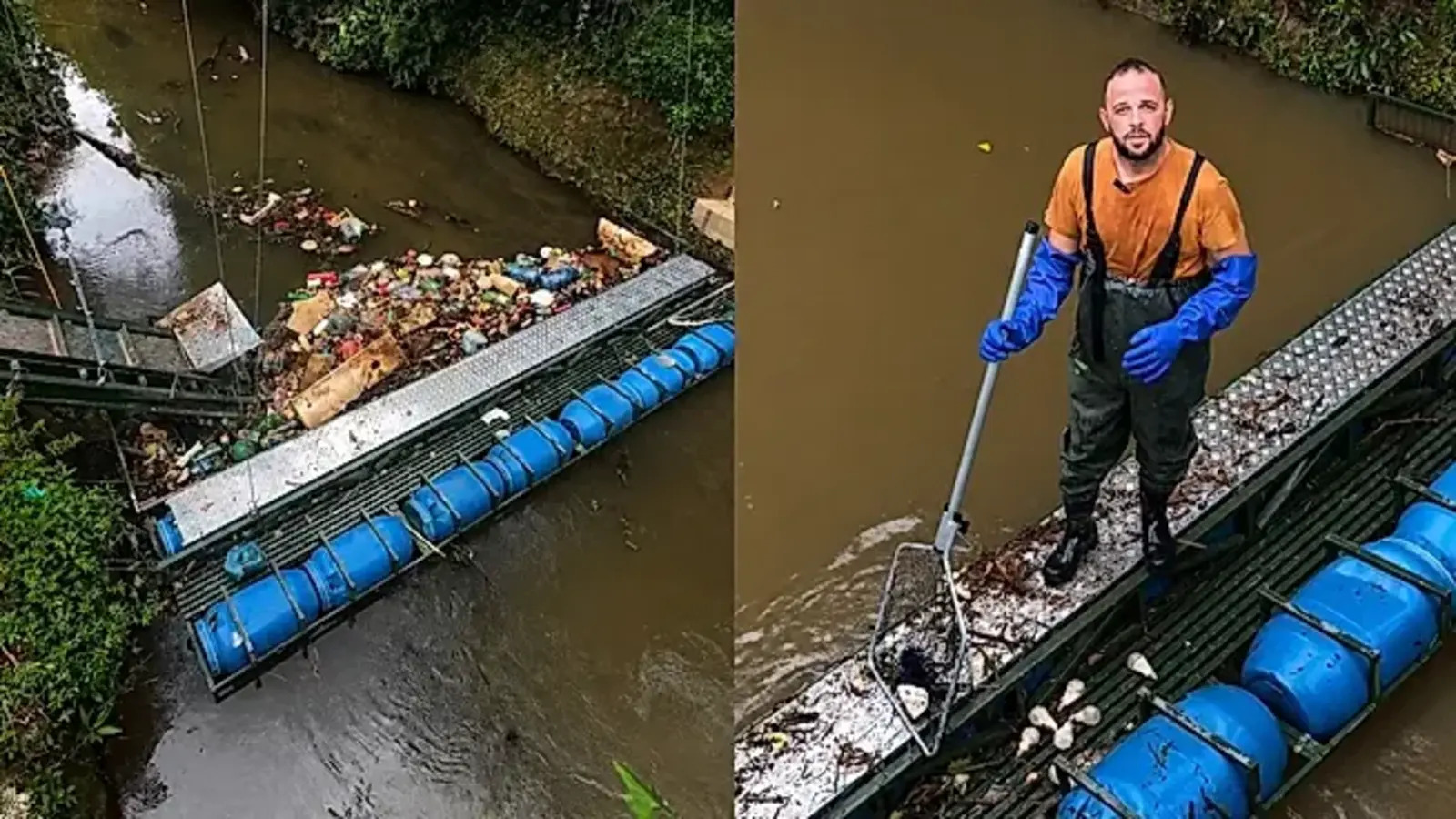
Brazilian promises his children to save a river, creates an eco-barrier in his backyard, has already removed more than 40 tons of trash from the water, and even inspires the idea in other states of the country.

-
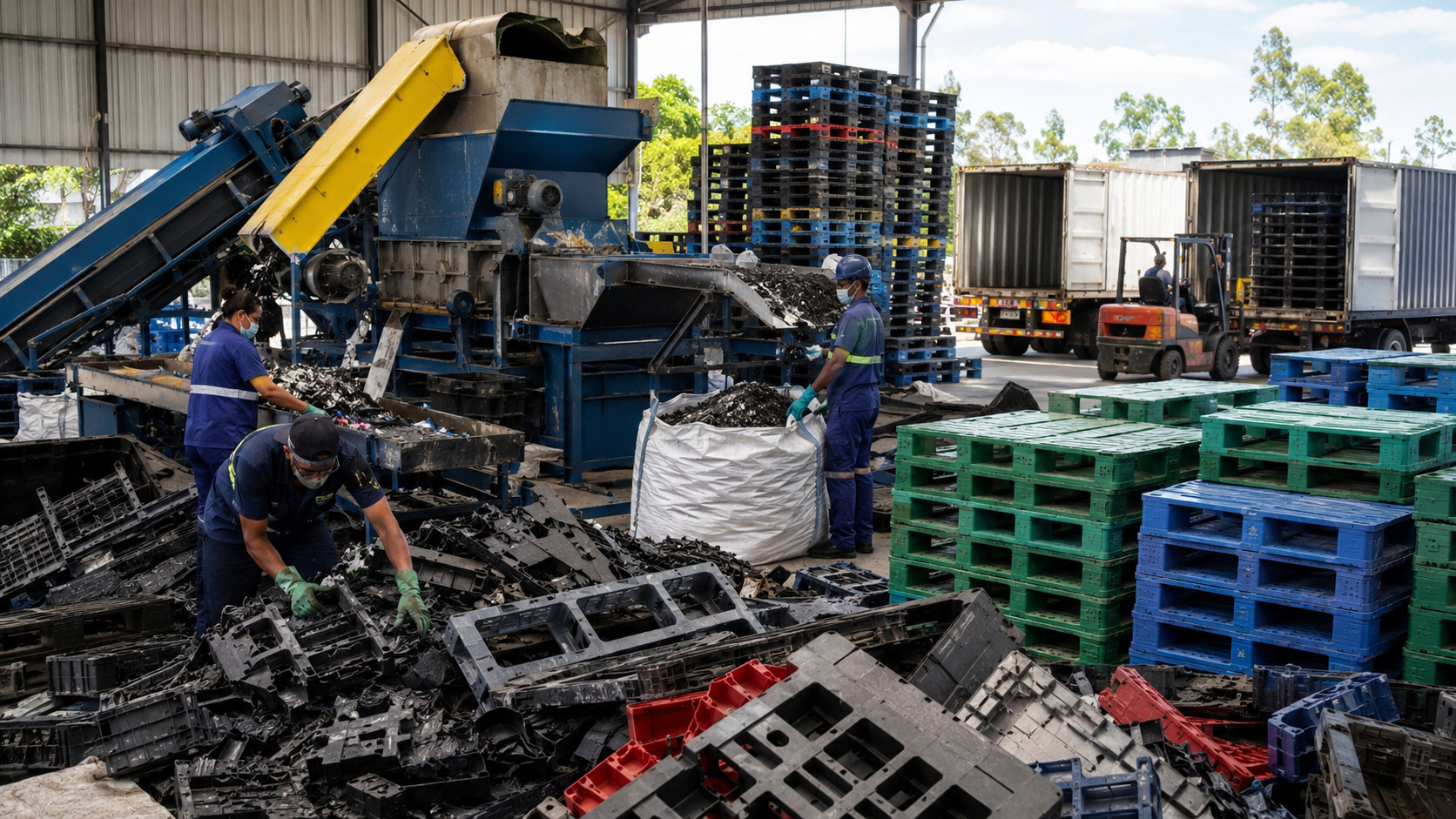
How a Brazilian company created a system that transforms broken pallets of any brand into new assets, recycles 80 tons of plastic per month, and found a profitable solution to a problem that challenges industries across the country.


Therefore, the economic equation of illegal activity became even more unbalanced: the potential profit outweighs the risk of losing machinery or being arrested.
On the other hand, the State’s effort is concrete.
In March 2026, a mega-operation in the Sararé Indigenous Land, in Mato Grosso, resulted in 67 arrests and the destruction of R$ 700 million in heavy equipment.
Despite this, criminal groups return with new machinery within weeks.
The numbers of illegal mining in the Amazon: what the satellite reveals

Data from MapBiomas, a national reference in satellite environmental monitoring, shows a worrying scenario. Illegal mining destroyed 263,000 hectares of forest in Brazil — an area comparable to the sum of several entire municipalities.
Furthermore, growth was accelerated. Between 2018 and 2022, mined areas expanded by 265%. In the same period, 62.3% of all new areas opened by mining were within legally protected territories.
In the last 12 months alone, the advance was another 35,000 hectares.
To give an idea, this is equivalent to the entire territory of Curitiba (PR) being excavated and contaminated with mercury within Amazonian forests and rivers.
- 263,000 hectares destroyed in total accumulated in Brazil
- +265% growth in mined areas between 2018 and 2022
- 35,000 hectares advanced in the last year alone
- 92% of mining concentrated in the Amazon
- 62.3% of areas opened in the last 5 years were in legally protected zones
In other words, the destruction is not random. It specifically targets territories with the highest legal protection and greatest mineral wealth.
According to IBRAM, this has been the historical pattern of illegal mining in Brazil since the 1980s.
The mega-operation in Sararé: 67 arrests and R$ 700 million in destroyed machinery

The Sararé Indigenous Land has 67,000 hectares in Mato Grosso and is inhabited by the Nambikwara ethnic group.
According to G1, the mega-operation in March 2026 resulted in 67 arrests and the dismantling of approximately one thousand camps over three consecutive years of operations.
Consequently, the total value of destroyed equipment reached R$ 700 million. This includes over 500 excavators, dredges, and support structures.
In practice, it is one of the largest seizures in the history of combating illegal mining in the country.
To get an idea of the scale, the 4,200 hectares devastated within Sararé alone are equivalent to over 5,800 football fields of native forest cleared for gold extraction.
The scars left by heavy machinery are visible in low-resolution satellite images.
Therefore, the operational effort was enormous. However, as MapBiomas data shows, every real invested in destroying machinery is quickly recouped by gold profits — especially when the metal is at an all-time high.
Ibama also carried out another large-scale operation in Sararé in October 2025. However, the pattern repeats: criminal groups return months later with new machinery, financed by the appreciation of gold.
Record gold prices as the driver of illegal mining in 2026
Gold reached historical prices in 2026.
Thus, the financial equation of crime became even more attractive: the risk of being arrested or having equipment destroyed is calculated as an operational cost, not a real impediment.
According to G1, the appreciation of the metal boosted the advance of illegal mining into new regions of the Amazon in 2026.
Mato Grosso, Rondônia, Amazonas, and Pará concentrate the main hotspots — but the expansion reaches areas previously considered low-risk.
Furthermore, the financial model of illegal mining has professionalized. Thus, groups with access to capital can reconstitute destroyed operations in weeks, buying new machinery and returning to the same previously inspected areas.
PCC and CV: criminal factions allied with mining in the Amazon

An alarming fact emerges from the 2025 security reports. The PCC and CV are present in 344 municipalities of the Legal Amazon, according to the Brazilian Forum on Public Security (FBSP).
In 2022, this number was 260 municipalities — a growth of 32% in three years.
In this sense, clandestine mining, loggers, and land grabbers form an integrated network. It challenges the State in hard-to-reach territories.
According to ClimaInfo, the factions act as financiers and protectors of the operations, providing logistics, armed security, and channels for gold to flow into the formal market.
The indigenous lands most affected by illegal mining
Illegal extraction targets territories with the greatest mineral wealth, which are frequently demarcated indigenous lands. According to IBRAM, the most affected territories are:
- Kayapó Indigenous Land (PA/MT): 13,700 hectares destroyed
- Munduruku Indigenous Land (PA): 5,500 hectares devastated
- Yanomami Indigenous Land (AM/RR): 3,300 hectares compromised
- Sararé Indigenous Land (MT): 4,200 hectares (Nambikwara ethnic group)
- Tenharim do Igarapé Preto Indigenous Land (AM
Sign upAccess0 Commentsmost recent





Be the first to react!