Portuguese
  Spanish


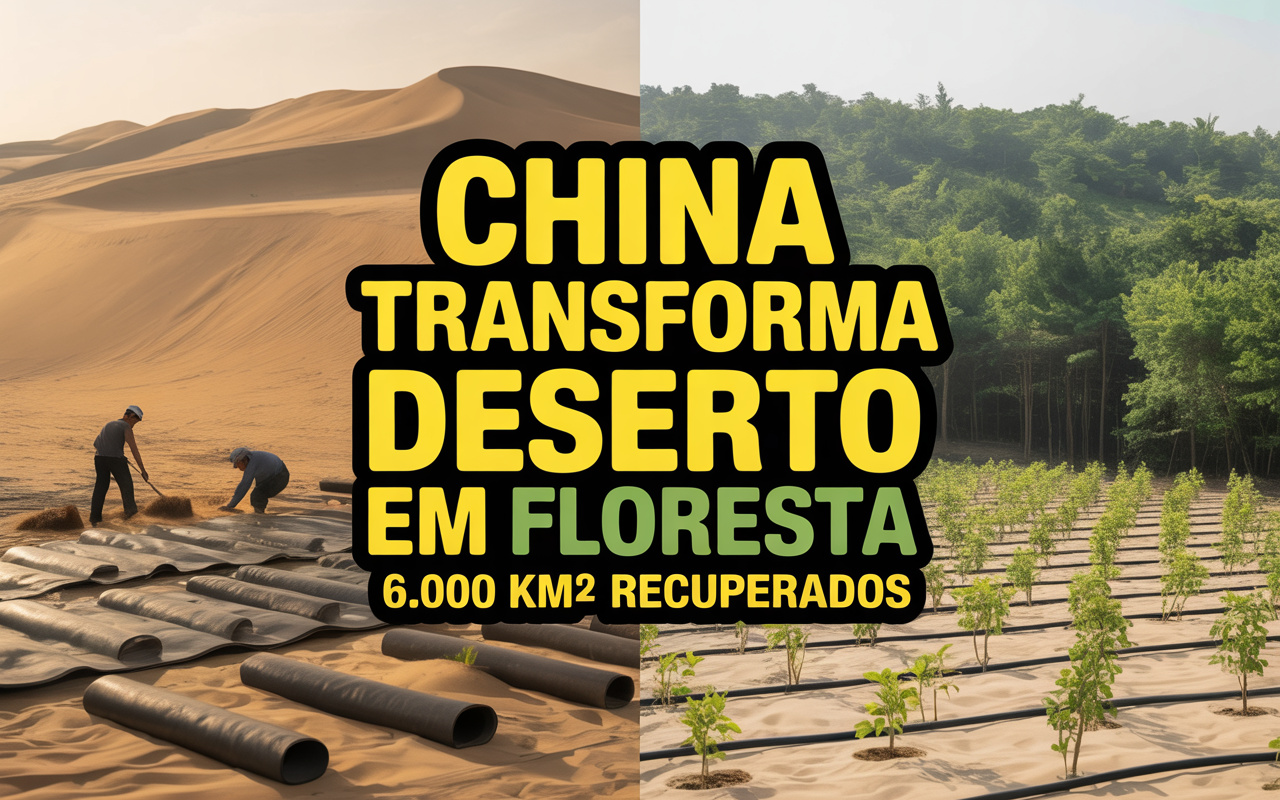


China Uses Ecological Engineering to Stabilize Dunes, Create Microclimates, and Restore Over 6,000 km² of Deserts, Reducing Sandstorms.
The restoration of desert lands has become one of the largest environmental experiments of the 21st century, and no country is investing as much in scale, technology, and ecological engineering as China. In regions such as Kubuqi, Mu Us, and Horqin, areas once marked by moving dunes, winds carrying fine sand, and landscapes considered “hostile to human habitation” have begun to receive interventions that combine biodegradable materials, soil containment engineering, precision agriculture, and tree and shrub species capable of surviving with minimal irrigation.
The central goal is not just to “plant trees,” but to stabilize the soil, create microclimates, reduce sandstorms, restore hydrological cycles, and transform vast regions into functional ecological belts.
The Climatic and Geographical Context of China’s Deserts
China has one of the largest desert frontiers in the world, including the Taklamakan Desert and the Gobi Desert, which together form an arid belt extending for thousands of kilometers.
-
Xiaomi Unveils Smart Pressure Cooker That Cooks Meat Up to 40% Faster

-
Antarctic Mystery: Study Uncovers Over 500 Hidden Earthquakes 150 km Deep, Challenging Traditional Theories
-
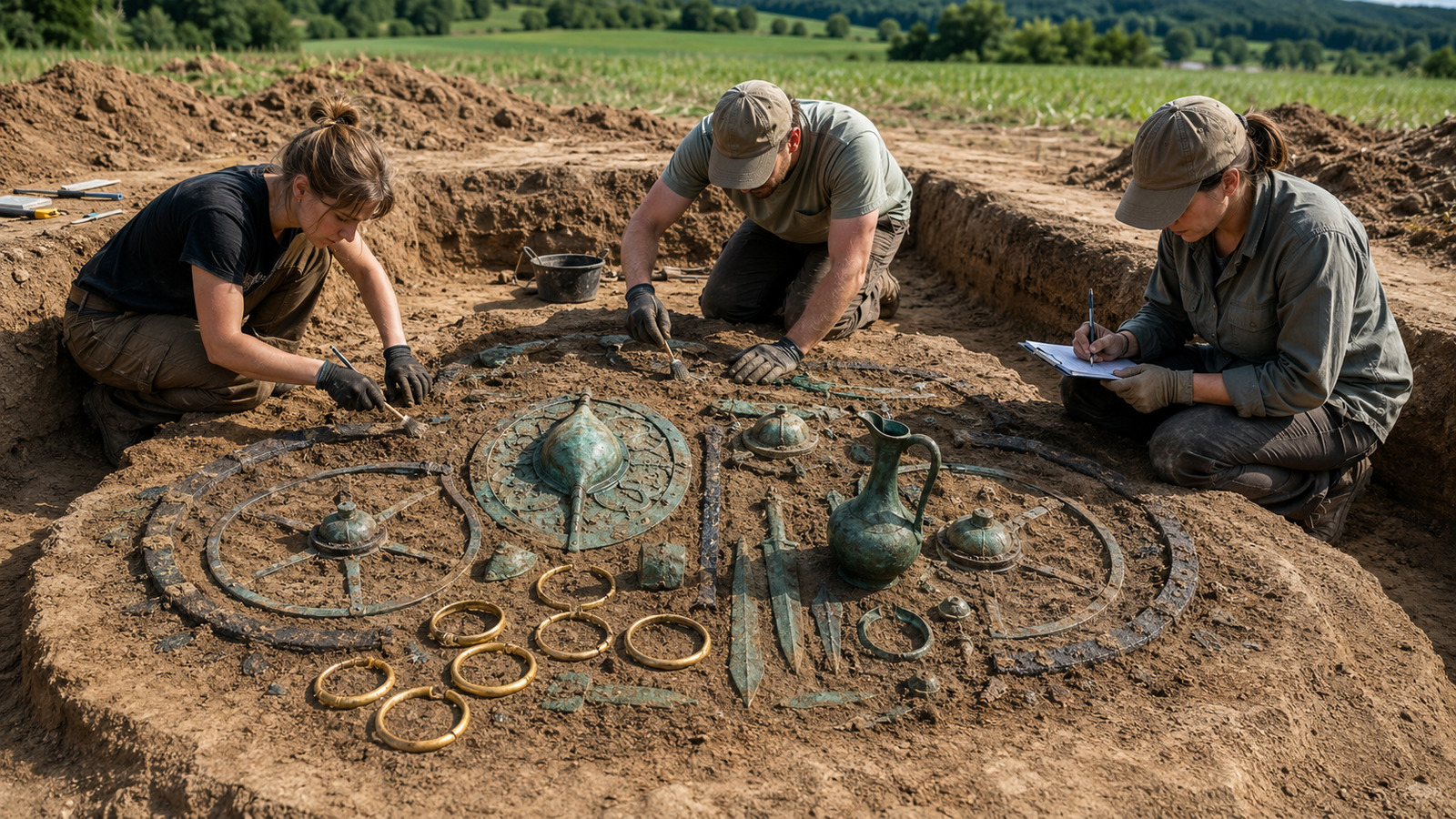
Excavation for Solar Park in Germany Uncovers Rare Celtic “Princely Tomb” with Elite Warrior Buried with Gold, Weapons, Etruscan Jug, and Two-Wheeled Chariot in Bad Camberg

-
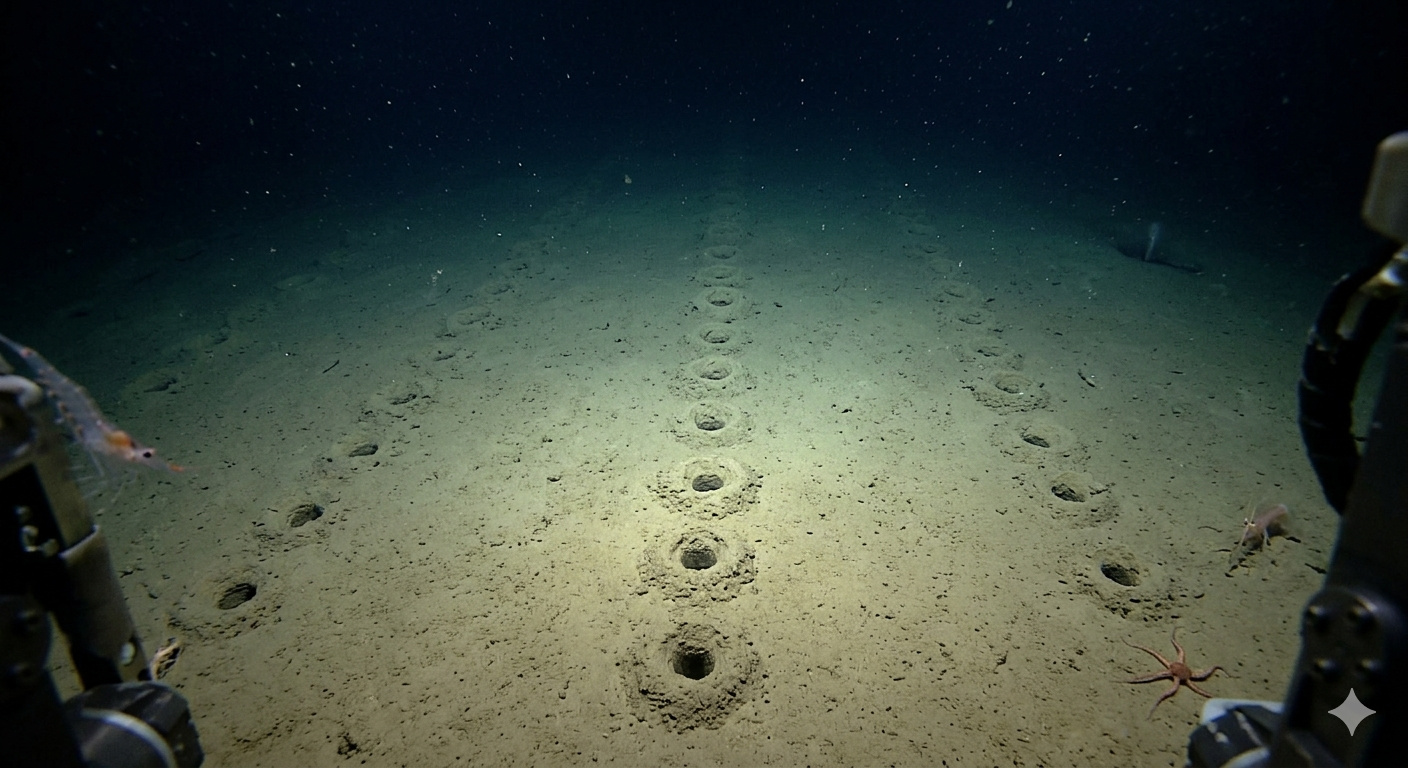
NOAA Scientists Discover Mysterious, Perfectly Aligned Holes on the Mid-Atlantic Ridge Seafloor, Origin Still Unknown


These systems are not homogeneous: there are moving dunes over 100 meters high, semi-arid areas with rainfall less than 200 mm per year, and steppe zones subject to brutal thermal variations that can range from -30°C in winter to over 40°C in summer.
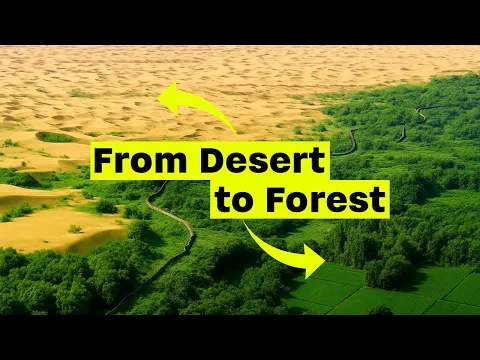

For decades, the combination of overgrazing, deforestation, and climate change has accelerated desertification, producing sandstorms that often reached cities like Beijing.
In the 1990s and early 2000s, atmospheric dust events were so intense that they reached Japan, South Korea, and even the west coast of the United States. During this period, it is estimated that over 400,000 km² suffered from some level of active desertification.
In this context, the Chinese government created a set of national programs, such as the “Three-North Shelterbelt Program” and the “Desertification Prevention and Transformation Program,” that mobilize universities, research institutes, agricultural businesses, engineers, and local communities.
The Ecological Engineering Behind Dune Stabilization

The first step in desert recovery is not planting trees: it is preventing the sand from moving. This is done through techniques inspired by both traditional methods and modern scientific research.
The core technique most adopted is the use of geometric grids over the sand, known as “lattice grids.” Traditionally made with woven straw, these structures create quadrants of 1 meter by 1 meter that reduce wind speed at ground level.
When the wind loses strength, it deposits sand inside the square and stabilizes the dune. This method prevents dunes from “walking” kilometers each year.
In more advanced regions, these grids have been replaced by biodegradable materials and ecological polymers that decompose over months, allowing the soil to take its final shape without leaving residues. In areas like Kubuqi, these grids have been applied continuously to form bands of hundreds of kilometers visible from satellites, creating what many researchers call “desert geo-tailoring.”
The Creation of Microclimates and the Introduction of Resilient Species
With the sand stabilized, the second stage emerges: the planting of vegetation capable of surviving severe drought. The Chinese recovery does not only use trees, but a gradient of species that includes shrubs, grasses, halophytes, and plants with extremely deep roots, such as Salix psammophila, resistant to wind and heat, and Haloxylon ammodendron, famous for withstanding years of drought.

These species are strategic because they create shade, reduce soil evaporation, promote water infiltration, and help initiate the cycle of organic matter when leaves and branches decompose.
In many cases, desert soil starts with less than 0.3% organic carbon, and within two decades it can exceed 1%, enough to support complementary flora.
Another crucial aspect is the creation of “vegetation islands,” an ecological restoration technique that distributes plantings in patches rather than large blocks, mimicking the logic of natural colonization and reducing seedling mortality.
Minimal Irrigation and Experimental Agriculture in Extreme Conditions
Water has always been the bottleneck in deserts, and what made the Chinese program viable was the implementation of localized irrigation and minimum consumption experimental agriculture.
Buried drip systems, soil sensors, and micro-sprinklers activated only by climatic parameters allow small amounts of water to keep seedlings alive that would die within weeks without intervention.
In some regions, tests with hybrid varieties of carob, peach, apple, and even grapevines show that previously barren areas can produce commercial crops due to high sunlight and low risk of fungi. Additionally, mycorrhizae and nitrogen-fixing bacteria are increasingly integrated into the process to enhance the biological fertility of the soil.
From Sand to Economic Corridor: The Concrete Case of Kubuqi
The Kubuqi Desert, in Inner Mongolia, has become the world’s main case study in desert recovery. In four decades, over 6,000 km² have been transformed through its three fundamental stages: stabilization, revegetation, and economic development.
The result was the creation of a continuous ecological corridor that not only reduced sandstorms but also allowed the emergence of agricultural frontiers, low-intensity pastures, and tourism sectors based on ecotourism.
This case gained international prominence because it demonstrated that restoration with economic use can be self-sustaining. Today, solar parks, medicinal herb farms, beekeeping, and desert tourism coexist with forested areas and green belts.
The Climatic and Geostrategic Impacts of This Type of Intervention
The effects go far beyond local ecology. The reduction of sandstorms decreases atmospheric particulate matter, improves respiratory health in distant cities, and reduces agricultural losses.
Carbon fixation in the soil increases at a landscape scale and contributes to neutrality goals. Environmentally, China transforms a regional problem into a vector for applied research with global scientific impact.
In a scenario where African, Arab, and Asian countries face increasing desertification, the Chinese model is becoming exported in consulting and cooperation, especially in countries with semi-arid borders.