






 Portuguese
  Spanish


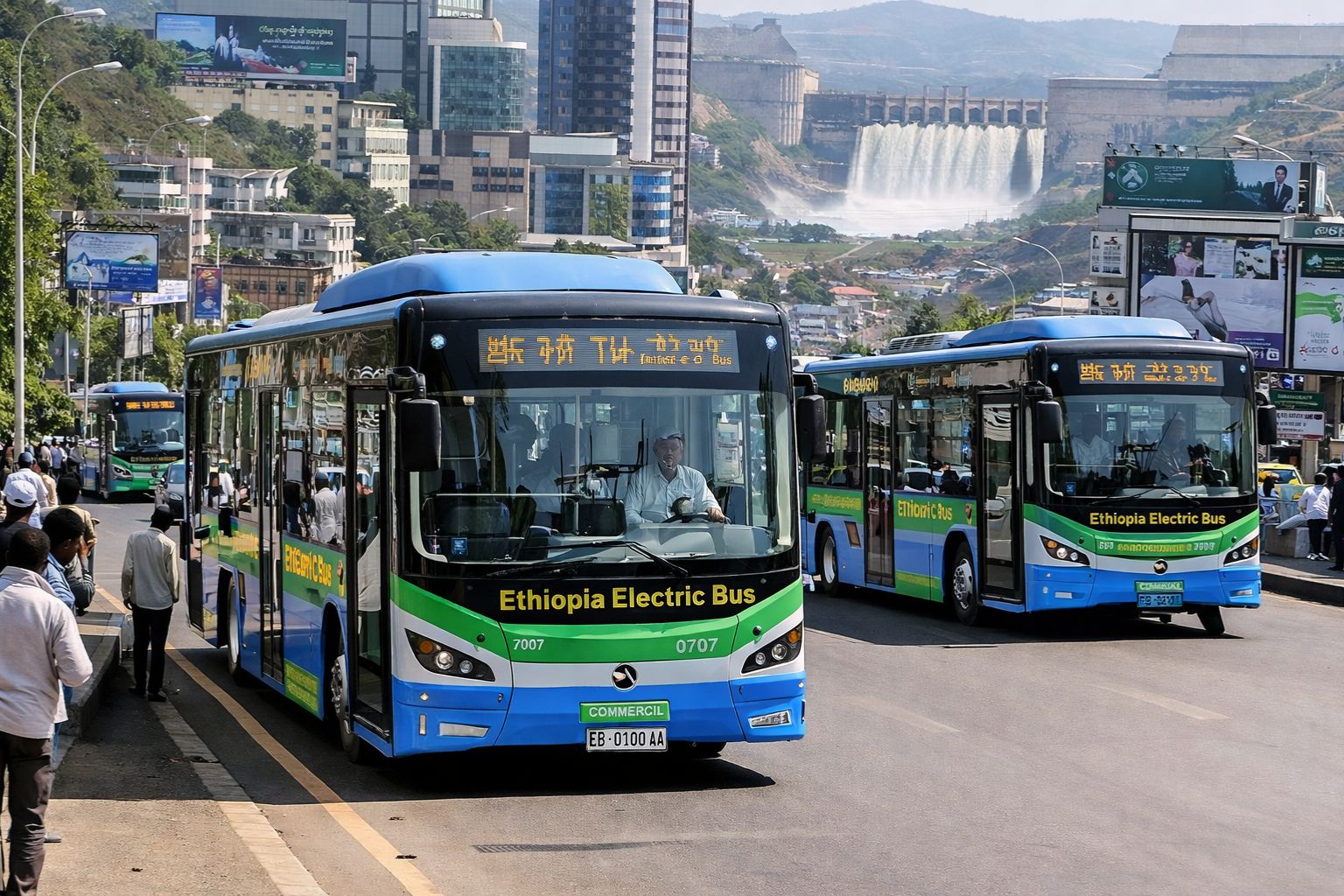


Ethiopia prohibited the importation of gasoline and diesel cars in 2024 and quadrupled its fleet of electric vehicles in two years, from 30 thousand to almost 120 thousand units. More than 100 electric buses operate in Addis Ababa transporting 90 thousand passengers per day. The country aims for 500 thousand electric vehicles by 2030, powered by the Grand Renaissance Dam, which doubled the country’s electricity production.
The Ethiopia made a decision that no major world economy had the courage to make: it prohibited the importation of gasoline and diesel cars. In 2024, the government decided that the future of transportation in the country would be electric, and the numbers show that the bet is working. Two years ago, Ethiopia had about 30 thousand electric vehicles on the roads. Today, there are almost four times more, and the country operates more than 100 silent electric buses in Addis Ababa that transport over 90 thousand passengers per day. The goal is to reach half a million electric vehicles by 2030, and what makes this ambition viable is something that most countries do not have: over 97% of Ethiopia’s electricity comes from hydropower, a clean and cheap source.
The centerpiece of this transformation is the Grand Ethiopian Renaissance Dam, the largest dam in Africa, which began operations in 2025 with a capacity of 5,150 megawatts. The dam doubled Ethiopia’s electricity production and made it economically viable to power an entire fleet of electric vehicles with renewable energy, differentiating the country from nations that adopt electric cars but recharge their batteries with electricity generated from fossil fuels. For Ethiopia, the electric vehicle is not just a green trend: it is an economic necessity. The country spends almost 4 billion euros a year on oil imports, money it cannot afford to spend.
Why Ethiopia prohibited gasoline cars and invested in electrics

According to information from the channel DW Rev, the decision to prohibit the importation of combustion vehicles was not ideological, it was mathematical. Ethiopia spends almost 4 billion euros annually importing oil, an amount that consumes foreign currency reserves that the country desperately needs for other essential imports. The war in Iran and the consequent rise in oil prices confirmed the wisdom of the decision: while countries dependent on fossil fuels face record prices at the pump, Ethiopia recharges its vehicles with hydropower at costs that have not been affected.
-
She spent 73 years breathing inside an iron lung, survived the aftereffects of polio, and became the last woman in the United States dependent on the equipment before dying at 78 years old.

-
Brazilian students created a $1 filter using pine bark, cotton, and 3D-printed parts to clean cassava wastewater, reduce the toxicity of a hazardous waste, and transform contaminated water into biofertilizer.

-
Astronaut from Artemis II steps down after mission to the Moon and decision surprises after a record of 406,771 km, a historic 10-day journey, and an unprecedented achievement for Canada.

-
A fossil kept for years in a small museum in Montreal concealed 450-million-year-old soft tissue, a discovery that has only happened once before in history.


Taxi driver Abdurahman Ali experienced the transition firsthand. Before swapping his gasoline Toyota Vitz for an electric car, he spent 40,000 to 50,000 birr a month on fuel. Since switching to electric and charging at home, his monthly costs have dropped to around 5,000 birr, a reduction of nearly 90% that illustrates why drivers in Ethiopia are embracing electrification even without direct government incentives. For those with low incomes, savings on fuel is the most convincing argument there is.
The Silent Electric Buses That Transformed Addis Ababa

More than 100 electric buses have been operating in Addis Ababa for a year, and the impact on Africa’s fastest-growing city is visible and audible. The vehicles emit no exhaust fumes and do not make the noise of diesel engines, creating what passengers describe as “an oasis of tranquility” in the chaotic traffic of the Ethiopian capital. Driver Shashe Asemare, who drives one of the electric buses, confirms: “These buses are very different from the gasoline models.”
Passengers in Ethiopia approve of the change. “They are very comfortable to travel in. They are also better because they do not pollute the air. This is a step forward for our country”, said a passenger to DW’s report. Transporting over 90,000 people a day with virtually no climate impact, the electric buses of Addis Ababa demonstrate that public transport electrification works in cities of emerging countries, not just in European capitals with billion-dollar budgets.
The Grand Renaissance Dam That Powers Ethiopia’s Vehicles

What makes Ethiopia’s bet on electric vehicles fundamentally different from most countries is the energy source. More than 97% of the country’s electricity comes from hydropower, and the Grand Ethiopian Renaissance Dam, which began operations in 2025, has a capacity of 5,150 megawatts, doubling national electricity production. This means that every electric car, bus, or minibus operating in Ethiopia is powered by genuinely clean energy, without the indirect emissions that occur when electric vehicles are charged with electricity generated from coal or gas.
This distinction is crucial for the climate debate. In countries where the electricity matrix relies on fossil fuels, electric vehicles reduce local emissions but continue to generate carbon indirectly at the power plant. In Ethiopia, the carbon footprint of electric transport is virtually zero, making the country one of the few in the world where the environmental promise of electric vehicles is fully realized. The dam not only powers the cars: it economically enables the entire energy transition strategy of Ethiopia.
The challenges that Ethiopia faces in transport electrification
The ambition is huge, but the obstacles are too. Ethiopia has only about 500 charging stations, almost all concentrated in Addis Ababa, which severely limits the use of electric vehicles outside the capital. For drivers who need to travel between cities, the lack of charging infrastructure makes electric cars impractical. “The government should invest more in this sector. The number of stations is not enough,” the operators themselves acknowledge.
The problems go beyond infrastructure. More than 63 million Ethiopians, 46% of the population, still live without electricity, a paradox in a country that wants 500,000 electric vehicles on the streets. Small electric cars cost from 17,000 euros in a country where many earn less than 1,000 euros a year. The scarcity of foreign currency, the same problem that led to the ban on combustion cars, also affects local electric vehicle factories that rely on parts imported from China and can only produce 500 units per year.
The electric future of Ethiopia and the lesson for the rest of the world
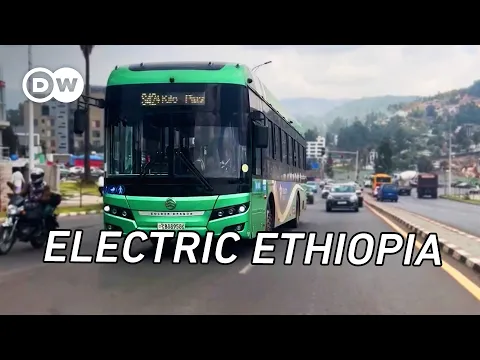

Despite the challenges, the trend in Ethiopia is irreversible. Private operators like Ezekiyas Dufera are filling the infrastructure gap with 24-hour charging stations, and 17 factories are already assembling electric vehicles in the country, including minibuses that are the backbone of public transport in Addis Ababa. Ethiopia has an advantage that few countries share: since it still has relatively few vehicles on the roads, it can leap directly into electric mobility without needing to replace a gigantic fleet of combustion vehicles.
The lesson from Ethiopia for the world is that the energy transition in transport does not require being rich; it requires courage and natural resources. With abundant hydroelectric power and the political will to ban fossil vehicle imports, Ethiopia is building a model of electric mobility that much wealthier countries still hesitate to adopt. The silent buses of Addis Ababa, the taxi drivers who have cut fuel costs by 90%, and the dam that powers all this prove that the electric future does not need to wait for the first world to arrive first.
Ethiopia has banned gasoline cars, put electric buses on the streets, and wants 500,000 electric vehicles by 2030. Do you think Brazil should follow this example? Leave your opinion in the comments.








Great news on electric cars, like bikes and cars in Kenya, this will give Eastern Africa region Go Green with decent environment
Its..good infrastructure .keep it up…lam..interst bus where is place in ethiopia..
Ethiopia need to be colonized by Egypt