






 Portuguese
  Spanish


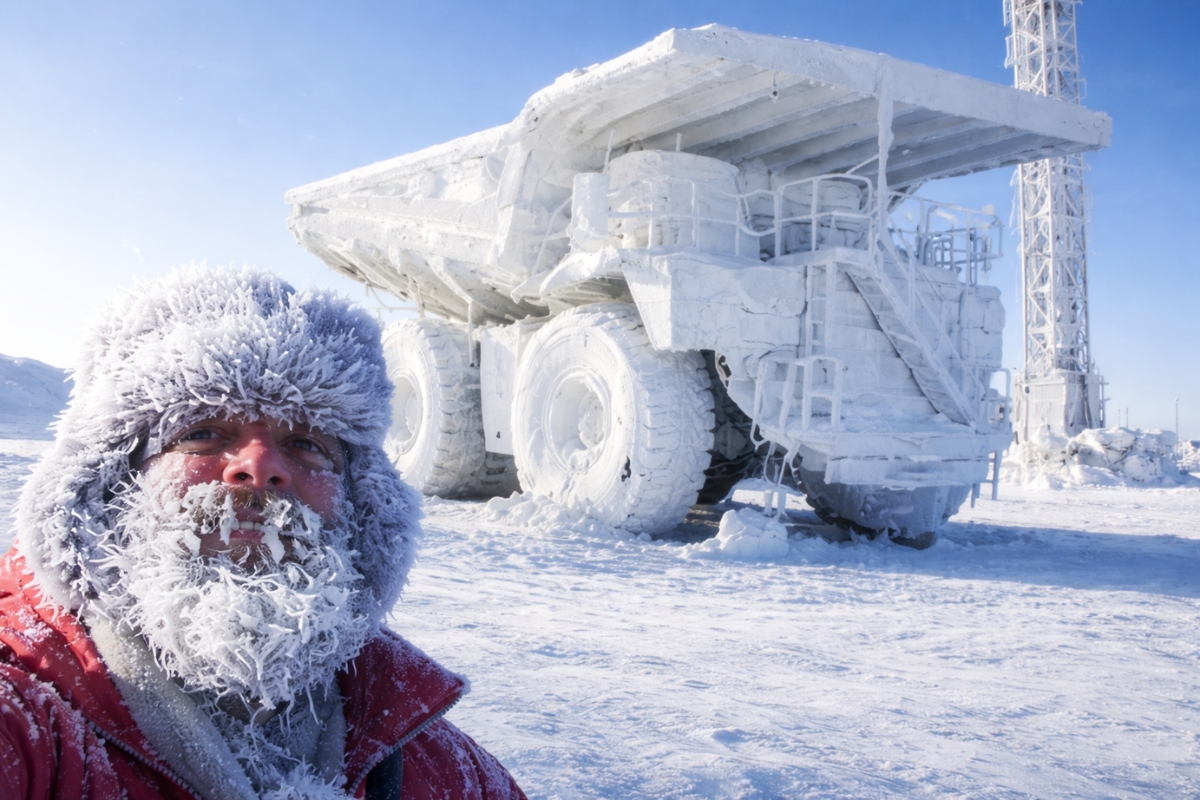


At −89 °C, Exposed Skin Freezes in Seconds, Ice Crystals Damage Cells, and Hypothermia Sets In Quickly, Explaining Why One Can Only Survive in Vostok with Strict Protocols, Technical Clothing, and Minimal Outdoor Exposure
On July 21, 1983, a temperature of −89.2 °C was recorded at the Russian Vostok Station in East Antarctica, considered for decades the lowest air temperature recorded on the Earth’s surface using standard meteorological instruments. This mark occurred in the middle of the austral winter, when the region is in near-total darkness and isolated by a strong polar vortex.
Vostok is located about 3,488 meters above sea level, over a thick layer of ice in the interior of the Antarctic continent, one of the coldest, driest, and most remote areas on the planet. The combination of high altitude, a highly reflective ice surface, and extremely dry air favors intense heat loss to space.
How Is Such Extreme Cold Explained
To reach −89.2 °C, several very specific meteorological conditions occurred. Among the main factors are:
-
World’s Largest Particle Accelerator Begins Four-Year Hiatus for Magnet Overhaul, Aiming to Hunt Dark Matter by 2030

-
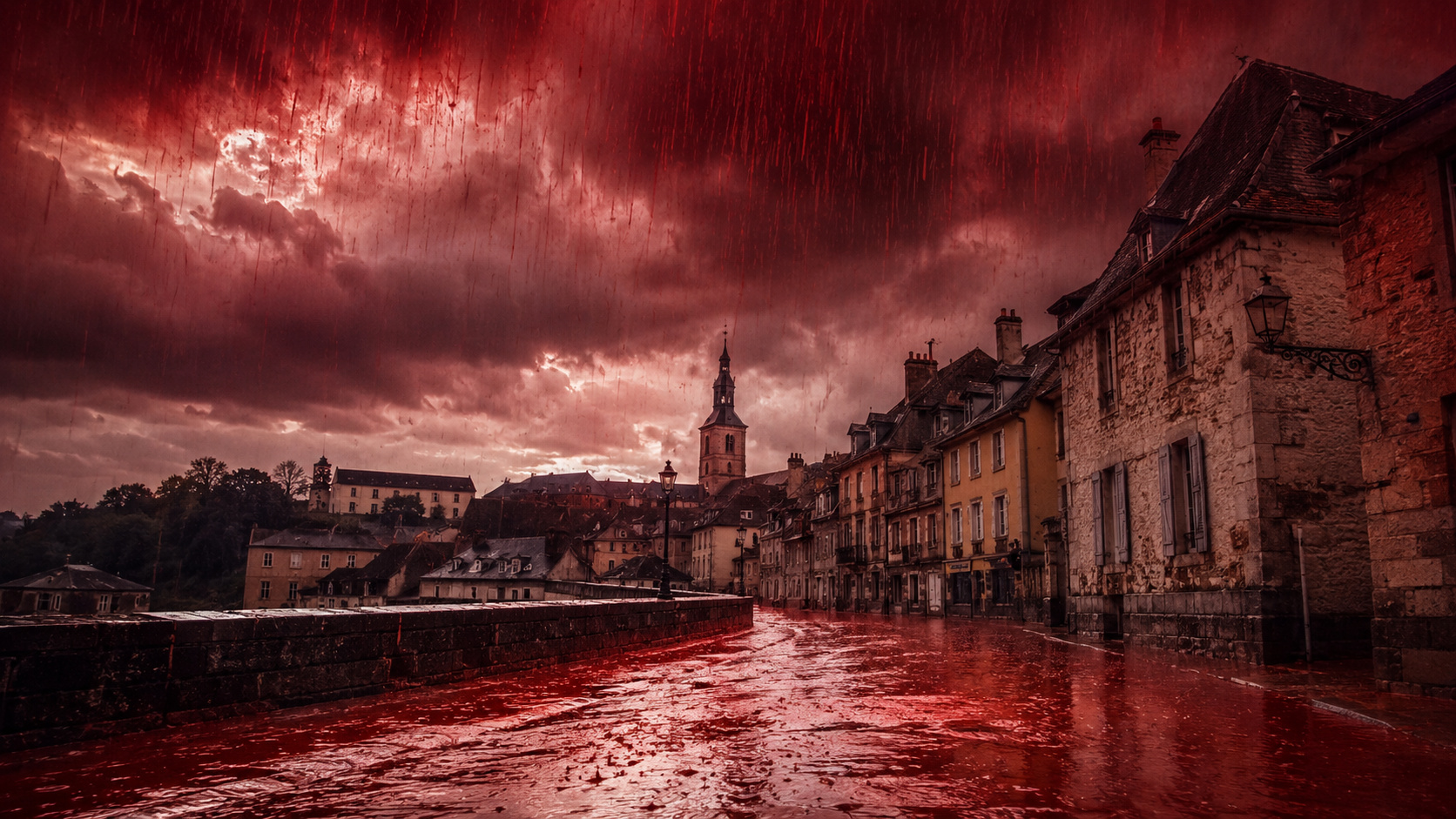
“Sahara Dust Turns Rain Red, Startling Residents Across Europe”
-
Stanford Scientists Develop 20-Cent Paper Centrifuge Inspired by Ancient Toy, Spins at 125,000 RPM Without Electricity, Separates Plasma in 1.5 Minutes, Aiding Diagnostics in Remote Areas

-
World’s Largest Vaccine Manufacturer, Immunizing Two-Thirds of Global Infants, Originated in a Pune Horse Farm




- A completely clear sky for several days, allowing the ice to emit heat to space without receiving almost any radiation back.
- Very dry air, which reduces the local greenhouse effect and facilitates the escape of infrared radiation.
- Very weak winds, which prevent the entry of “less cold” air from other areas and allow extremely cold air to accumulate in low-lying areas.
- The altitude of the Eastern Antarctic Plateau itself, where the air is thinner and cools more.
Under these conditions, the layer of air near the surface of the snow can cool several degrees below the surrounding air mass, creating a kind of “pocket” of extreme cold. For this reason, scientists describe the Antarctic Plateau as one of the most hostile regions on Earth, comparable in some aspects to the surface of Mars or icy moons like Europa.

Is It Still the Absolute Record?
Today, it is important to distinguish between “official surface record” and “satellite estimated minima.” The World Meteorological Organization and other institutions continue to recognize the −89.2 °C from Vostok as the record for the lowest directly measured air temperature with thermometers about 2 meters above the ground at a weather station.
However, later analyses of satellite data have detected even lower surface temperatures in small depressions of the East Antarctic ice layer. Studies over the last decade show that, on extremely clear and calm winter nights, the surface of the snow can reach about −93 to −98 °C, with inferred air temperatures close to −94 °C.
These measurements are made with thermal infrared sensors from satellites, which is why they are considered a different type of record, complementary to that of Vostok.
In summary, Vostok holds the official record for the lowest air temperature directly recorded at a station, while satellite studies indicate that the frozen surface can cool several degrees more in certain points of the Antarctic Plateau.
The Vostok Station and Its Surroundings
The Vostok Station was established by the Soviet Union on December 16, 1957, and since the mid-1990s, it has operated as a scientific base shared with the participation of Russia, the United States, and France.
It is located above Lake Vostok, a huge subglacial lake more than 480 meters deep, covered by about 4 kilometers of ice and estimated to be between 2 and 15 million years old.
The interior of Antarctica is covered in 95% by an ice layer with an average thickness of over 2,000 meters, reaching almost 5,000 meters in its thickest areas. This mass of ice raises the continent and creates a cold, elevated “massif,” where winter air temperatures inside can typically range between −40 °C and −70 °C, even without reaching the extremes of Vostok.
What Would Happen to the Human Body at −89 °C
Although there are scientific and technical personnel in Vostok, nobody is exposed without protection to these temperatures; isolated buildings, extremely technical clothing, and strict safety protocols are used.
Still, it is interesting to imagine what would happen to an unprotected person in an environment close to −89 °C:
- Exposed skin would begin to freeze in seconds, not minutes, due to the enormous thermal gradient between the body (around 37 °C) and the environment.
- When tissue temperatures fall below approximately −2 °C, ice crystals form inside and outside the cells, causing protein denaturation, membrane rupture, and alteration of local blood circulation.
- Frostbite affects fingers, nose, ears, and cheeks first, with numbness, tingling, skin color change, and loss of sensitivity.
- In more severe cases, deep frostbite occurs, with irreversible tissue damage, risk of gangrene, and possible amputations.
Meanwhile, the body enters hypothermia, as it loses heat much faster than it can produce it, affecting the brain, heart, and other vital organs, leading to confusion, loss of coordination, drowsiness, and eventually cardiac arrest.
Scientific and Climatic Importance of This Record
The record of −89.2 °C and even lower values detected by satellite are not just extreme curiosities. They provide fundamental information about climate and the Earth system:
- They help understand how much the atmosphere can cool under natural conditions, validating climate models.
- They allow the study of energy exchanges between the ice surface, the atmosphere, and space.
- They serve as a natural laboratory to test equipment, materials, and technologies under extreme conditions.
- They contribute to the study of subglacial lakes, such as Lake Vostok, which may harbor life forms adapted to extreme cold and darkness.
Furthermore, the contrast between these cold records in the interior of Antarctica and heat records in other regions of the planet helps understand the complexity of climate change: the same planet can show opposite extremes at the same time.


A Antártida não é no sul?
Até quando vamos ver isso?
O descaso da humanidade com o aquecimento global, o mundo cada vez mais quente! Temos que acabar com a emissão de gases estufa, acaba4 com o arroto do ****! Salvar o planeta da raça humana destroidora! Essaa temperatura extremas vão ser o nosso fim! temos que ABAIXAR a temperatura do mundo o quanto antes! A temperatura mais alta no mundo foi registrada no Death Valley em 10 de julho de 1913, e desde então vem ALMENTANDO cada vez mais segundo especialistas, e agora essa temperatura extrema. Temos que abaixar a temperatura do mundo!
Bla bla bla mesmos argumentos dos disseminadores de enganos, o **** das vacas efeito estufas Nascentes e microclimas bla bla bla e bla bla…
Somos manipulados tão facilmente que estamos perdendo a proprioa identidsde, as pessoas não conseguem mais raciocinar, apenas aceitam e submetem as narrativas fornecidas pelos meios de desinformações existentes.
Qual seria a Sugestão???
Pagar dividendos e royaltes para estes que disseminam essas verdades ???
Não vamos falar de teorias, mas de fatos como estão muito bem esclarecidos na agenda mundial…
Redução populcional a começar pelos que fazem parte da degradação eitca moral e sanidade mental dessa geracao hibridizada, os que são violentos sem causas aos lunáticos e principalmente aos que detém a maldade em suas mentes e seus corações por natureza.
Infelizmente hoje somos uns contra os outros dividir pra conquistar e todas as tomeorias implantadas pelos Socialismo e Comunismo, há muito onquenser dito para que possamos despertar os incautos de sua ignorância e preguiça de raciocínio infelizmente.
Me desculpe por algumas discordâncias de opinião visão e percepção das circunstâncias relatadas.
Importantíssima matéria…