






 Portuguese
  Spanish


The Serum Institute of India was born from a stud farm in Pune, started by extracting horse serum and became the largest supplier of cheap vaccines on the planet, present in about 170 countries
Few companies decide the fate of so many people without almost anyone knowing their name. The largest vaccine manufacturer in the world is not located in the United States or Europe: it is in Pune, India, and started within a racehorse farm back in the 1960s. Two out of every three babies born on the planet have already received at least one dose produced by it.
According to the Serum Institute, the company is the largest “in number of doses produced and sold globally” and delivers more than 1.5 billion doses per year. About 65% of the world’s children, spread across approximately 170 countries, have already been immunized at least once with one of its products, reports the same official source. All this at prices that other manufacturers don’t even try to reach.
How a family of horses became the largest vaccine manufacturer in the world
The story is so unlikely that it seems invented. The Poonawalla family owned the largest thoroughbred horse stud farm in India, the Poonawalla Stud Farms, established in 1946 to race on the tracks of Mumbai and Pune. Racehorses, not medicine vials, were the business of the house.
-
Scientists Discover Mars Had Complex Deep Magma Systems Similar to Earth’s Despite Lack of Tectonic Plates

-
Accidental Discovery of Stretchable Plastic Leads to Waterproof Membrane for Mountaineers and Artery Grafts

-
China’s “Great Green Wall” of 66 Billion Trees Grows 66% Faster Than Natural Forests, but Scientists Warn Rapid Growth May Not Last

-
China to Launch World’s First Industrial-Scale Solid-State Battery in 2026, Doubling Energy Storage of Current Electric Car Batteries


The curious detail is that the retired animals from the stud farm were donated to a public institution that used the serum from the horses’ blood to produce antidotes. That’s when young Cyrus Poonawalla had the idea: if the family’s animals were already used to make serum, why not produce immunizations on an industrial scale right there, within the farm itself?
From the stud farm to the antidote: the unlikely origin in 1966
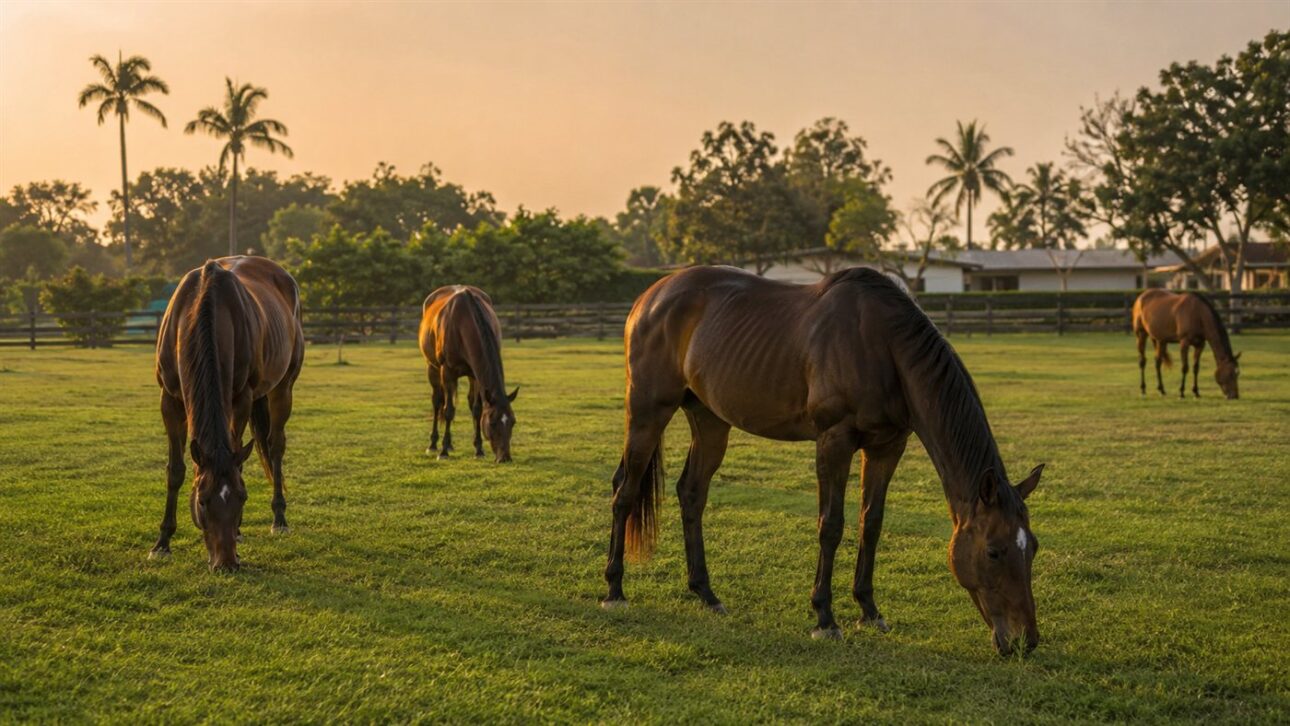
The horse breeder founded the company in 1966 and set up a small laboratory in a corner of his own farm. The official page confirms that the company “was founded in 1966 by Dr. Cyrus Poonawalla.” The first product came out soon after: an antitoxin against tetanus, made precisely from horse serum, and the country “became self-sufficient in tetanus antitoxin.”
The logic behind the bet was simple and bold. India imported vaccines that were too expensive for such a populous and poor country. Producing good and cheap vaccines at home was not just business, it was a matter of public health on a continental scale. The company claims to produce its vaccines “at prices affordable to the common man and in abundance,” and what started as a small scientific endeavor in a stud farm turned into, in a few decades, the largest vaccine production operation ever seen.
Two out of three babies in the world have already received a dose of it
The reach of the company is the most impressive fact. According to Forbes India, “more than 65% of the world’s children, spread across about 170 countries, have received at least once a vaccine manufactured” by the company. The publication also defines it as the largest on the planet “in number of doses produced and sold globally.”
This means that measles, polio, tetanus, diphtheria, and other diseases that have killed millions have been stopped, in much of the world, with vials that came from Pune. The company became an invisible cog in global health, the kind of business that saves lives silently, without advertising, without a recognizable brand in the consumer’s pocket. The massive production volume lowered prices and expanded access where there was once a lack of everything.
More than 1.5 billion doses per year and a price that changes everything
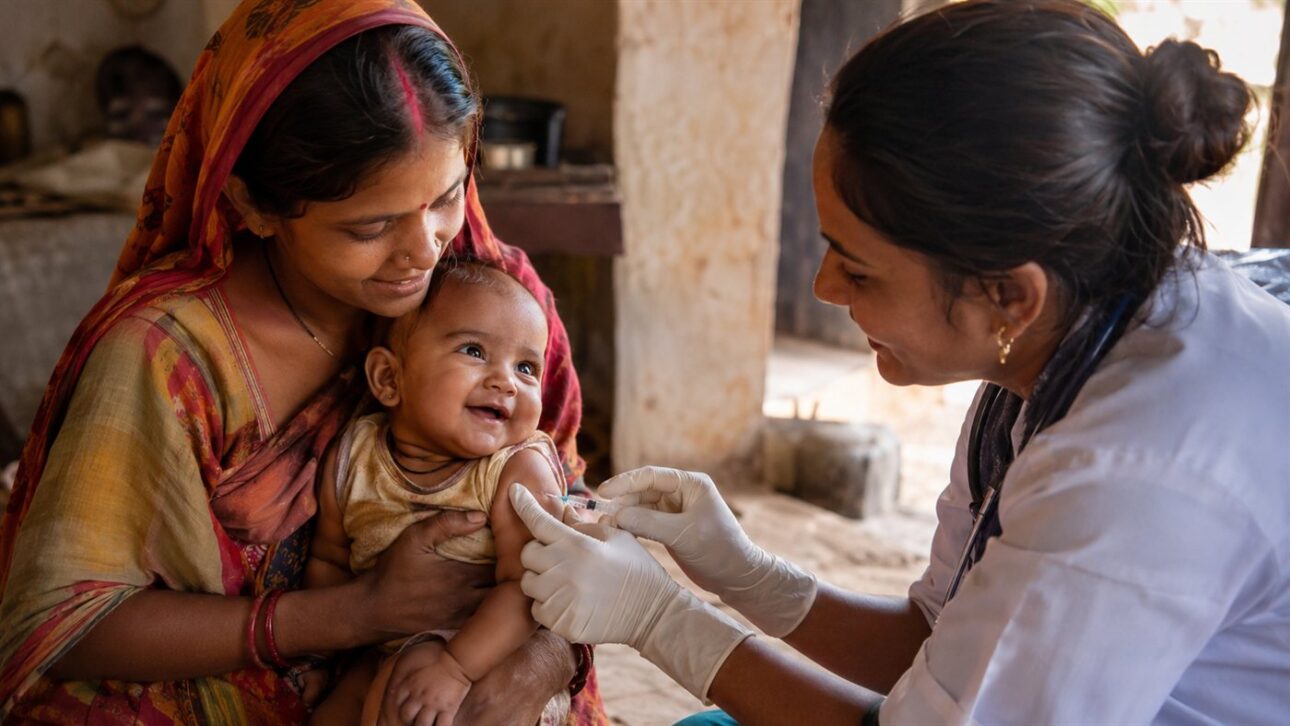
The company’s commercial secret is the combination of absurd scale with low cost. Producing more than 1.5 billion doses per year, a number confirmed by both Forbes India and the manufacturer’s official page, diluted the cost of each vial to the point where the company offers vaccines for just a few cents, an unthinkable price for large Western laboratories.
This model transformed the group into a preferred supplier for global immunization programs, such as those distributing vaccines to low-income countries. When an international organization needs to vaccinate millions of poor children, it is almost always the Indian manufacturer that delivers the volume at the price. Making the vaccine cheaper was not charity, it was industrial engineering applied to health, and this is what sustains the family’s empire.
Covishield: when the whole world depended on Pune
The covid-19 pandemic put the company under the spotlight it never had. The company partnered with pharmaceutical AstraZeneca and the University of Oxford to mass-produce the Indian version of the vaccine against the disease, named Covishield, and became a central piece in the immunization of dozens of developing countries.
The installed capacity allowed for the promise of hundreds of millions of doses for India and low and middle-income nations in record time. The episode exposed, to the general public, something that experts already knew: a significant part of the world’s health security depends on production capacity concentrated in very few factories, and the one in Pune is the largest of them.
Why making the vaccine cheaper is a silent revolution
It’s easy to underestimate the impact of a vial that costs cents. But in public health, price is access. An expensive vaccine stays in rich countries; a cheap vaccine reaches the village, the remote health post, the child who would otherwise die from a preventable disease.
By pushing the cost down without sacrificing volume, the manufacturer helped to redesign the map of diseases in the developing world. The company proved that mass production and social purpose can go hand in hand, a powerful message in a sector accustomed to very high margins. Not by chance, Cyrus Poonawalla became one of the richest men in India by making the cheapest product on the shelf.
The heir Adar Poonawalla and the billion-dollar bet
Today, the day-to-day operations are managed by Adar Poonawalla, the founder’s son and the group’s CEO. Under his leadership, the company is investing heavily to expand capacity. In a 2024 interview, the executive stated he expects the demand for vaccines to double in the next five years, a growth he estimates at about 2.5 billion additional doses.
The ambition is not modest: the family wants the manufacturer to stop being just the home of traditional vaccines and to strongly enter new vaccines, against dengue, HPV, and malaria, among other threats. The bet is to transform a business born from horses into a global biotechnology powerhouse, capable of responding to the next pandemic before it spreads.
What the company’s history teaches about global health
At its core, the saga is a reminder of how fragile and interconnected the world is. The health of billions of people depends on decisions made within a single family company, in an Indian city that most people have never visited. A problem in Pune becomes a problem for the entire planet.
It is also a story about seeing opportunity where no one else did, a horse farm that became the front line against epidemics. The next time a child receives their first vaccine, it’s worth remembering where so many of these vials come from. Should the world rely so heavily on so few factories to stay alive?


