






 Portuguese
  Spanish


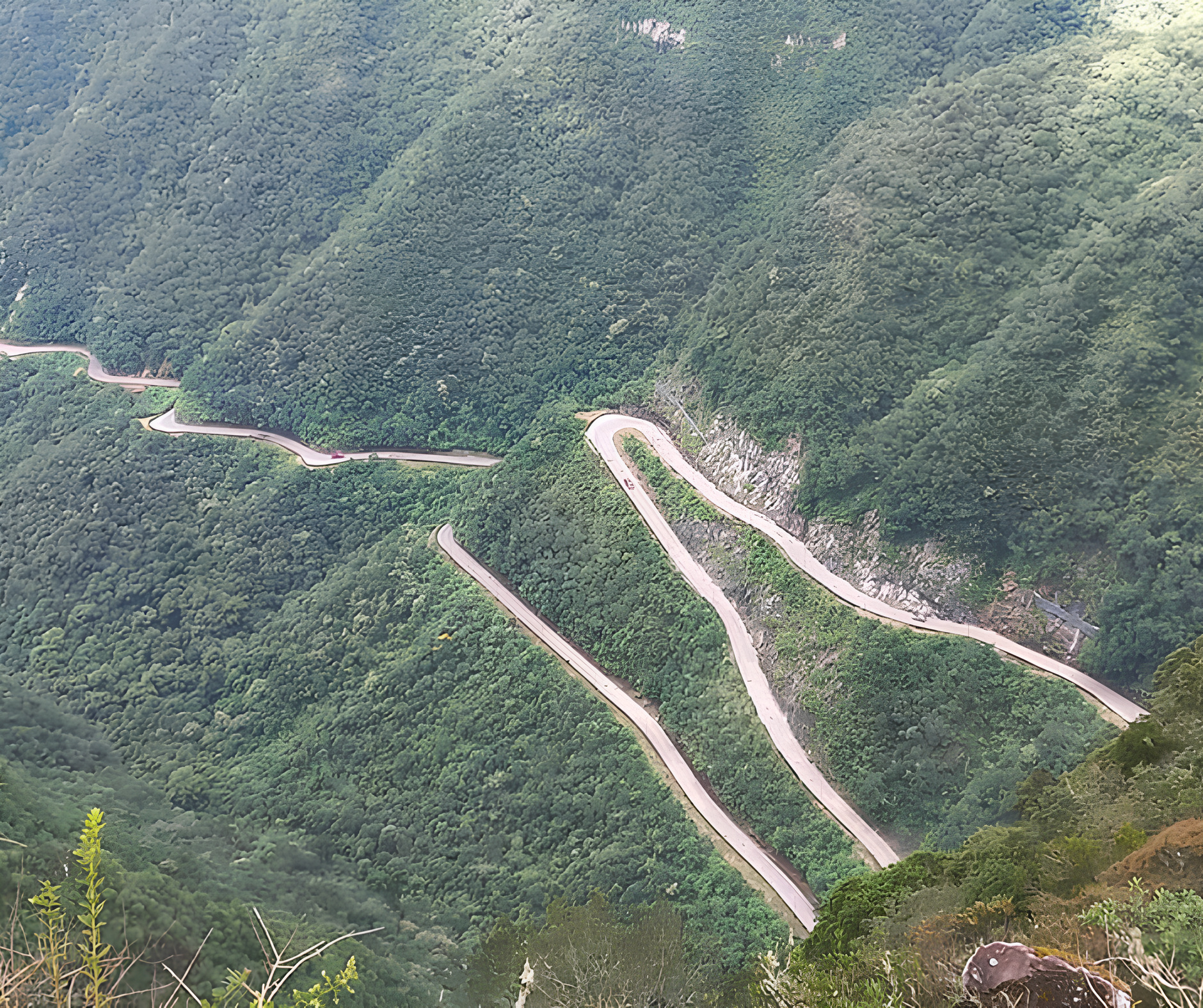


São Joaquim (SC) Is Considered The Second Highest City In Southern Brazil, With Over 1,300 Meters Of Altitude, Intense Cold, Frequent Frosts, And Occasional Snowfall.
Located in the Catarinense Highlands, São Joaquim (SC) occupies a unique position on the Brazilian climate map. With an average altitude of around 1,360 meters, the municipality is widely recognized as the highest city in the Southern Region, a condition that explains a rare phenomenon in the country: severe cold every year and recurring snowfall, something practically nonexistent outside this geographical area. This combination of high altitude, further south latitude, and polar air masses makes São Joaquim one of the few places in Brazil where winter truly dictates the rhythm of economic, social, and urban life.
High Altitude Creates An Extreme Microclimate By Brazilian Standards
The geographical position of São Joaquim, at the top of the Catarinense plateau, favors rapid heat loss during the night and the persistence of very low temperatures throughout the winter. It is not uncommon for thermometers to register lows below 0 °C, with intense frosts covering fields, rooftops, and rural areas.
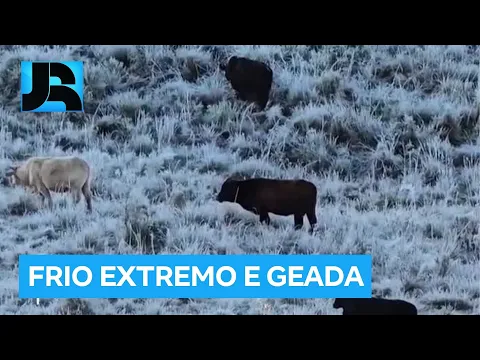

In some years, the city also enters the select group of Brazilian municipalities that record snowfall, a rare phenomenon highly dependent on specific atmospheric conditions. Even when snow does not occur, the persistent cold is enough to set São Joaquim apart from practically any other city in the country.
-
Billionaire says the most valuable skill will help overcome job elimination caused by AI, following Bill Gates’ fears

-
A Dutchman created a ‘box’ that makes trees grow in the desert almost without water and without irrigation: the invention has already brought seedlings to dozens of countries and achieves up to 90% survival where common planting did not exceed 10%.

-
Abandoned warehouse hid a giant collection of rare computers, with over 2,000 artifacts from the 1930s to the 1980s.
-
Scientists warn that melting ice is triggering an alarming chemical transformation in preserved areas, and the first signs are already concerning researchers worldwide.




Snow As An Identity Marker And Not Just A Curiosity
Unlike places where cold is occasional, in São Joaquim it is a structural part of the local identity. The possibility of snow is not treated as an absolute exception, but rather as something expected within the regional climatic dynamics.
This factor has transformed the city into one of the main winter destinations in Brazil, attracting visitors in search of negative temperatures, frozen landscapes, and unusual experiences for a tropical country.
Economy Shaped By Cold And Altitude
The harsh climate imposes clear limits but also creates opportunities. The local agriculture, for example, is deeply influenced by the cold.
São Joaquim Is A National Reference In Apple Production, a crop that requires hours of accumulated cold during the winter to ensure productivity and fruit quality.
Besides temperate climate fruit growing, the municipality has also developed a chain linked to climate tourism, with hotels, inns, and restaurants prepared to serve visitors during the coldest months of the year.
Structural Challenges Of Living In The Highest City In The South
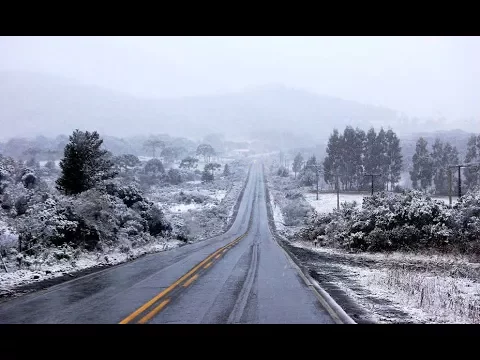
Living in São Joaquim is not simple. The intense cold increases energy costs, heating, and property maintenance. Frequent frosts affect rural roads, agriculture, and even supply during more severe periods.
Logistics also suffers impacts, especially in early mornings with icy roads or dense fog, common in the mountainous region. These factors demand urban planning and constant investments in infrastructure.
Comparison With Other Cold Cities In Brazil
Although municipalities like Urupema compete for the title of the coldest city in the country in terms of absolute temperature records, São Joaquim stands out for uniting high altitude, consistent cold, and larger urban scale, functioning as a regional hub of the Catarinense Highlands.
Differently from small districts or isolated localities, São Joaquim has a consolidated urban structure, which amplifies the economic and social impact of the extreme climate.
São Joaquim proves that Brazil is not a country with a homogeneous climate. In a territory known for its heat, the city has built a completely distinct reality, where winter is the protagonist, shaping habits, economy, landscape, and cultural identity.
The highest city in the South is not just a point on the map; it is a concrete example of how altitude and geography can create unique climatic islands within the country.





O brasil enorme
Conheço essa região aí., como não gosto de frio só vou pra esses lugares aí no verão., sempre Desso a serra do Rio do rastro.,, tenho parentes lá pra baixo. Criciúma.., içara., praía do Rincão., muito bom. Parabéns 👏