






 Portuguese
  Spanish


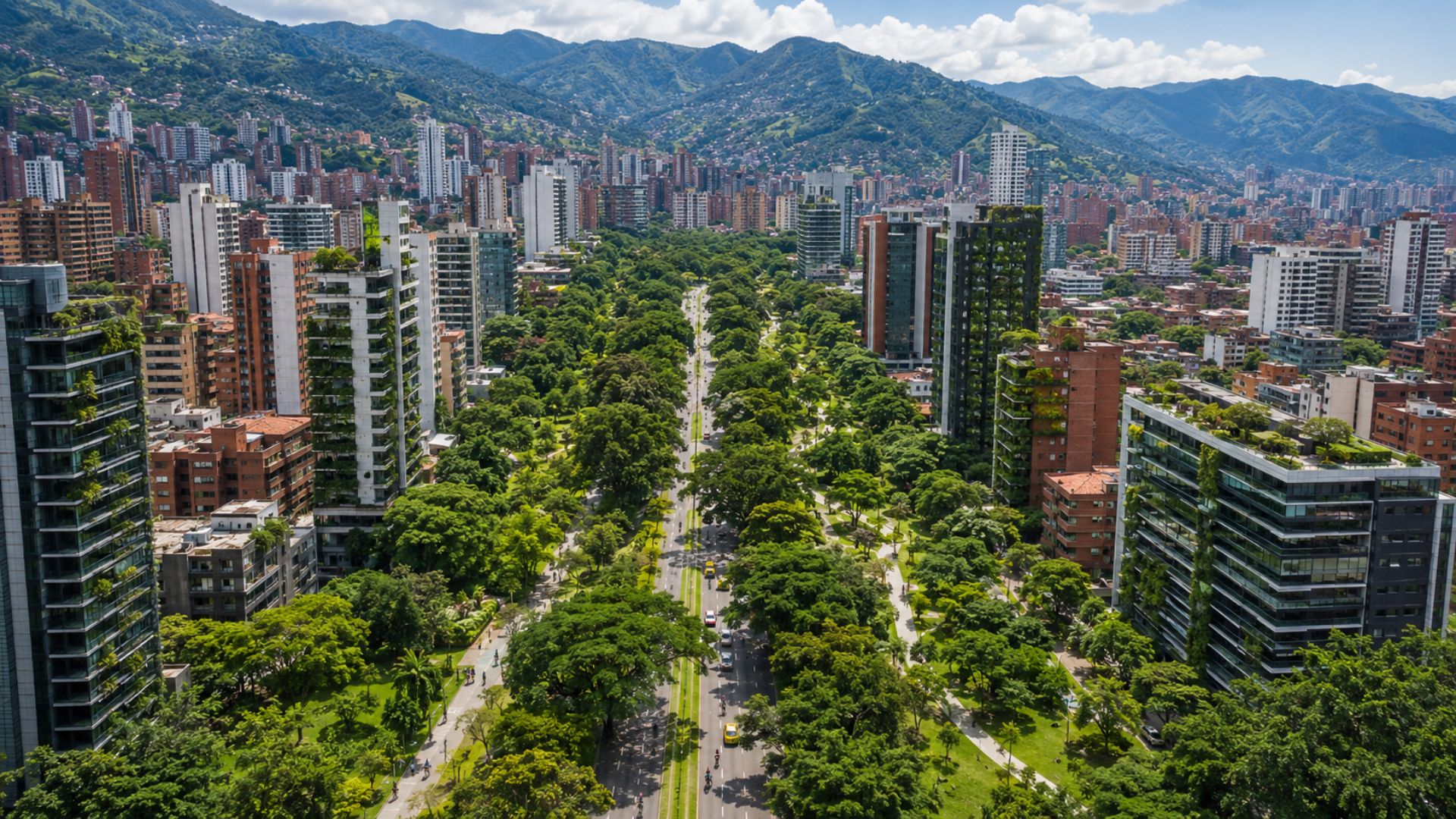


Known as Green Corridors, the Medellín city project began in 2016 and connected previously isolated green areas into more than 30 corridors. Besides reducing urban heat, the trees improved air quality and earned the city international awards such as the Ashden Awards 2019.
The city of Medellín, Colombia, has planted about 880,000 trees and 2.5 million smaller plants since 2016, reducing the temperature by up to 3°C in some areas and winning an international award for using vegetation to combat urban heat. The result came from a project that transformed streets, avenues, parks, and riverbanks into a large green network.
Called Green Corridors, the project began in 2016 by the Medellín city hall, in partnership with local organizations and the community. According to information released by the IG portal, the goal was to combat the increase of heat islands and air pollution. In total, approximately 880,000 trees and 2.5 million smaller plants were planted in more than 30 corridors, 18 on streets and avenues and 12 along the rivers. With this, the city reduced its temperatures by 2°C, reaching 3°C in some areas, and besides cooling the environment, the project improved air quality and attracted local fauna back, earning awards such as the Ashden Awards 2019 and the C40 Bloomberg Philanthropies.
How the Green Corridors Work
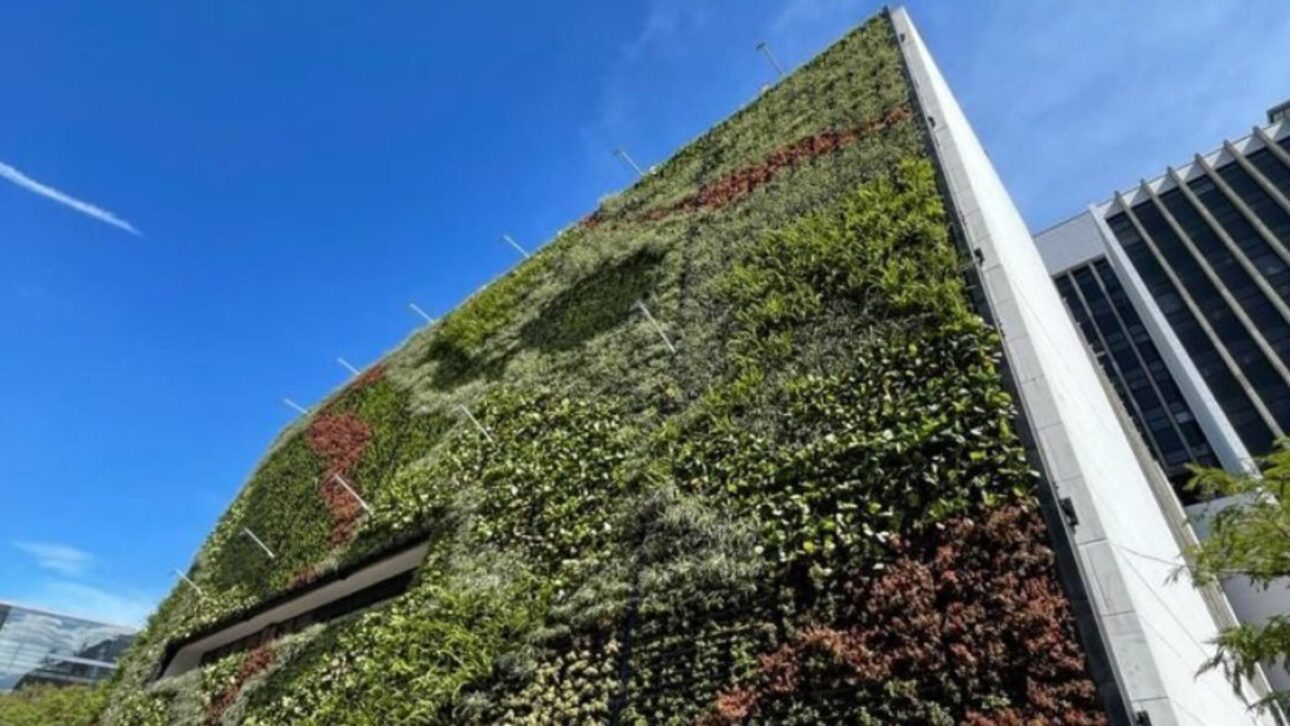
Project gathers millions of trees and plants in streets, parks, and rivers
The project that transformed Medellín was born from the idea of using vegetation as a tool against heat. Known as Green Corridors, it began in 2016, led by the city hall in partnership with local organizations and the community, to tackle the increase of heat islands and air pollution, with tree planting as its foundation.
-
China returned almost 20 Brazilian ships with soybeans and is now back to buying from the USA, but stocks above 9 million tons raise suspicions of a political move, not a commercial necessity.

-
Japan will have a bullet train that levitates at 500 km/h and will cross 90% of the route through tunnels; the project promises trips in just 67 minutes but faces billion-dollar challenges and unprecedented environmental obstacles.
-
Few people know, but the smallest city in Rio holds a tunnel that was once the largest in the world, covering only 95.35 km², housing a railway work of 2,233 meters, and is also known for the historic title of the 4th best climate in the world.
-
A ‘hanging’ road in SP with viaducts over 80 meters, 11 tunnels, 20 suspension bridges, and pillars fixed at a depth of 40 meters has been challenging the Serra do Mar for almost 50 years and still impresses engineers.


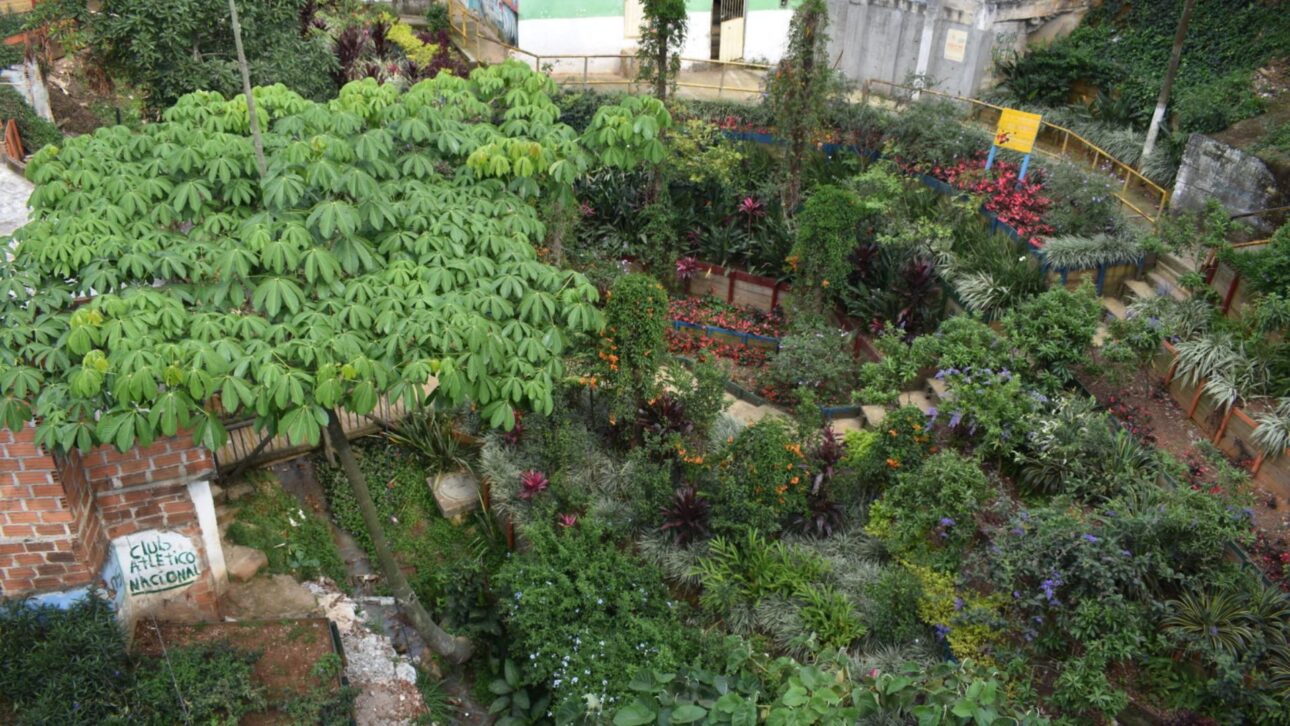
Project brings together millions of trees and plants in streets, parks, and rivers
The great idea was to connect what already existed. The corridors connect the natural areas that previously existed in isolation, creating a continuous network of vegetation throughout the city, with more than 30 corridors installed, 18 on streets and avenues and 12 along rivers. Besides the trees, the project includes shrubs, ground cover vegetation, vertical gardens, and interventions on roofs and riverbanks.
880 thousand trees and a drop of up to 3°C
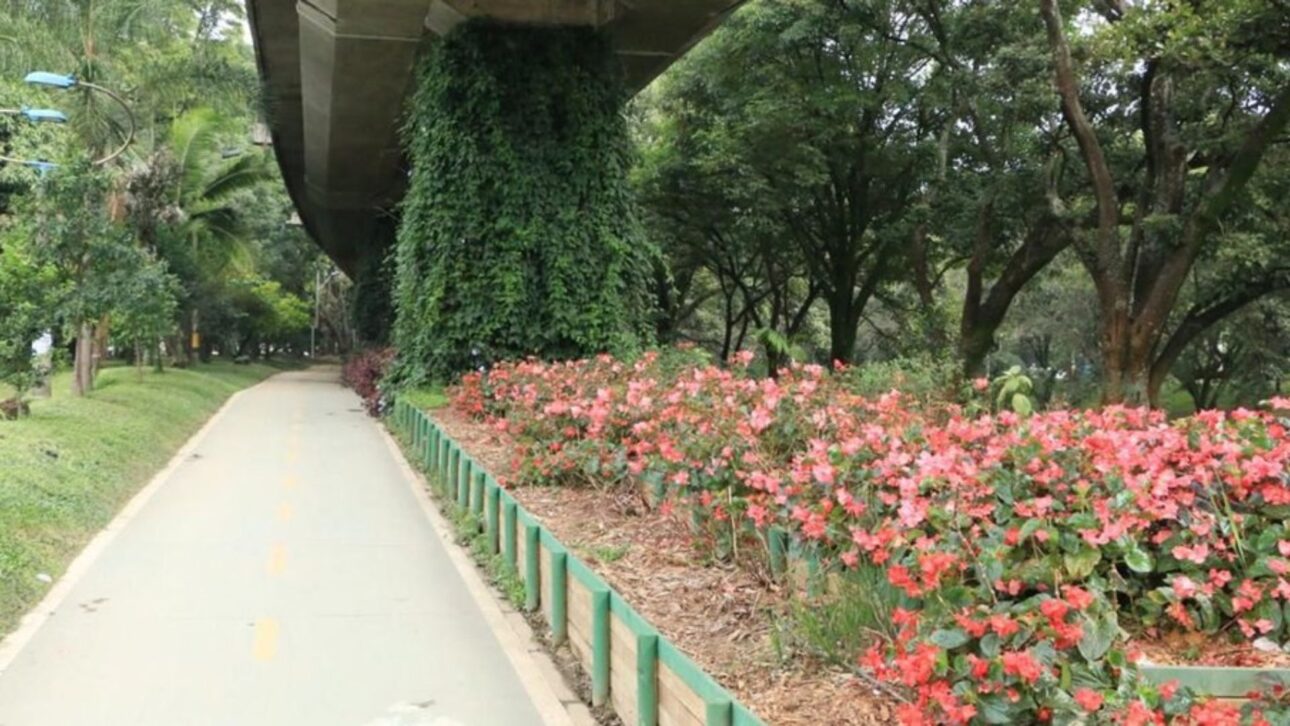
Project brings together millions of trees and plants in streets, parks, and rivers
At the heart of the project is the impressive scale of planting. In total, approximately 880 thousand trees and 2.5 million smaller plants were planted throughout the city, transforming streets, avenues, parks, and riverbanks into green areas.
Parts of areas previously covered by concrete and asphalt were replaced with permeable soil and vegetation to absorb rainwater and reduce heat accumulation, while the shade from the trees also helps control the temperature. The effect appeared on the thermometers: the city lowered its temperatures by 2°C, and in some places, the reduction reached 3°C, a considerable relief in a region marked by heat.
Cleaner air and more nature in the city
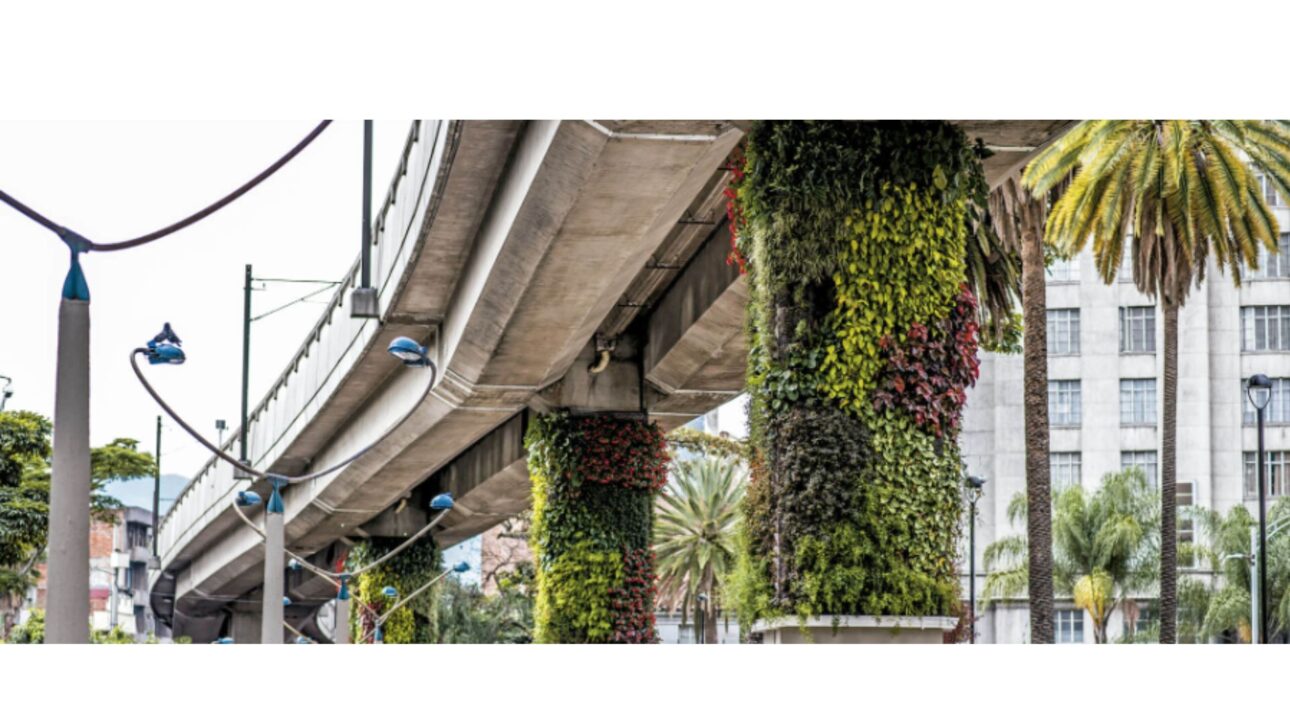
Project brings together millions of trees and plants in streets, parks, and rivers
Cooling was not the only gain. The Green Corridors also help absorb dust and other air pollutants, provide sound insulation, and capture carbon dioxide and other suspended particles, improving the city’s air quality. The trees, in this sense, function as a living filter.
The very nature returned along with the vegetation. The project is also responsible for increasing the presence of local fauna in the city, as well as creating more spaces for socializing and leisure for the residents of Medellín. Where there was once only concrete, the trees brought shade, animals, and places for people to meet.
Why Medellín suffers from heat islands
To understand the importance of the project, it helps to look at the geography of the city. Medellín is located at about 1,495 meters of altitude, has an estimated population of over 2.7 million inhabitants, and a humid climate, with temperatures between 22.1°C and 24°C throughout the year, a combination that makes tree planting even more necessary.
Located in the Aburrá Valley and surrounded by elongated mountains, the city has impaired air circulation, which contributes to the formation of urban heat islands, in addition to atmospheric pollution above the limits recommended by the World Health Organization (WHO). A study shows that the metropolitan region of the Aburrá Valley recorded an average temperature increase of over 2°C per decade between 1940 and 2012, linked to urban growth, an advance that the trees now attempt to curb.
The international recognition of the project
The results put Medellín on the world map of climate solutions. The project is internationally recognized by the Ashden Awards 2019, in the “Cooling by Nature” category, during the London Climate Action Week in the United Kingdom, an award that values initiatives using vegetation and trees to reduce city heat.
For Glenn Pearce-Oroz, director of Policy and Programs at SEforALL and judge of Ashden 2019, the choice was clear. According to him, the decision was due to the leadership of Medellín’s authorities:
“We chose Medellín’s project for the leadership demonstrated by the municipal authorities.”
The project also won the C40 Bloomberg Philanthropies award, in the “The Resilient Future We Want” category, and representatives of the United Nations Environment Programme classify the idea as an example of urban planning supported by trees.
Since 2016, Medellín has planted about 880,000 trees and 2.5 million smaller plants in more than 30 Green Corridors, lowered the temperature by 2°C, and by up to 3°C in some areas, while also improving air quality and bringing local fauna back to the streets.
In a city squeezed into the Aburrá Valley and historically plagued by heat islands, the investment in vegetation earned international recognition, including the Ashden Awards 2019 and the C40 Bloomberg Philanthropies award, as well as being classified by the UN as an example of urban planning.
The case shows how trees, more than just landscape, can become a form of infrastructure against urban heat, a lesson increasingly relevant as cities worldwide face rising temperatures.
And you, what did you think of Medellín’s solution with trees against the heat? Do you believe your city could adopt green corridors like these? Share your opinion and exchange ideas with other readers about climate and the environment in cities.


An excellent nature based model for climate resilient and for reducing urban heat and for balanced ecosystem
I wish the Madallen mayor vists Kampala and have a clear look where Police is guarding inviloment degraders in the name of cleaning the city
I would like to further consult with the medellin and seforall for our urukan greening of the ward which is similar and share knowledge