Portuguese
  Spanish


Sobha brought the standard of interiors to real estate development
P.N.C. Menon left India for Oman in 1976 and started in the interior decoration sector before becoming a name associated with the high-end real estate market. The investigation was published by Forbes, a business magazine.
The story is of interest to the construction industry because it shows a less obvious path: the entry point was not a large plot of land, but the attention to wood, interiors, luxury finishing, and execution.
This type of trajectory helps to understand why, in the premium real estate market, the value of a development is not only in the location. It also involves how each detail is delivered to the buyer.
-
A city with 8,000 inhabitants will receive R$ 25 billion to host the largest single-stage pulp mill in the world, with a production of 3.5 million tons per year and a cost of R$ 45 million.

-
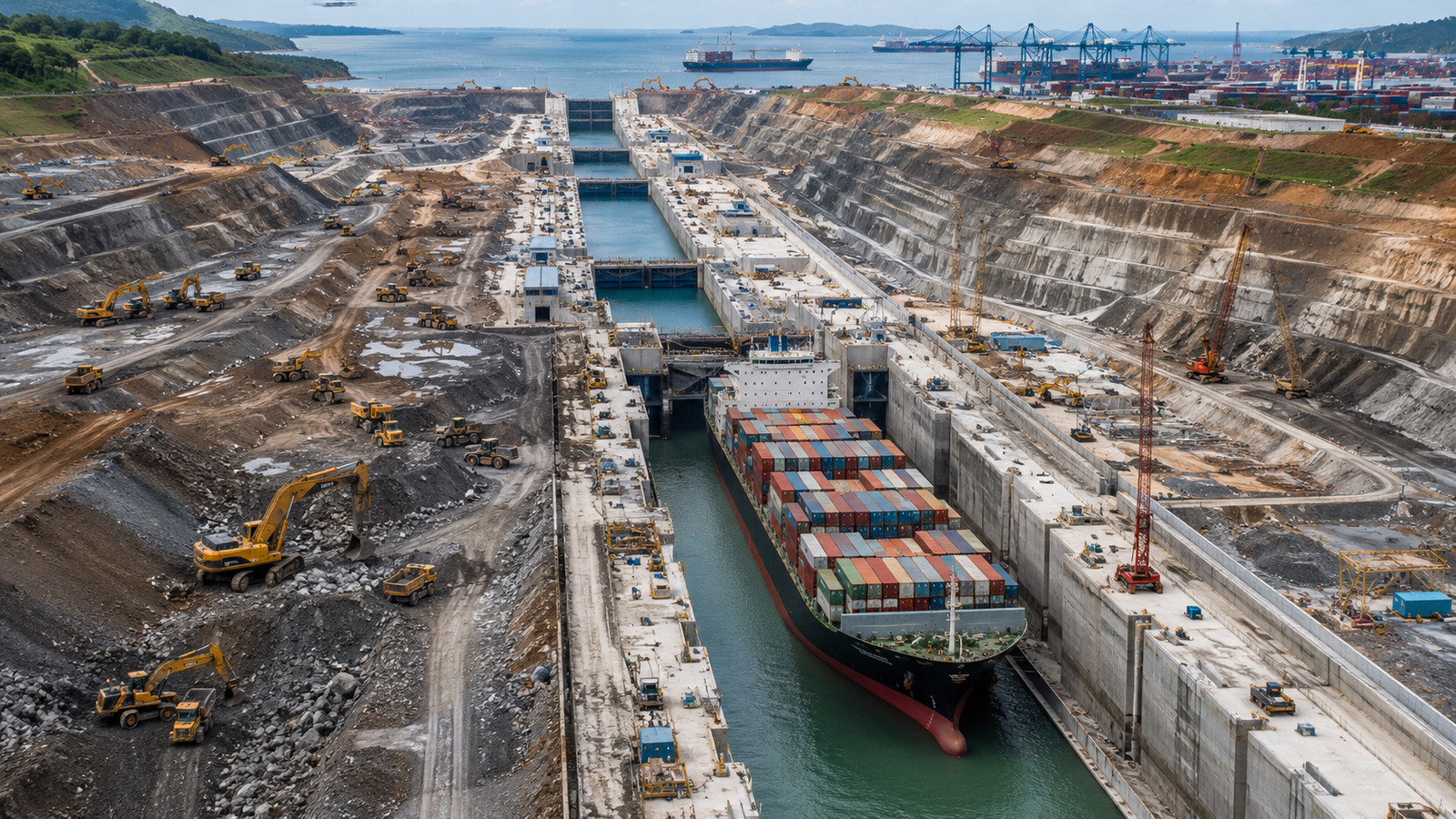
China wants to impress the world once again with a mega canal featuring giant locks, deep waters, and space for the largest ships, in a project aimed at shortening journeys, reducing queues, and rivaling the Panama Canal in global trade.

-
Brazil saved US$ 32.4 billion in 2025 by switching from fossil to renewable energy and only ranked behind China and the United States on the IRENA global podium.

-
A company from SC that moves R$ 125 billion in agribusiness is integrated into an international group, maintains its headquarters and jobs in Chapecó, and is preparing to expand software for cooperatives, grain companies, and industries while targeting new markets without leaving the western region of Santa Catarina.



The beginning in Oman came through interior decoration, a small area in appearance, but decisive in luxury property
P.N.C. Menon left Kerala, in southern India, and migrated to Oman in 1976 to start an interior decoration business with a partner.
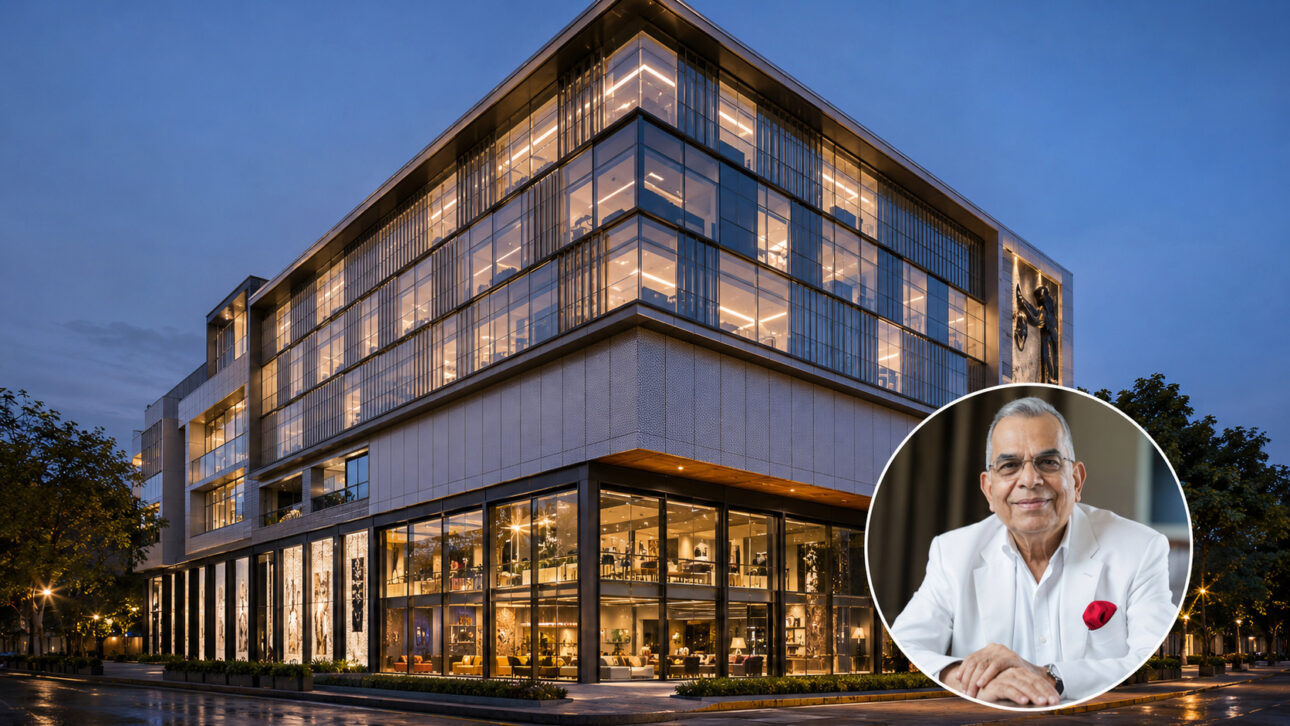
Interior decoration is the work done inside the property to improve use, comfort, and appearance. It involves furniture, wood, coverings, doors, lighting, and other details that the resident sees every day.
In high-end construction, this care weighs heavily. A property can have a good facade and good location, but the buyer feels the quality when touching the materials, observing the fittings, and noticing the finishing.
Therefore, Menon’s beginning in Oman helps to explain the foundation of Sobha. The business was born from an area linked to the final quality of the work, not just the sale of built space.
Sobha brought the standard of interiors to real estate development
Sobha entered the real estate market with a logic linked to careful execution. A developer is a company that plans, develops, and sells projects, such as buildings, houses, and high-end complexes.


Forbes, a business magazine, reports that Menon created Sobha Developers in 1995, in Bangalore, after seeing an opportunity in India’s real estate sector.
This move connected two important fronts. On one side, there was the experience with interiors in Oman. On the other, there was the advance to broader real estate projects, in a market where reputation and delivery matter a lot.
Thus, the finish ceased to be just a final stage of the work. It became part of the identity of a brand linked to the luxury real estate market.
Luxury finishing is not decoration, it’s part of the value perceived by the buyer
For many people, finishing seems like just the last detail of construction. In the high-end market, it functions as a kind of visible proof of the quality of the work.
Floors, doors, custom furniture, walls, metals, stones, and wood help the buyer perceive if the property was made with care. When these elements fail, the sense of luxury quickly disappears.
In the case of Sobha, the origin linked to interiors reinforces this understanding. The company became associated with projects where finishing, internal design, and execution are part of the value package.

For the Brazilian reader, the comparison is simple. Two properties may be similar in size, but the price changes when one of them delivers better materials, better distribution of spaces, and a sense of durability.
The connection between India, Oman, and the Middle East shows how construction became a reputation business
The move of P.N.C. Menon to Oman created a bridge between skilled labor, luxury finishing, and real estate development. This connection later appeared in the expansion of Sobha.
The Middle East has a strong presence of developments aimed at high-income buyers. In this type of market, the brand needs to convince not only by the address but by the trust in delivery.
Sobha’s operation fits into this environment because it was born from a vision closer to the finished work. Instead of treating the interior as a detail, the finish appears as part of the strategy.
This logic helps explain why luxury construction depends so much on reputation. The buyer pays for location, but also pays for security in delivery and quality standard.
What this trajectory teaches about civil construction and real estate market
The story of P.N.C. Menon shows that the real estate sector does not grow only with land purchases. It can also grow from technical knowledge applied to the final product.
In the case of Sobha, the central point is the use of finishing as a competitive differential. This means transforming details of the work into a sales argument, brand value, and market confidence.
This path matters for civil construction because it shows a change of focus. The high-standard property does not depend only on size, facade, or address. It depends on the complete experience delivered to the buyer.
Therefore, the trajectory linked to Sobha is valuable for understanding business, construction, and incorporation. It shows how an area seen by many as complementary can become the basis of a company recognized in the premium real estate market.
Sobha consolidated a brand built on interiors, execution, and high standards
P.N.C. Menon left India for Oman in 1976, started with interior decoration, and took this experience to a larger path within construction. Sobha came to represent this link between luxury finishing and the real estate market.
The main point is not in a personal narrative of overcoming but in a business strategy. The case shows how visible quality inside the property can influence reputation, sales, and presence in high-standard markets.
Do you think the finishing of a property can weigh as much as location and size when buying? Share your opinion and share this article with those who follow construction and the real estate market.