






 Portuguese
  Spanish


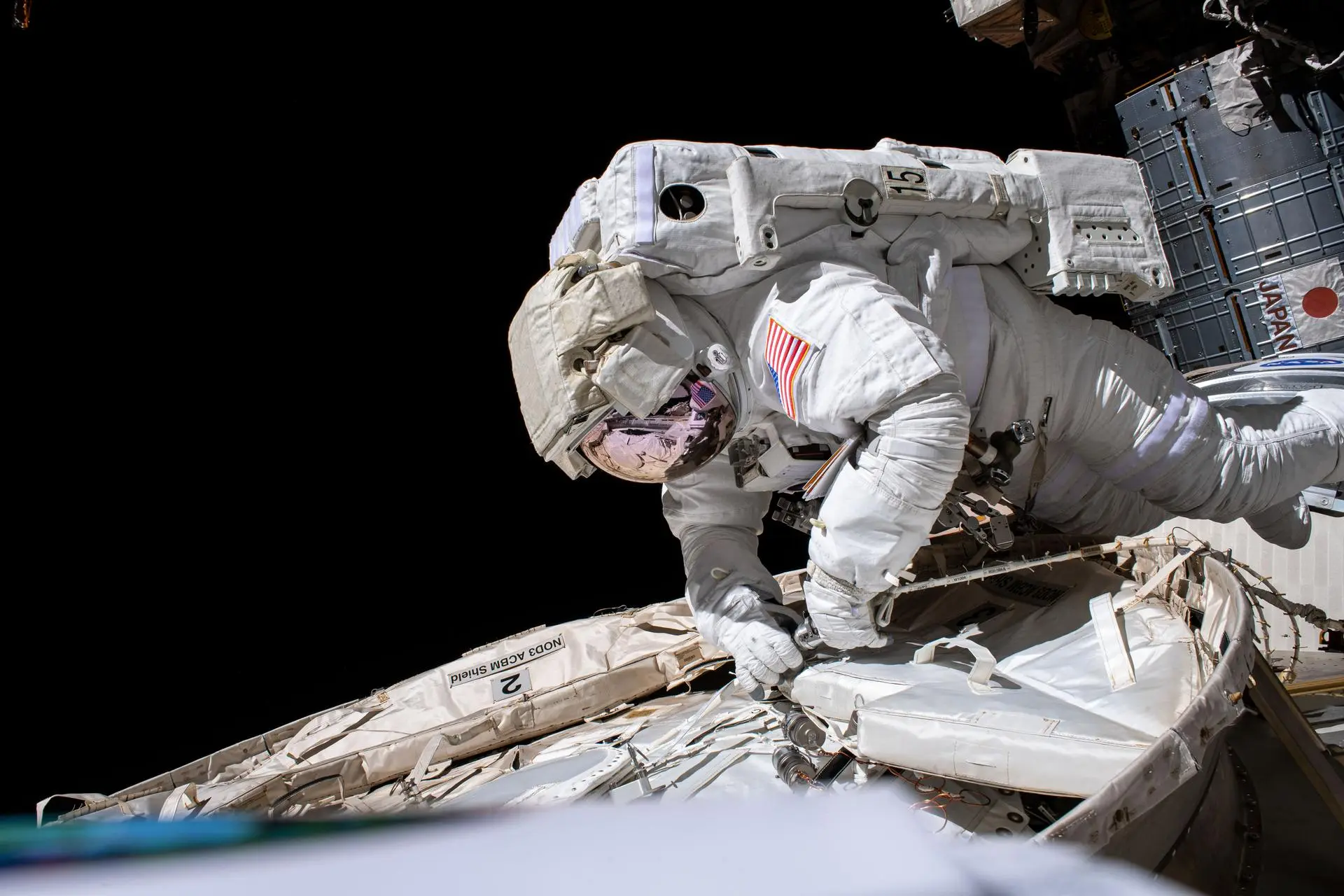


Discover How the Windows of the International Space Station Are Cleaned, from Debris Impacts to Special Techniques Used by Astronauts to Maintain Visibility in Space
Cleaning windows in space is not a common task. Unlike the windows in our homes, which require frequent cleaning due to dust, dirt, and streaks, the windows of the International Space Station (ISS) stay clean for a simple reason: the space is very empty.
But, despite the absence of air and dust, the space environment also leaves its marks.
What Dirties the Windows of the ISS?
Although space does not contain the dirt found on Earth, there are still factors that affect the cleanliness of the ISS windows.
-
China Develops Custom 140-Ton Electric Mining Truck with 770 kWh Swappable Battery, Deploys 290 Units in Xinjiang’s Largest Zinc Mine

-
Meta to Launch Arena, a New Prediction App Targeting 3.56 Billion Users, Competing with Polymarket and Kalshi

-
Scientist Challenges Famous Human Evolution Theory, Argues Homo Sapiens Evolved Gradually Over Thousands of Years
-
15-Year-Old American Builds Ocean Generator with PVC Pipe and 3D-Printed Propeller for $12, Wins National Prize, Presents at White House, and Makes Forbes 30 Under 30 List




The impact of micrometeoroids and orbital debris creates fine residues and scratches on the glass surfaces. These impacts gradually decrease visibility, making periodic cleanings necessary.
Additionally, the firing of thrusters from visiting spacecraft releases combustion particles, which are deposited on the station’s windows.
The release of gases and materials from the ISS itself also contributes to the buildup of thin films of contaminants over time.

Cleaning in Space: A Unique Process
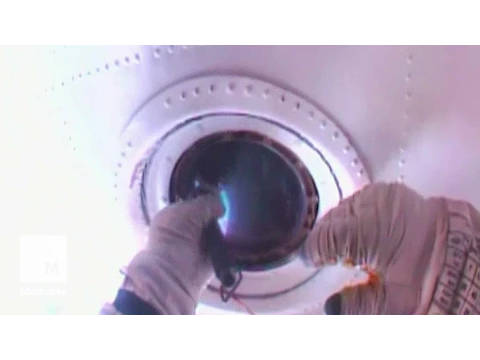
Unlike a traditional cleaning, window cleaning does not require special technical space. In 2015, Russian cosmonauts Mikhail Kornienko and Gennady Padalka conducted a spacewalk of more than five hours to clean the five windows.
During that time, the two also performed other tasks, such as retrieving an old experiment and releasing a communications antenna. However, cleaning the windows was a more visible task.
Without the ability to use a squeegee and a simple cleaning product, the cosmonauts had to be careful.
Using non-abrasive cloths and wipes specially developed for the space environment, they cleaned without damaging the glass.
The microgravity in space makes the task even more difficult, as there is no gravitational effect to help water spread and clean.
On the ISS, water droplets can float and damage equipment. Thus, astronauts are provided with special solvents and dry wipes, made for sun protection conditions.
Internal Cleaning of the Station
Inside the station, window cleaning is more frequent, though less dramatic. Astronauts use alcohol-infused wipes to remove dust, digital residue, and condensation that accumulate due to daily life in space.
Additionally, care is taken to avoid liquid waste. In microgravity, liquids behave unpredictably, and a simple spilled cup of water can create floating droplets that end up on the windows, requiring extra cleaning.
Overall Hygiene in the ISS
Cleansing the internal surfaces of the ISS is crucial for the astronauts’ health. NASA’s “Space Hygiene” podcast details how astronauts use disinfecting wipes to clean various surfaces, including handrails and communication equipment.
These wipes are essential to maintain hygiene in an environment where bacterial contamination can be a greater risk.
The next time you clean your windows, it might be worth considering the work required to keep the ISS windows clean.
While you use a cloth and a bit of cleaner, astronauts need special trajectories and careful techniques to perform the same task in a much more challenging environment.
With information from Zmescience.





