Portuguese
  Spanish


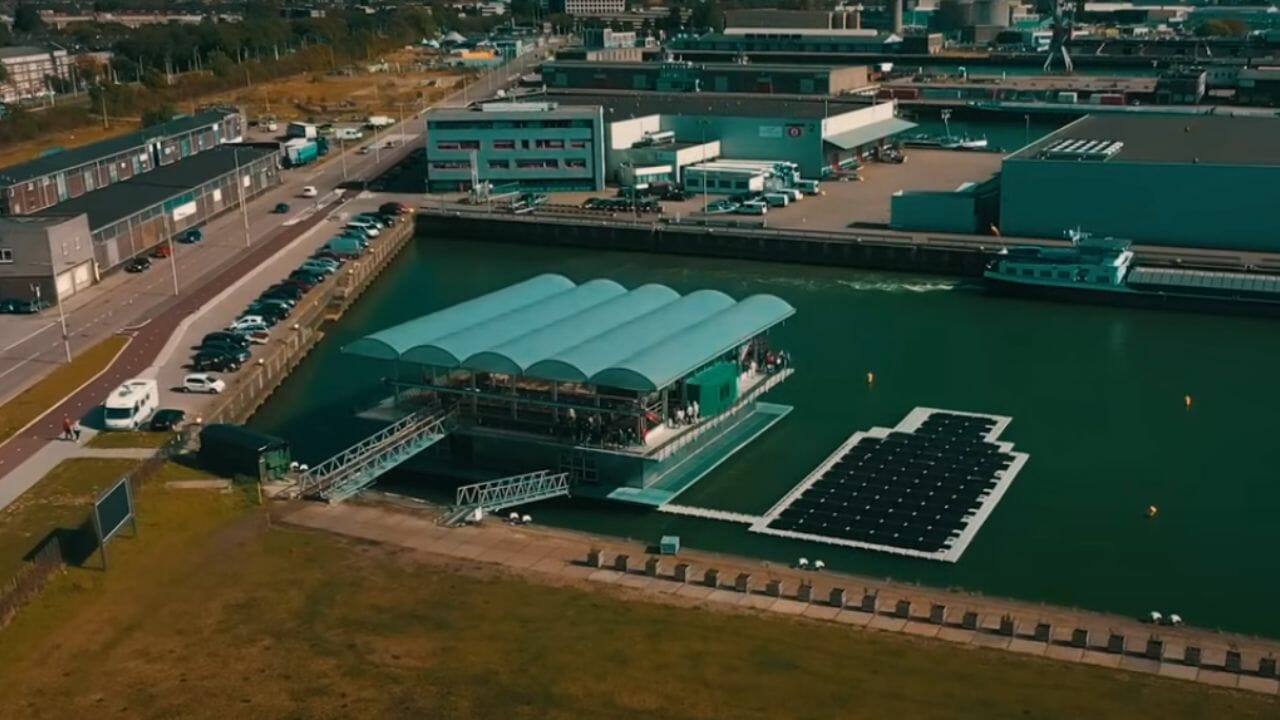

Nowadays, when we talk about farms, we immediately think of large tracts of land dedicated to agriculture or livestock. But have you thought about cows floating in water? Well, this is no longer a scene from science fiction.
Based in Rotterdam, a city already known for its investment in technology and design, this floating farm was put into practice by the company Floating Farm in 2019. According to sources, the initiative aims to bring farming back to the city in a sustainable and conscious manner, especially considering the rising sea levels threatening traditional agricultural lands.
This floating farm is not only innovative in its design but also in its execution. The project follows the principles of circular design: it generates its own electricity through floating solar panels and collects rainwater for consumption. Additionally, the cows’ manure is recycled to create natural fertilizers. It is the farm of the future, and the future is now.
Prioritizing Animal Welfare
In terms of ethics, the farm does not fall short. Each cow has its own space and the freedom to return to solid ground whenever it wants. Furthermore, milking and cleaning are done by robots, ensuring the animals are well treated, and the process is efficient.
-
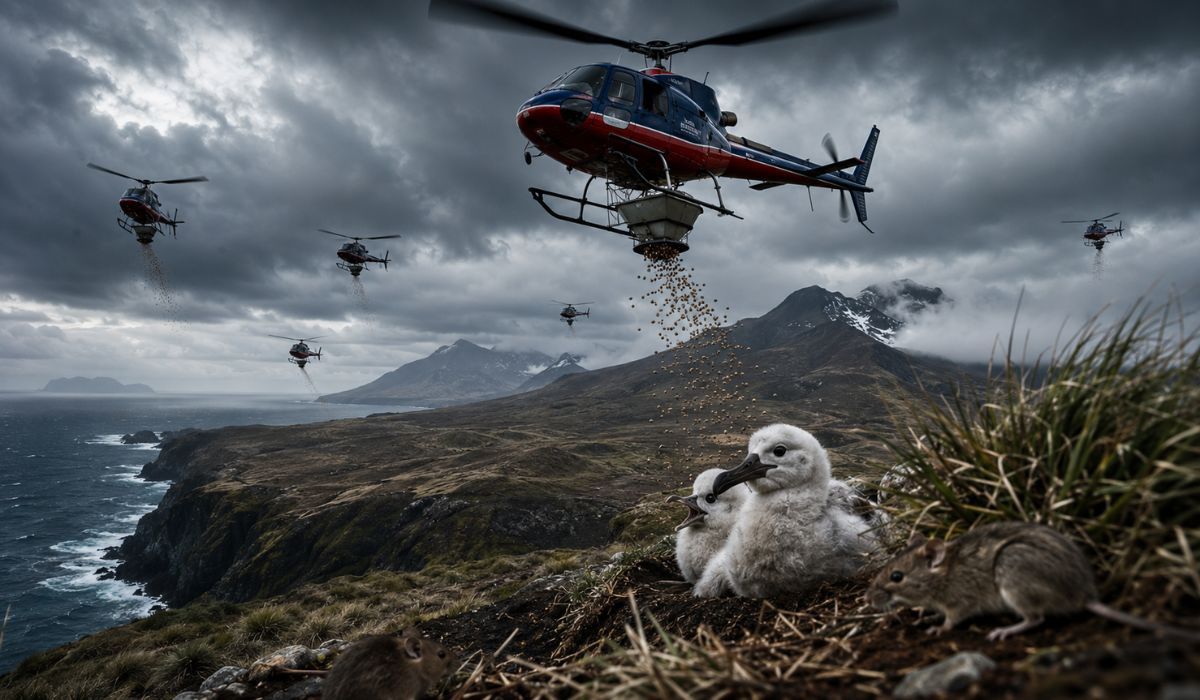
Six Helicopters to Drop 550 Tons of Poison on Island Near Antarctica to Eradicate Mice Threatening Albatrosses and 19 Seabird Species.

-
Russia Unveils Poseidon: A 20-Meter Nuclear Torpedo-Drone with 10,000 km Range, 185 km/h Speed, and 100-Ton Capacity Threatening Coastal Cities with Radioactive Waves
-
Brazilian Innovator Converts Old Car into Electric Vehicle Using Laptop Batteries and Forklift Motor, Achieves Nearly 90 km/h in Urban Settings

-
Samsung Unveils Smart Oven with Built-In Camera, AI Food Recognition, and Real-Time Monitoring via Smartphone.

This farm is not just a commercial project but also an educational space. The structure allows visitors to learn about sustainable agriculture. And it seems this trend is here to stay: there are rumors that if the project continues to be successful, we will soon see not only other floating farms but also floating greenhouses producing fruits and vegetables.
The idea of floating farms is not completely new. Floating solar farms are already a reality in various parts of the world, especially in countries with high population density and land scarcity. These projects also operate with high efficiency and bring various ecological benefits.