Portuguese
  Spanish


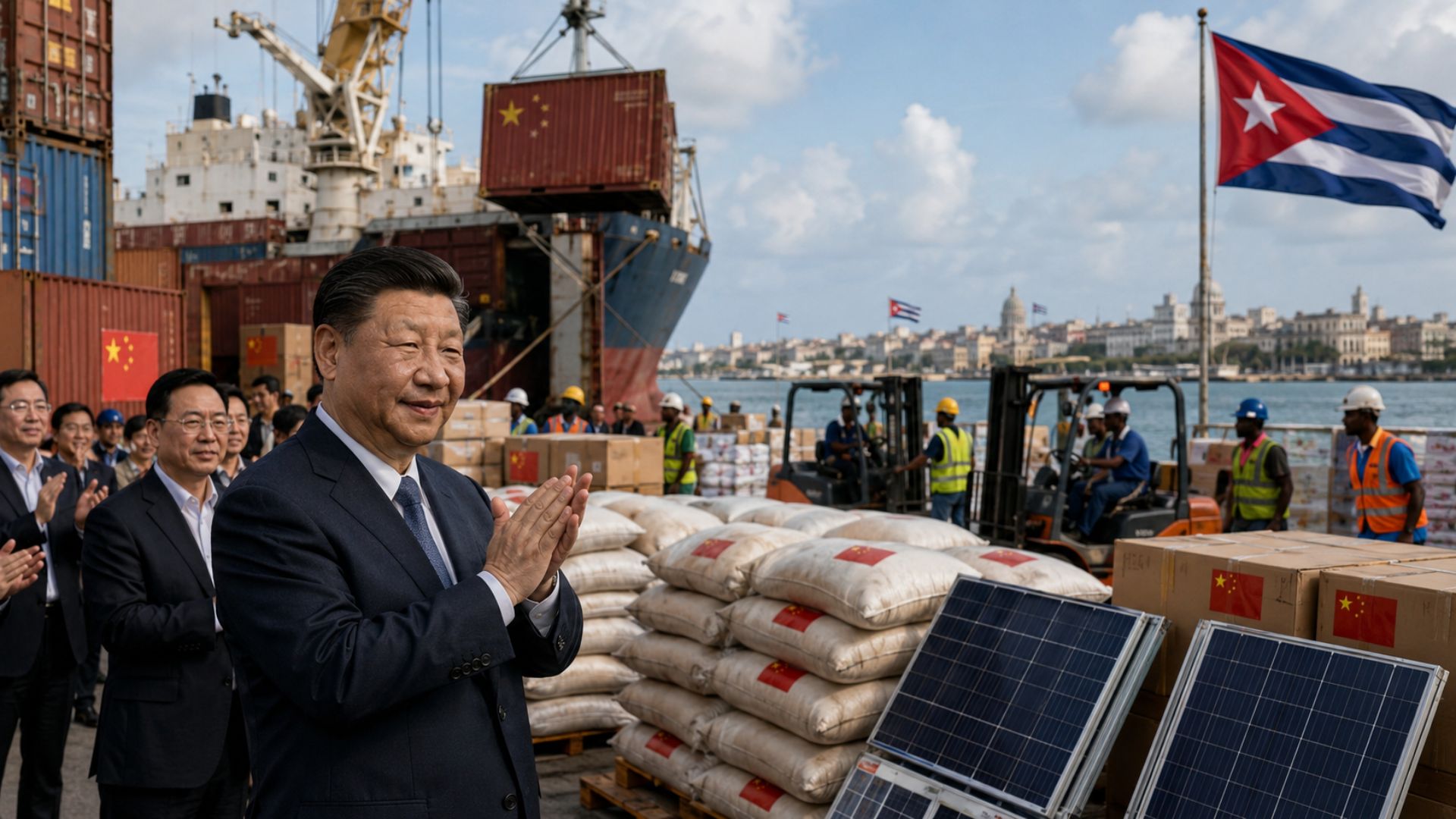

China is installing thousands of solar panel systems in hospitals, polyclinics, and nursing homes in Cuba to tackle the energy crisis caused by the United States’ oil blockade. The aid to Cuba is part of a package approved by Xi Jinping that includes 80 million dollars in emergency funds, 60 thousand tons of rice, and 5 thousand sets of domestic solar equipment. The Chinese ambassador in Havana reiterated that the country will continue to provide assistance to Cuba in the energy and food sectors as long as the crisis persists.
Cuba is regaining the ability to attend to patients in hospitals and medical centers thanks to solar panels donated by China that have already started operating in polyclinics across the island. The energy crisis caused by the United States’ oil blockade has affected all areas of Cuban society, but the impact on the health system was the most severe: tens of thousands of patients are on the waiting list for necessary surgeries because Cuban hospitals did not have the power to operate equipment in operating rooms. The Chinese donation of 5 thousand solar systems is restoring electricity to emergency rooms, dental clinics, intensive care units, and vaccination rooms where vaccines for children and adults require constant refrigeration.
The aid package to Cuba personally approved by Xi Jinping at the beginning of 2026 goes beyond solar energy. China sent 60 thousand tons of rice, of which 30 thousand have already been delivered in January and another 15 thousand arrived at the port of Havana in May, in addition to 80 million dollars in emergency funds aimed at recovering the Cuban electrical infrastructure. The Chinese ambassador in Havana, Hua Xin, stated that the country “will continue to provide assistance to the Cuban people in the energy and food sectors” as long as the crisis lasts.
What the energy crisis does to Cuban hospitals
The oil blockade imposed by the United States has restricted Cuba’s access to essential fuels for electricity generation, causing blackouts that affect all areas of society. In the healthcare system, blackouts mean that operating rooms become inoperative, diagnostic equipment does not work, and vaccines lose their cold chain, compromising the immunization of children and adults.
-
He has never read a line of code, but he already knows how to work: the French company UMA presented in Paris the Northstar, its first AI-powered humanoid robot designed for factories and warehouses, capable of copying tasks just by observing an employee in action.

-
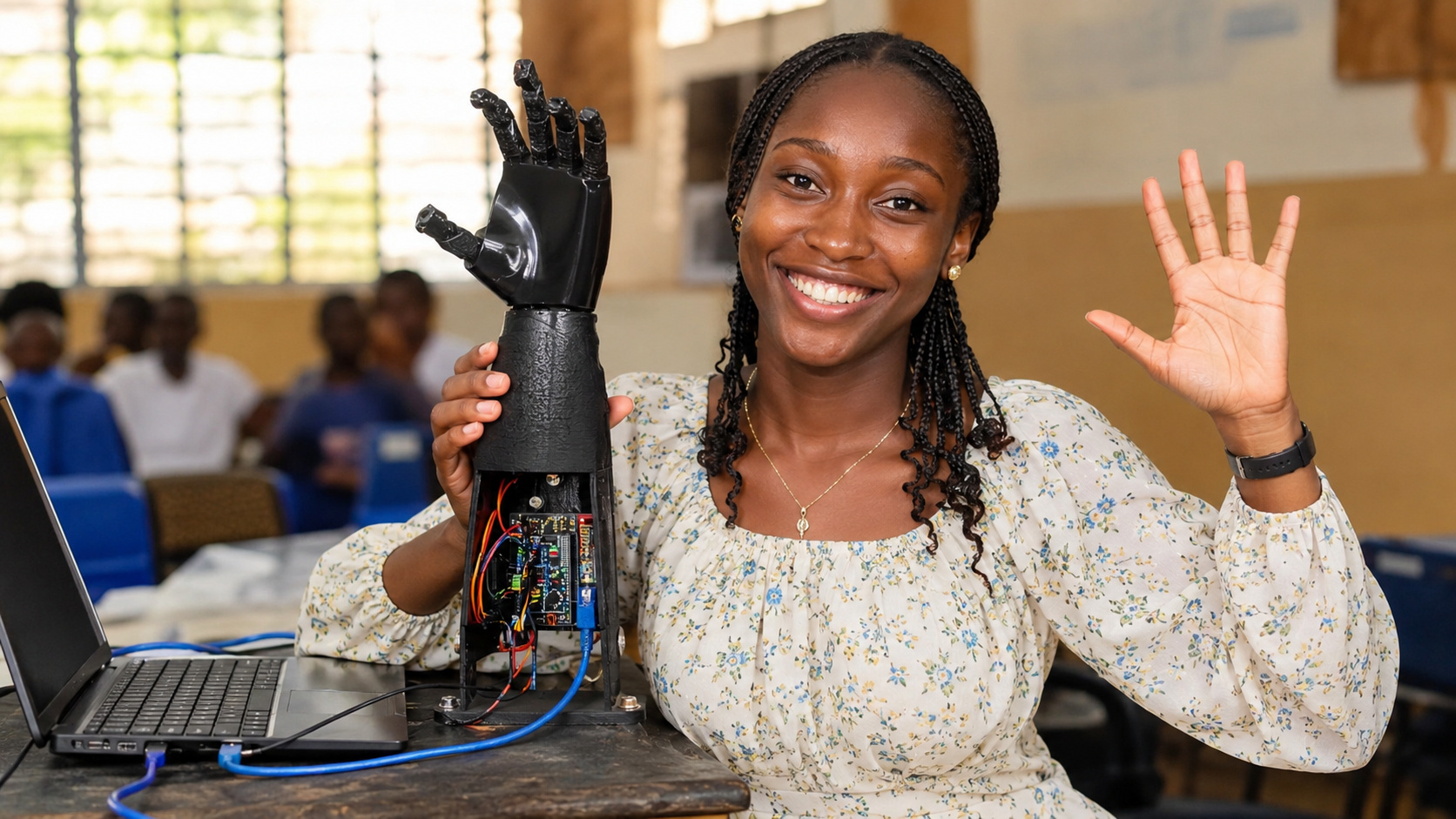
A young Kenyan engineer collects plastic waste from the streets and transforms it into robots that translate physics lessons into sign language in real-time, a machine made with old bottles that teaches what was missing to deaf children left out of science.

-
What is the dark substance found in the sand of Ipanema Beach? Civil Police conduct an examination, collect samples of the material, and initiate an investigation to identify the composition, clarify the origin, and verify if there was an environmental crime.
-
The beer that was hidden for 3,000 years has returned to the world: scientists find yeast preserved in Ancient Egyptian vessels and recreate a pharaoh’s drink to discover the lost taste of an ancient civilization.



Authorities at the Aardo Ramirez Polyclinic in Havana reported that before the installation of solar panels, they could not offer adequate services. Dental equipment, which relies entirely on electricity, would remain idle during blackouts. Patients needing medical consultations and ophthalmological services avoided going to Cuba’s health centers for fear of finding the units without electricity.
The 5,000 solar systems arriving in Cuba

According to information from the CGTN report, China is donating 5,000 sets of solar equipment that include photovoltaic panels, inverters, and storage batteries. The systems are being installed in community polyclinics, hospitals, nursing homes, and water pumping stations in Cuba, prioritizing essential services that depend on continuous electricity to function.

In centers that have already received the systems, the impact was immediate. The Aardo Ramirez Polyclinic resumed offering all emergency services, dental clinic, intensive care unit, and vaccination room. For Cuban doctors and dentists, solar panels mean the difference between attending to patients and turning people away. Residents reported that they can now go to consultations “without fear of blackouts, thanks to the installed solar panels.”
The rice and billions that China sends to Cuba

In addition to solar energy, Xi Jinping’s package allocates 60,000 tons of rice to Cuba, distributed in shipments arriving throughout 2026. The first 30,000 tons were delivered in January, 15,000 tons landed at the port of Havana in May, and the remainder will continue to arrive in the coming months, feeding the Cuban population facing shortages of basic foodstuffs.
The 80 million dollars in emergency funds are directed towards the recovery of Cuba’s electrical system, which suffers from recurring collapses.
The China International Development Cooperation Agency coordinates the logistics of the deliveries, and Ambassador Hua Xin described the operation as a demonstration of “fraternity and solidarity between China and Cuba.”
What Chinese aid means in the context of the blockade on Cuba


China is currently the main provider of humanitarian aid to Cuba, and the scale of the 2026 package is unprecedented in the recent bilateral relationship.
The combination of rice, emergency funds, and solar systems simultaneously tackles three fronts of the crisis: food, infrastructure, and access to electricity in Cuba, issues that the United States blockade has exacerbated by restricting oil exports to the island.
For Cuba, Chinese aid is oxygen at a time when the health system is operating at its limit. For China, it is a demonstration of geopolitical reach in Latin America and the Caribbean, a region where Beijing seeks to expand economic and diplomatic influence.
The debate over whether the motivation is humanitarian or strategic remains open, but for Cuban patients who have regained access to surgeries and vaccines, the origin of the solar panels matters less than the fact that the light has returned.
Did you know that China is installing solar panels in Cuban hospitals to combat blackouts? Do you think the aid is solidarity or geopolitical strategy? Tell us in the comments.