






 Portuguese
  Spanish




Understand The Battle of Narratives for The Title of The Largest Garden in Brazil, Pitting The Visibility of Projects in Rio de Janeiro Against The Scale of a Giant and Little-Known Initiative in Piauí
The search for the largest garden in Brazil has become a narrative dispute. On one side is the Manguinhos Garden in Rio de Janeiro, often celebrated by the media and sources like the Voz das Comunidades portal as the largest in Latin America. On the other is an older and much larger initiative in Teresina, Piauí, which holds the title in fact, but with less fanfare.
This dispute reveals how urban agriculture has become a marketing tool for large cities. Projects like the Manguinhos Garden and the ambitious garden planned for Madureira Park gain the spotlight, but an analysis of the data shows that the true giant of Brazilian community agriculture is in the Northeast.
The Manguinhos Garden: The Symbol of Urban Agriculture in Rio de Janeiro
The Manguinhos Community Garden is undoubtedly one of the most successful social projects in Rio de Janeiro. Established in 2013, it revitalized an area known for drug use, transforming a space of vulnerability into a place for food production and income generation. Its fame is justified by its enormous social impact.
-
Billionaire says the most valuable skill will help overcome job elimination caused by AI, following Bill Gates’ fears

-
A Dutchman created a ‘box’ that makes trees grow in the desert almost without water and without irrigation: the invention has already brought seedlings to dozens of countries and achieves up to 90% survival where common planting did not exceed 10%.

-
Abandoned warehouse hid a giant collection of rare computers, with over 2,000 artifacts from the 1930s to the 1980s.
-
Scientists warn that melting ice is triggering an alarming chemical transformation in preserved areas, and the first signs are already concerning researchers worldwide.




However, in terms of size, its numbers are more modest than its fame suggests. The garden occupies an area of approximately 3 hectares (equivalent to four soccer fields) and has a production of 2 tons of organic food per month. The project is maintained by 21 community residents, who receive a stipend from the city hall to work on site.
The True Giant of Piauí
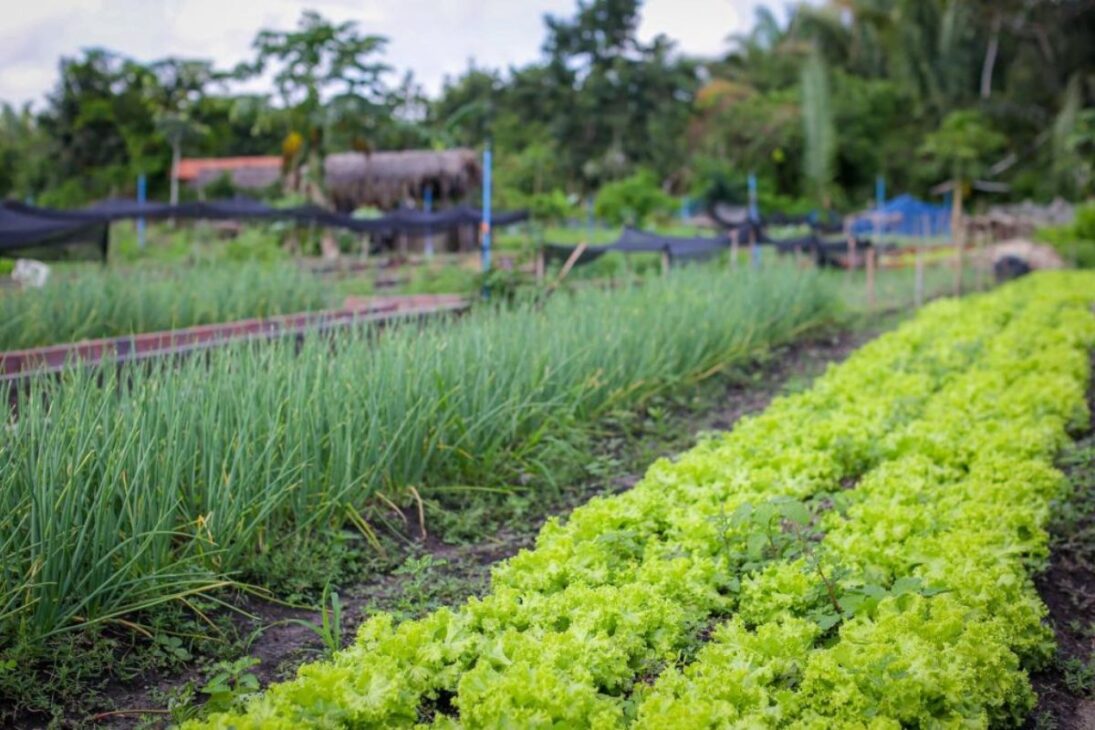
While Manguinhos receives the spotlight, the true largest garden in Brazil in area is in Teresina, the capital of Piauí. The Community Gardens in the Grande Dirceu neighborhood are a monumental and established project that has existed since 1987.
The scale of the Piauí initiative is impressive. The cultivated area is 27 hectares, which is about nine times larger than that of Manguinhos. The project supports 418 farming families who work in individual plots and supply the city. Despite its magnitude and international awards, such as one from the Inter-American Development Bank (IDB), the Dirceu Gardens are rarely mentioned in the contest for the title.
And The Largest in The World? The Ambitious and Uncertain Project of Madureira Park
In addition to the Manguinhos Garden, Rio de Janeiro announced an even grander project: the creation of the “largest urban garden in the world” in Madureira Park. The plan envisions an area of 11 hectares, which, if completed, would indeed position it among the largest of its kind globally.
The original timeline anticipated that the garden would be ready by the end of 2024. However, as of mid-2025, there is still no official confirmation that the project has been fully completed. Reports from 2022 indicated that only 4% of the planned area was finished. Therefore, the title of “largest in the world” remains an ambition, not a verified reality.
What Defines The Success of An Urban Garden?
The contest for the title of largest garden in Brazil shows that often the visibility of a project is valued more than its actual scale. The Manguinhos Garden, with its powerful story of social transformation, has become a stronger symbol in the media than the giant in Teresina.
This raises an important question: what truly defines the success of an urban garden? Beyond the hectares, it is crucial to analyze productivity, the economic sustainability of the project, and most importantly, the actual impact on the lives of the community it serves. In this regard, both the initiative in Rio de Janeiro and that in Piauí are examples of success, each in its own way.





