Portuguese
  Spanish



At The Peak Of Domination, Ambev Saw The Scenario Change Rapidly And Now Faces Strong Competition, Demand For Innovation And The Need To Reinvent Itself To Maintain Leadership In The Beverage Market In Brazil And Latin America.
The Ambev, Beverage Company Of The Americas, was once synonymous with almost absolute dominance in the Brazilian beer market.
Resulting from the merger between the then-rivals Brahma and Antarctica in 1999, the company consolidated its position in the sector, expanded operations throughout Latin America, and became a key player in forming AB InBev, the largest brewing group in the world.
However, after years of accelerated growth, the scenario changed: Ambev is facing pressure from stronger competition, changes in consumer profile, and the need to innovate beyond traditional cost-cutting.
-
Former Marketing Agency Owner Thrives on Foraging for 250 Days, Sampling Over 170 Plants, and Says He No Longer Remembers Supermarkets

-
IKEA’s AI Handles Nearly Half of Customer Calls, Company Reassigns 8,500 Staff as Design Consultants, Boosting Revenue by €1.3 Billion
-
Owner of Havan Visits Paraguay to Discuss Lower Taxes, Local Suppliers, and International Expansion with President

-
Brazilian Construction Retail Chain Closes After 60 Years, Begins Liquidation Sale Across Five Cities



How is the giant trying to remain relevant amidst the market transformation?
The analysis is based on a report from the channel on YouTube AUVP Capital, which detailed the company’s trajectory and current challenges.
Historic Dispute Between Brahma And Antarctica
In the beginning, Ambev’s trajectory was marked by intense disputes.
Brahma, founded in Rio de Janeiro in 1888, and Antarctica, which emerged three years earlier in São Paulo, fiercely competed for public taste, shelf space, and presence in bars across the country.
Both heavily invested in infrastructure, from glass factories to distribution trucks, and expanded their brands beyond beer, also operating in soft drinks and other sectors.
While Brahma bet on marketing and scale, Antarctica distinguished itself through efficient logistics and by turning Guaraná Antarctica into a national reference.
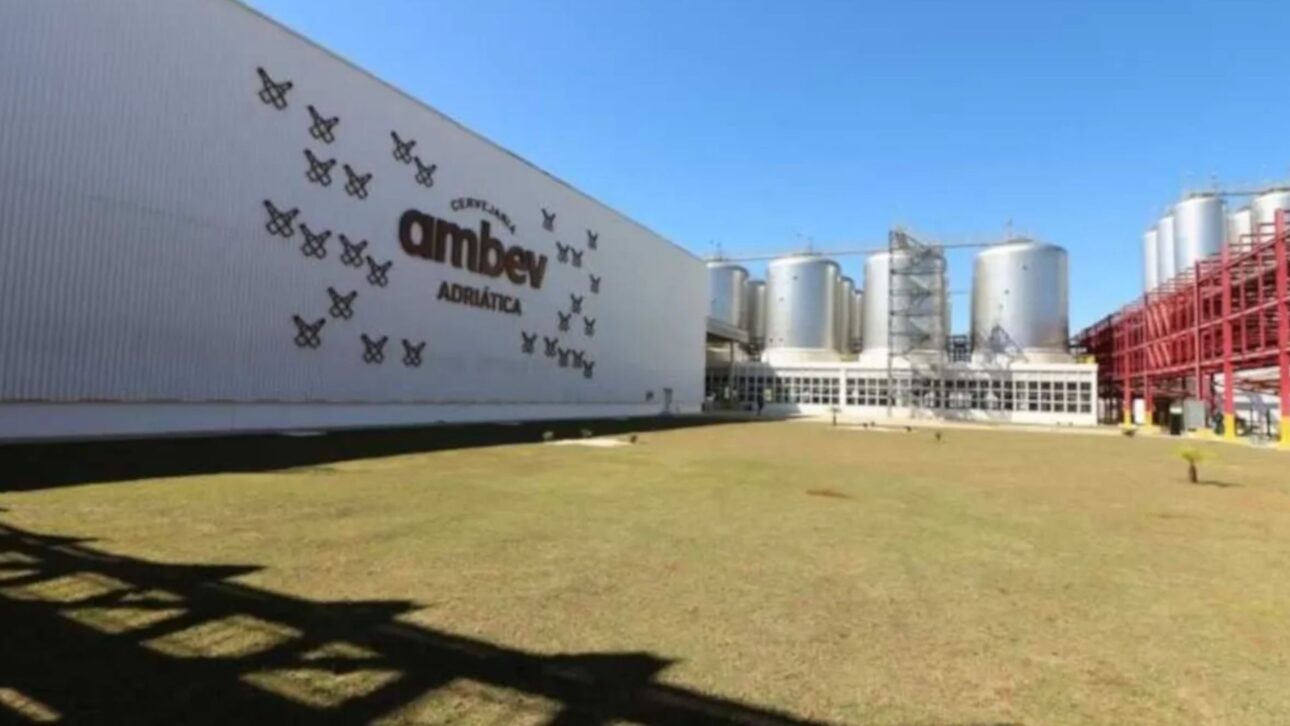
Strategic Merger And Birth Of Ambev
The 1990s brought new challenges: multinationals began to target Brazil, raising the risk of a foreign player capturing a significant portion of the local market.
To protect themselves, the former rivals sealed an unprecedented agreement.
Thus, in 1999, Ambev was born, a company that quickly came to account for more than 60% of beer consumption in Brazil.
According to AUVP Capital, the operation was analyzed by the Administrative Council for Economic Defense (Cade), which approved the merger with some restrictions to avoid monopolistic practices.
At the time, experts highlighted the strength of the trio of managers behind the merger: Jorge Paulo Lemann, Marcel Telles, and Carlos Alberto Sicupira.
Recognized for their results-oriented management model and meritocracy, they implemented an organizational culture focused on efficiency, waste reduction, and aggressive goals.
International Expansion And Global Influence
Shortly after the creation of Ambev, the company began a process of international expansion.
In 2000, it went public on the Brazilian stock exchange (B3) and also in the United States, attracting global investments and strengthening its cash for acquisitions and growth.
In 2004, the company took a new leap by merging with Interbrew, a Belgian giant owning brands such as Stella Artois and Beck’s.
As detailed by the channel, the merger formed InBev, consolidating Brazil as a strategic center in the global beverage sector.
Creation Of AB InBev And Consolidation Of The Brewing Empire
The largest move came four years later, in 2008.
With a strong financial backing and increasing influence, InBev acquired the American Anheuser-Busch, creator of Budweiser, in a deal valued at US$ 52 billion.
The operation resulted in the birth of AB InBev, a conglomerate that dominates over 25% of the global beer market and includes names like Budweiser, Corona, Stella Artois, Brahma, Skol, Antarctica, Bohemia, among others.
In Brazil, Ambev maintained independent operations, leading the production and distribution of beers, soft drinks, and other beverages throughout Latin America.
Internal Challenges, Criticisms And Change In Consumer Profile
Despite the steep growth, Ambev began to face a series of internal and external challenges.
The management model based on extreme efficiency, cost reduction, and pressure for results faced criticism from employees and suppliers, who reported a tense work environment with little space for creativity.
According to AUVP Capital, the relentless pursuit of scale gains also led to the need to reinvent processes in the face of a more demanding consumer.
Increasing Competition And The Impact Of Craft Breweries
From the second half of the 2010s, new trends began to influence the beverage sector in Brazil.
The arrival of Heineken, which increased its share by acquiring Brasil Kirin in 2017, changed the market balance.
Recent data indicates that in 2024, Ambev maintains leadership, but with about 60% market share, while Heineken has already surpassed 20% in the country.
In addition, the emergence of hundreds of microbreweries and the consolidation of the craft market transformed the profile of the audience, increasing the demand for authentic flavors, local brands, and purpose-driven products.
Innovation And Adaptation In The Face Of The New Consumer
To adapt, Ambev needed to invest in innovation.
The company expanded its portfolio, betting on craft beers, ready-to-drink beverages, kombuchas, drinks, and natural soft drinks.
It also began to prioritize initiatives related to sustainability, inclusion, and diversity, in addition to heavily investing in technology.
One of the most visible examples of this transformation was the launch of the Zé Delivery app, which gained popularity during the Covid-19 pandemic by facilitating direct delivery of beverages to consumers.
The use of the B2B BEES platform, focused on relationship building with points of sale, also reinforced the company’s digital positioning, as highlighted in the original report.


The Role Of Generation Z And The Repositioning Of The Brand
Even with the strength of the portfolio and robust infrastructure, Ambev is not immune to changes in consumer behavior.
Recent research indicates that the young audience of the so-called Generation Z values brands engaged in social causes, seeks healthier consumption options, and tends to diversify choices, reducing loyalty to traditional brands.
AUVP Capital highlighted that this phenomenon challenges Ambev to rethink strategies, advertising campaigns, and even the development of new products.
The 3G Model Under Review And The Challenges Of The Future
The reputation of the so-called “3G model” of management, disseminated by Lemann, Telles, and Sicupira, is undergoing re-evaluation.
The cost-cutting, which was once a competitive differential, is now under questioning in light of the need for innovation, customer experience, and brand building.
Industry experts highlight that to maintain leadership, Ambev will have to balance operational efficiency with creativity, agility, and a genuine connection with the new consumer profiles.
International Pressure And Uncertainties In The Market
In the international context, the pressure for results remains strong.
In 2024, AB InBev, Ambev’s parent company, recorded modest growth in sales volume, impacted by the advance of competition in key markets like Brazil, Mexico, and the United States.
The performance reinforces the warning for Brazilian executives: size is no longer a guarantee of future in an increasingly fragmented market subject to rapid transformations.