






 Portuguese
  Spanish
 3 min of reading
  1 comment


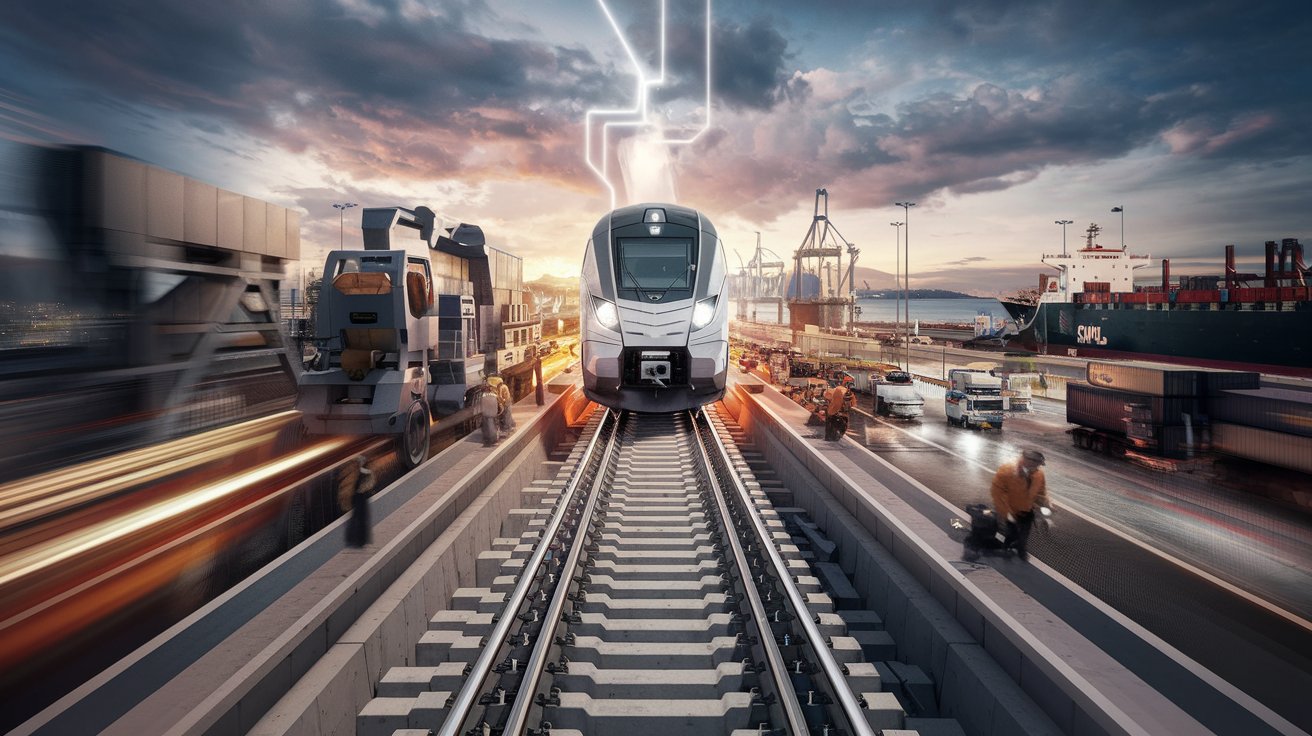


Triumphal Return of Railways! State Plans to Invest R$ 2 Billion to Build a 110 km Railway, Connecting Cities to the National Railway Network.
The government of Santa Catarina is planning a billion-dollar investment in the state’s railway infrastructure.
According to the 2025 edition of the Infrastructure Agenda from the Federation of Industries of the State of Santa Catarina (Fiesc), the estimated cost for the construction of a railway branch between Itapoá and Joinville could reach R$ 2 billion.
The initiative aims to improve the connection between the Port of Itapoá and the national railway network, strengthening cargo flow and optimizing regional logistics.
-
Survivor of 1966 SS Daniel J. Morrell Shipwreck in Lake Huron Recounts 38-Hour Ordeal in Extreme Cold

-
The Greatest Hoax in World Cup History? The Film That Denied Brazil’s 1958 Victory and Exposed How Fake Evidence Can Seem Convincing on TV
-
Fake South Korean Online Stores Offer Shopping Thrill Without Spending Money or Receiving Products
-
Brazilian Joins Homeownership Consortium, Faces Decade of Dual Payments Totaling $141,000, Surpassing Traditional Mortgage


Rail Expansion to Connect Ports and Optimize Transportation
The new railway branch will have an extension of 110 km and could be a game changer for the development of the logistics sector in Santa Catarina.
The proposal not only enables interconnection with the national railway network, but can also be expanded to reach the port complex of Itajaí and Navegantes, should an extension of 62 km between Araquari and the ports in the region be constructed.
This segment is already in the final phase of project executive design, contracted by the state government, but it does not yet have a defined funding source.
If the railway branch is implemented, heavy cargo transportation could be significantly optimized, reducing reliance on road transport and minimizing logistics costs for industries and exporters.
Railway infrastructure also contributes to the sustainability of cargo transport, decreasing emissions and reducing truck traffic on highways.
Port Itapoá Requests Railway Grant from ANTT
Port Itapoá, one of the largest port terminals in Brazil, has filed two grant requests with the National Agency for Terrestrial Transport (ANTT) for the construction and operation of railways in the region.
The requests include a branch connecting Itapoá to Araquari, next to Joinville, and another between Itapoá and Morretes (PR), with an extension of 83 km.
If ANTT approves the request, new studies will be necessary to enable the implementation of the railways and define funding sources for the projects.
Moreover, construction will depend on partnerships between the public and private sectors, as well as possible federal investments.
SC Government Wants Inclusion of Railway in New PAC
Alongside the grant requests from Port Itapoá, the state government has requested the federal government to include the railway studies in the New Growth Acceleration Program (PAC).
If the proposal is accepted, the project could receive direct investments from the Union, facilitating its implementation and execution.
The expansion of the railway network is considered essential for the economic development of the state, as it will allow for a more efficient flow of agricultural, industrial, and port production.
Currently, Santa Catarina heavily relies on road transport, which generates high logistics costs and infrastructure bottlenecks.
The Economic Impact of the New Railway
According to infrastructure experts, investment in railways is essential for Brazil’s competitiveness in foreign trade.
Countries like the United States and China already have robust railway networks, ensuring efficiency in transportation logistics.
In Brazil, initiatives like this can help reduce the so-called “Brazil Cost”, making national products more competitive in the global market.
Additionally, the construction of the railway between Itapoá and Joinville could generate thousands of direct and indirect jobs, boosting the local economy and benefiting various sectors of industry and commerce.
The expectation now is that the project advances in the analysis and resource mobilization phases.
If approved, Santa Catarina could have a modern and strategic railway infrastructure to meet the growing demand of the logistics sector, establishing itself as one of the main cargo transport hubs in the country.





NADA MELHOR QUE FERROVIA DE PASSAGEIROS !!!