






 Portuguese
  Spanish


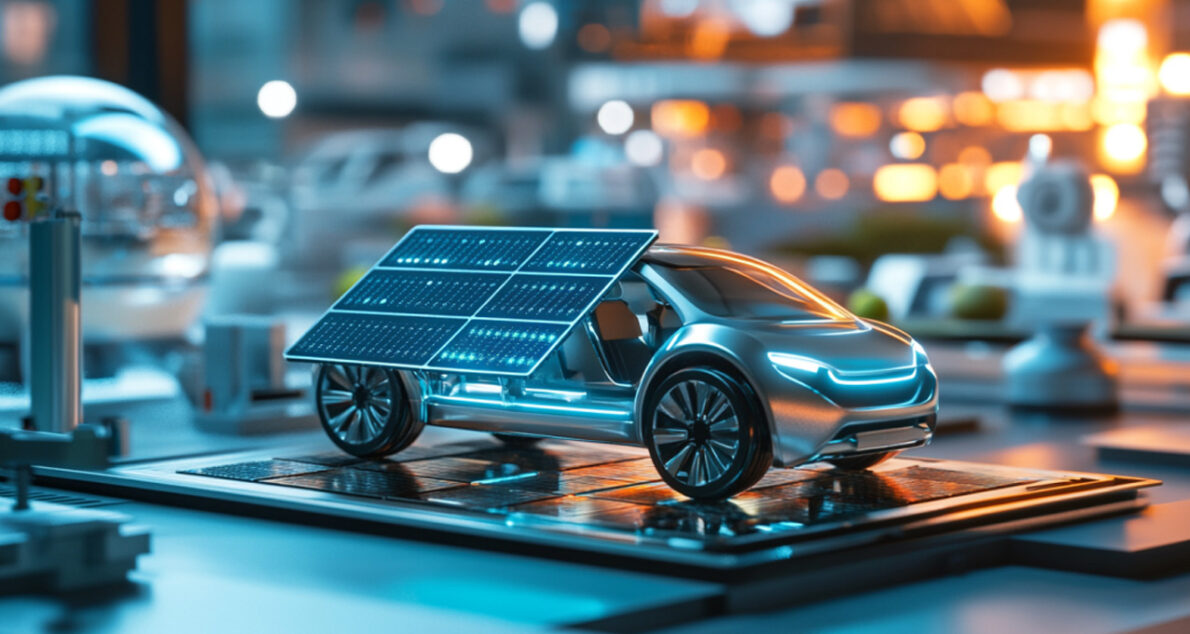

Perovskite Solar Supercell Created by Oxford University Scientists Promises a Revolution in Energy Generation with an Efficiency Superior to Traditional Solar Panels. Innovation May Change the Way We Use Solar Energy.
The era of solar panels may be numbered. A new discovery made by scientists at the University of Oxford promises to transform the future of energy generation.
This new material, with the potential to dramatically change the way we capture and utilize solar energy, fits in the palm of your hand and is made from a rare mineral, perovskite. But how can this small innovation threaten such a well-established technology?
What Is the Solar Supercell?
The answer lies in the creation of the so-called solar supercell, an ultrathin and flexible structure developed based on calcium and titanium oxides.
-
2,000-Year-Old Gold Rings Found with Human Bones in Thailand Reveal Rare Burial and Feature Ancient Indian Inscription

-
Lenovo Unveils Legion Y700 Tablet with RGB Backlighting, 5G, and SIM Card Support

-
World’s First Nuclear Hydrogen Unit Begins Operation: Copper-Chlorine Technology with Initial Capacity of 150 Liters per Hour, Aiming for 3,000 Liters per Hour
-
Mechanics Retrofit Old Fiat Uno with BYD Electric Motor for Silent, Low-Voltage Operation Reaching Nearly 60 km/h in Home Test



The genius of this innovation is its ability to absorb light more effectively, converting it into electrical energy in a surprisingly efficient manner. Unlike traditional solar panels, this supercell does not require large areas to function and can be attached to various surfaces, from everyday objects to buildings.
Potential to Replace Solar Panels
According to the team of researchers from Oxford, this technology has the potential to partially replace both electric batteries and traditional photovoltaic solar panels.
Imagine a future where your cell phone is charged by the case that protects it, or where electric cars receive energy directly from the roof. This is the scenario that this new solar supercell promises to create.
Revolutionary Efficiency
Efficiency is the key point of this technology. While conventional solar panels have limited energy conversion efficiency, the supercell, by “stacking” layers of the same light-absorbing material, achieves an effectiveness of 27%.
This is already considered a high value in the sector, and scientists believe it can reach 45% with further enhancements, double what is possible with current technology.
The Path to Commercialization
Despite all these promises, the technology will still spend several years confined to laboratories for refinement and cost reduction in production.
The popularization of this material depends on partnerships with industries willing to invest in manufacturing, as well as government incentives to enable large-scale production.
According to information from the University of Oxford itself, the future of energy may lie in the hands of those who dare to innovate.
And you, do you believe that traditional solar panels are numbered? Share your opinion in the comments!


Eu acredito sim, com certeza essa entoação trará muitos benefícios principalmente para carros elétricos..
Com tantas empresas boas de grande porte e isso ainda não as interessou, provavelmente nunca sairá da velha prancheta.
É melhor não falar e fazer do que ficar falando e fazendo nada.
Estão achando que o povo é ****
Escrevam a matéria corretamente. O que vai ser substituído não são os painéis solares mas sim o material de que eles são feitos. Sai o silício e entra a perovskita, o que vai permitir que um painel de mesmo tamanho produza mais energia.