






 Portuguese
  Spanish
  3 min of reading
  1 comment


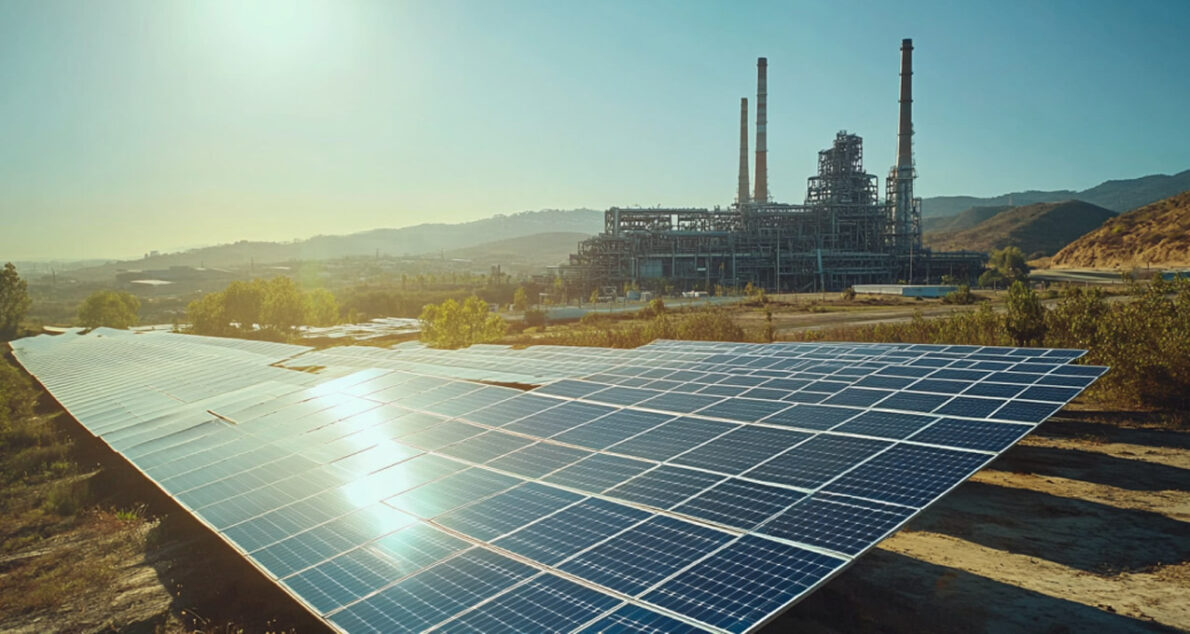

ArcelorMittal, the Largest Steel Producer in Brazil and One of the Largest in the World, Is Preparing a Bold Investment That Could Change the Renewable Energy Landscape in the Country.
With a billion-dollar investment earmarked for the construction of a solar plant in Minas Gerais, the company promises to revolutionize the production of clean energy in Brazil.
This move places the company at the forefront of sustainability and simultaneously creates a wave of job opportunities in the region. But what is behind this ambitious strategy? And how will it impact Brazil’s future in the energy sector?
Billion-Dollar Investment in Solar Energy
According to ArcelorMittal, the Parque Luiz Carlos, as the new plant is named, will have the capacity to produce 69 MW of average energy per year, enough to supply a city of 500,000 inhabitants.
-
Brazilian Joins Homeownership Consortium, Faces Decade of Dual Payments Totaling $141,000, Surpassing Traditional Mortgage

-
Land Rover to Halt Production in July, Putting 371 Jobs at Risk, as Chinese Automaker Negotiates to Convert Factory to 100,000 Vehicles Annually by 2027

-
Mexican Pest Threatens U.S. Cattle Herds at Historic Lows, Potentially Boosting Brazilian Beef Exports as Burger Prices Soar

-
Brazilian Freight Bill Progresses in Congress with $5,000 Minimum Wage, 70% Advance Payment, and Fines Up to $1 Million, as Agriculture and Industry Warn of Rising Costs and Legal Uncertainty


The detail is that all this energy will be directed exclusively to the company’s own operations. Today, ArcelorMittal is responsible for 42% of steel production in Brazil and is the fourth largest consumer of electricity in the country.
The president of ArcelorMittal Brasil, Jefferson de Paula, revealed that electricity is the seventh most significant item in the costs of a steel mill, with an annual bill ranging from R$ 1.8 to R$ 2 billion.
This explains the urgency to reduce dependence on purchased energy, especially in a sector that consumes colossal amounts of electricity.
The Socioeconomic Impact: More Jobs and Technological Innovation
The construction of the plant in Paracatu not only reinforces ArcelorMittal’s commitment to sustainability but also brings considerable economic boost to the region. With the creation of 930 direct jobs by the end of 2025, the project promises to transform the dynamics of the local job market.
In addition, the strategic partnership with Atlas Renewable Energy, a global giant in the sustainable energy sector, will be essential for the project’s execution.
The contract signed between the two companies foresees the creation of a joint venture, a commercial partnership during the construction of the solar park, with ArcelorMittal taking full control upon completion.
ArcelorMittal and Its Ambitious Decarbonization Goal
The investment is part of ArcelorMittal’s ambitious decarbonization plan, which aims to become a carbon-neutral company by 2050.
The interim goal is to reduce carbon emissions by 25% by 2030. According to Jefferson de Paula, investments in renewable energy are not limited to Minas Gerais. The company plans to inject R$ 5.8 billion into wind and solar energy projects across the country, with a focus also on Bahia.
Currently, around 55% of the energy consumed by the company is already generated internally, but with the new investments, this number is expected to jump to 85% in the next two years.
This strategic shift not only aligns ArcelorMittal with global sustainability trends but also positions it as an example of innovation within the steel sector.
Minas Gerais as a Leader in Solar Energy Production
ArcelorMittal’s investment in Paracatu is further evidence of Minas Gerais’ advancement as a leader in solar energy production in Brazil.
The state, which competes with São Paulo for the title of largest solar energy producer, is about to reach the mark of 9 GW of energy generation, nearly 20% of all national production.
“In a few days, we will announce the production of 9 GW in Minas, almost 20% of what Brazil generates,” stated the Secretary of State for Economic Development of Minas Gerais, Fernando Passalio.
This move by ArcelorMittal is not just a bet on clean energy but a clear strategy to reduce costs and ensure the sustainability of its long-term operations.
With the support of international partnerships and a strong commitment to innovation, the company positions itself ahead in an increasingly competitive and demanding sector.
But will this massive investment in renewable energy be enough to meet Brazil’s growing energy demands? And how will this change impact the end consumer?





É o peso da China,fala a verdade,reduzindo o custo produzindo a própria energia elétrica, se pode reduzir o preço do produto e ter+ compradores de seu aço, competindo de quase igual para igual com a China deixando as empresas genuinamente brasileiras para trans,falindo e demitindo ea lei do +inteligente