






 Portuguese
  Spanish


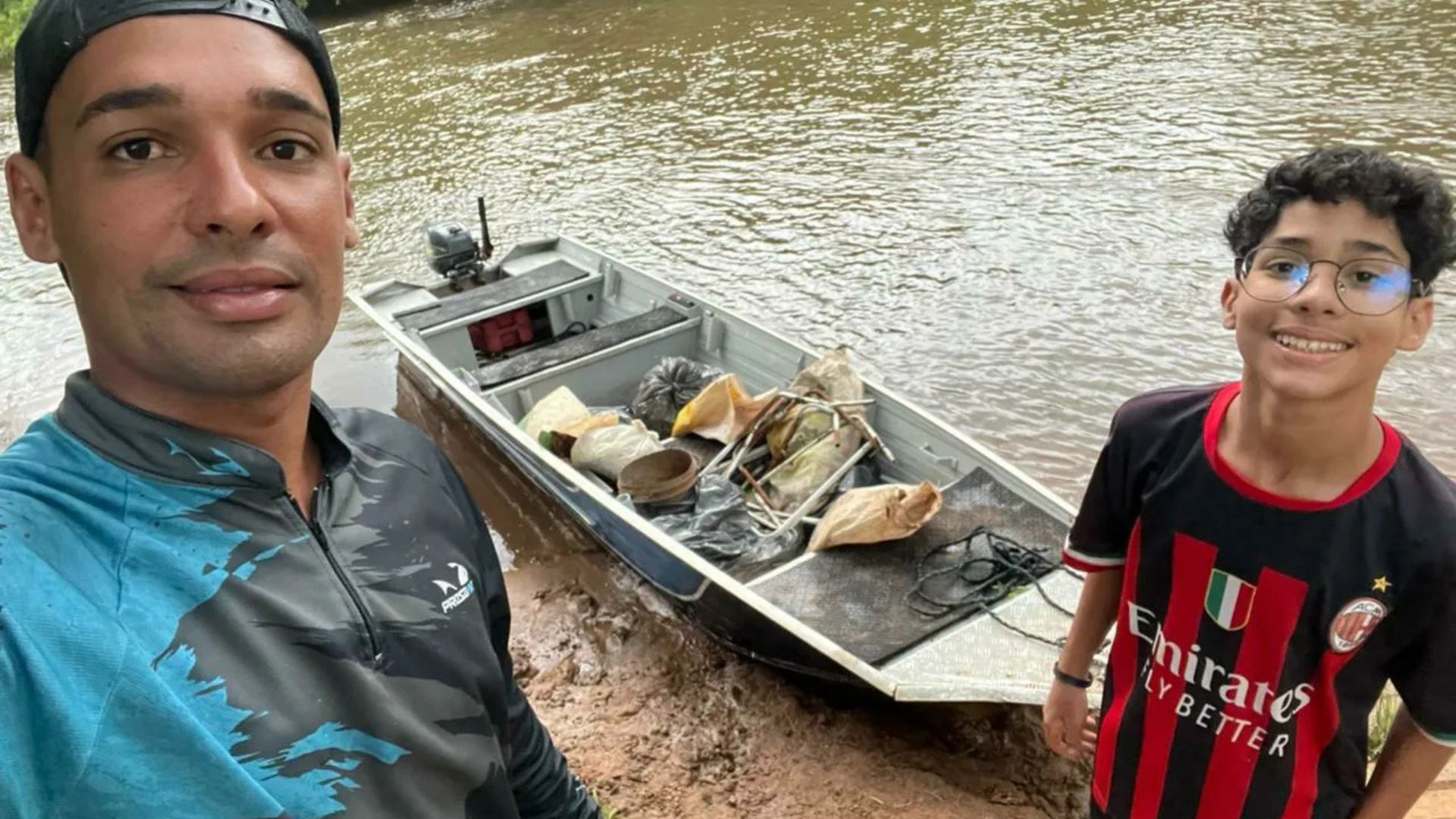


Volunteer Cleanup Along 50 Kilometers of the Sucuriú River Highlights Illegal Waste Disposal, Engages Residents of Costa Rica, and Reinforces Guidelines from the Environmental Military Police on Environmental Crimes, Preservation of Riparian Vegetation, and Fishing Regulations, Focusing on Environmental Education and Continuous Monitoring.
A resident known as Pedrinho and his son traveled about 50 kilometers of the Sucuriú River in Costa Rica with a direct goal: to collect accumulated garbage in the water and on the banks.
The volunteer cleanup, conducted along the route, became a topic of discussion in the town for highlighting the impact of illegal waste disposal on the water source and for reinforcing the alert about environmental crimes.
Along the way, the two collected various types of waste, such as plastic bags, beverage cans, and other materials discarded improperly.
-
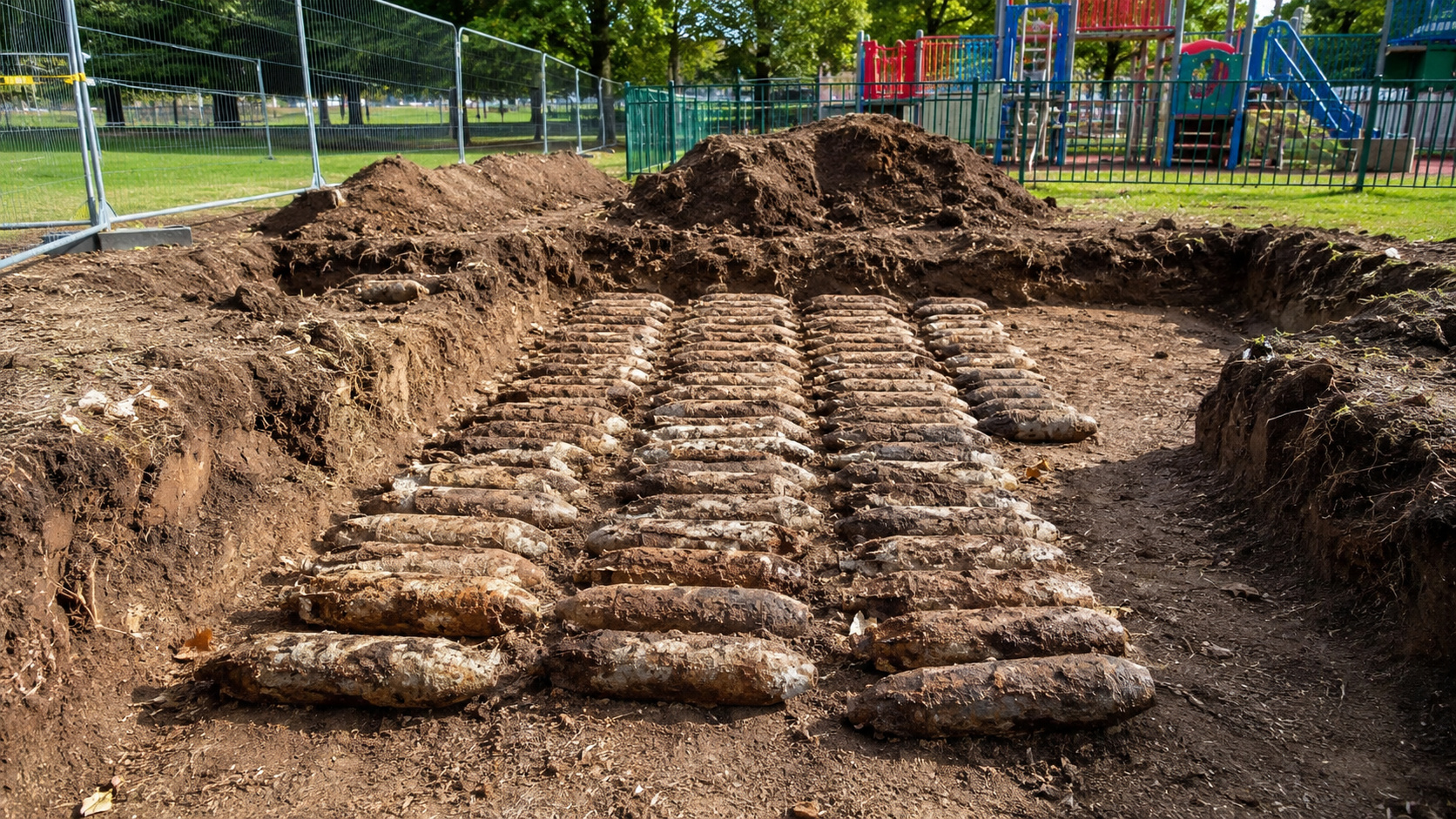
Workers renovating a playground in northern England uncover 176 World War II bombs buried underground; training artifacts still contained explosives.

-
Brazilian Architect Transforms Waste into Sustainable Homes with Solar Power and Rainwater Systems for 40 Years

-
Security Guard Becomes Doctor at Louisiana Hospital Where He Once Worked, Studied Chemistry Between Shifts

-
Woman Rescued from Luxury Complex in Brazil Worked Without Pay for 55 Years, May Be Entitled to Over $300,000



In addition to reducing the mess in the traveled section, the action drew attention from residents by showing how often the problem recurs, even in areas used for leisure and fishing.
Repercussions of the Environmental Action in Costa Rica
As the initiative gained local traction, the Environmental Military Police of Costa Rica took the opportunity to reinforce guidelines that are already part of their routine monitoring and prevention work in the municipality.

In an interview with the Jornal Todo Dia MS, Commander Sub-Lieutenant Borges stated that actions like Pedrinho’s complement the work of the corporation.
According to him, the PMA maintains regular activities aimed at protecting the river and surrounding areas.
What the Cleanup Revealed in the Sucuriú Riverbed
The journey of father and son revealed a scenario that many people only notice from a distance when they see packaging caught in vegetation or floating near the bank.
Along the route, the volume and variety of debris collected indicated that waste disposal occurs in a recurring manner, and not just at one isolated point in the river.
Part of what was collected, such as plastics and cans, is often associated with fast consumption in visitation areas.
Other materials discarded irregularly suggest abandonment of garbage in hard-to-remove locations, where the water ends up functioning as a vector for spreading pollution.
By bringing this picture to the center of the debate, the action served as a reminder that waste does not disappear when left in the environment.
It remains on-site, can accumulate, and over time, interferes with the quality of the water source and the safe use of natural areas.
Guidelines from the Environmental Military Police for River Visitors
The Environmental Military Police emphasized that the volunteer cleanup has an immediate impact, but that the reduction of the problem depends on constant changes in behavior.

In cases of waste disposal, the guideline is clear: throwing garbage in rivers, beaches, or highways is prohibited and can be classified as environmental crime, with the imposition of fines.
In practice, the recommendation is that visitors bring bags to carry their own waste and dispose of it only in appropriate locations.
The corporation reinforced that the responsibility does not end when the outing is over.
Fishers, bathers, and visitors must collect what they brought and avoid leaving leftovers in common use areas.
Preservation of Riparian Vegetation and Fishing Regulations
Another highlighted point was the protection of riparian vegetation, which runs along the banks and serves as a natural barrier against erosion and soil loss.
Since it is a permanent preservation area, degrading it through irregular interventions, poorly set up camps, or deforestation is prohibited.
In addition to reducing the river’s natural protection, removing this vegetation can contribute to siltation processes and harm the balance of the local ecosystem.
Regarding fishing, the PMA reinforced the need to adhere to the existing regulations, including:
- Closed seasons.
- Licensing requirements, when applicable.
- Only using gear permitted by law.
The guidance, as pointed out, is that any activity should comply with legislation, avoiding violations and contributing to species renewal.
Environmental Education and Continuous Monitoring

The Environmental Police also emphasized environmental education as a central tool for reducing irregularities.
The goal is to ensure that future generations can benefit from the region’s rivers.
The corporation’s assessment is that the more people understand what can and cannot be done along the shores of a watercourse, the less likely illegal practices will become common.
Still, the PMA reinforces that guidance does not replace monitoring.
Preventive work is complemented by control and oversight actions, focusing on environmental protection and compliance with the rules.
At the same time, the cleanup carried out by father and son was seen as a sign of community mobilization.
When residents take it upon themselves to collect waste along kilometers, they reduce visible pollution and send a message about caring for a collective natural heritage.
The repercussions of the case also reinforced a practical point.
Preservation does not solely depend on operations and fines, but on simple and repeated decisions, such as bringing back one’s own waste and respecting protected areas.
If a voluntary initiative can expose the problem in such a long stretch of the Sucuriú River, what else is needed for this care to become the norm among everyone who passes by the river?


