





 Portuguese
  English
  Spanish
  6 min of reading
  0 comments


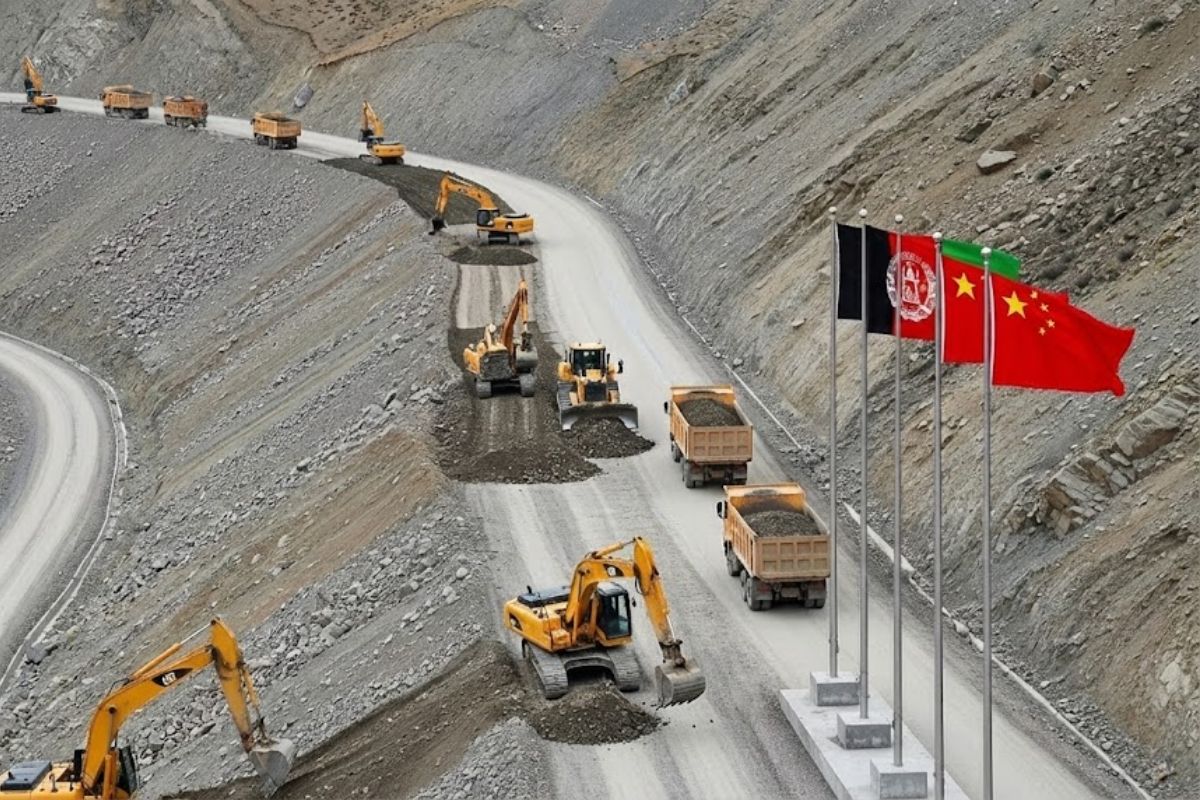
Road in Wakhan Advances in Badakhshan and Promises Direct Land Connection to Tashkuran in Xinjiang, With Over 70% Completed. The $369 Million Project has Already Consumed Over $90 Million and May Open in 2 to 3 Months, Shortening Routes from 15 to 25 Days to 5 to 7 Days.
The road in Wakhan has become the main geopolitical shortcut for Afghanistan to return to the map of regional trade after decades of war, instability, and lack of infrastructure. The corridor, in a mountainous and isolated area, is presented as a construction project that connects the Wakhan district in Badakhshan province to the Great Pamir, with the final destination in the border zone of Tashkuran in Xinjiang, in Chinese territory.
With the road in Wakhan, the promise is to change the time and cost of transporting goods between China and Afghanistan. Today, trade goes through long and expensive routes, such as the port of Karachi in Pakistan or through Central Asian countries. The new land connection aims to reduce this journey from 15 to 25 days to approximately 5 to 7 days, affecting competitiveness, investments, mining, and border security.
Why Wakhan Returned to the Center of Afghanistan’s Strategy

Afghan geography has always positioned the country as a point of connection between civilizations and trade routes, linking Central Asia, the Middle East, South Asia, and East Asia. This historical role has been diminished by wars, prolonged instability, and lack of adequate infrastructure, eroding Afghanistan’s capacity to transit goods and its weight in regional trade.
-
While Brazil has been discussing the Rio-São Paulo bullet train for 30 years, India drilled 14 km of rock at an altitude of 3,000 m and in June completed the largest bi-directional road tunnel in Asia.

-
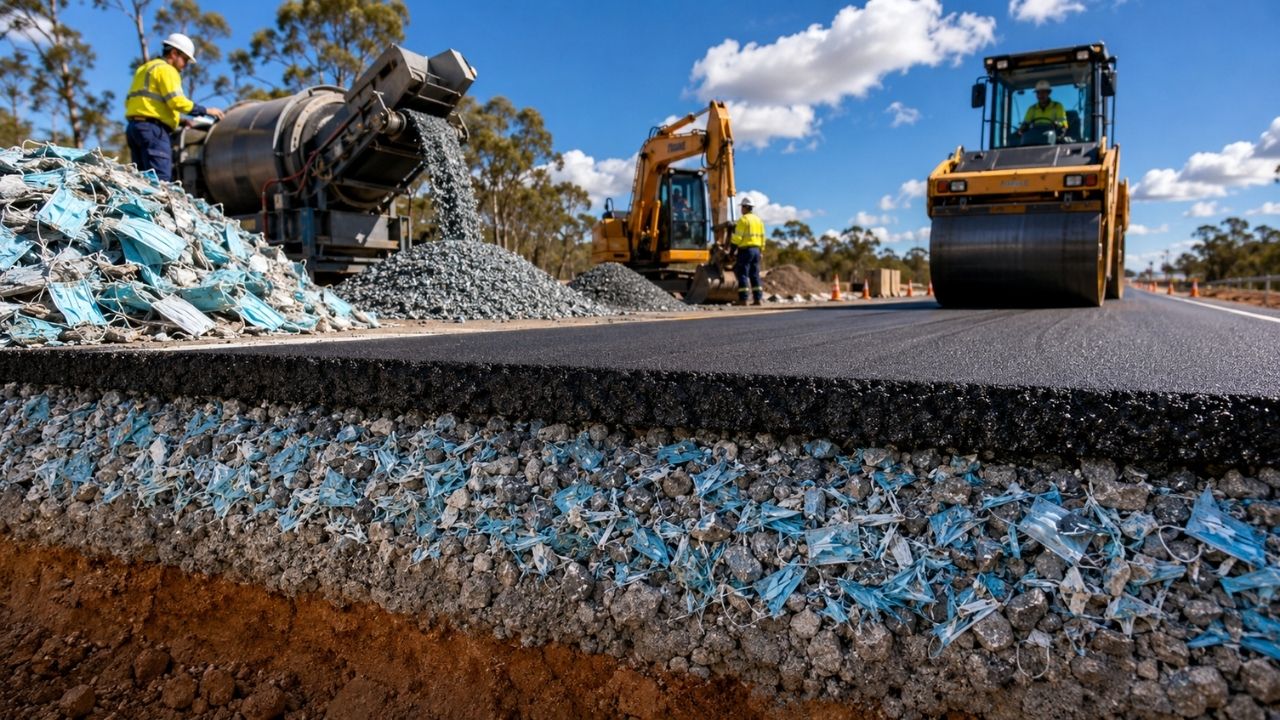
Disposable masks that would end up in the trash can become road base in Australia, where RMIT researchers mixed shredded PPE with recycled construction debris to create a material capable of using millions of units per kilometer of pavement.
-
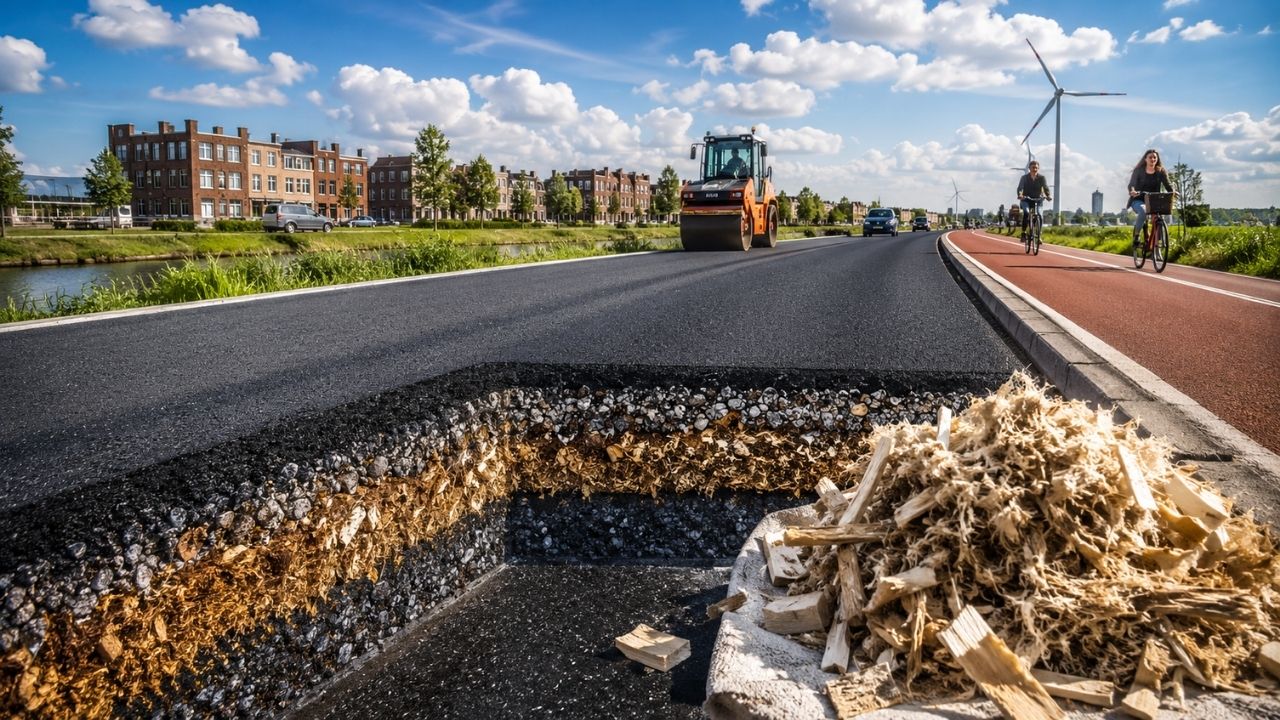
Forget conventional asphalt: The Netherlands is already testing roads with lignin capable of replacing half of the fossil bitumen, reducing CO₂ emissions by 30%, and transforming a paper industry waste into a plant-based binder for more sustainable and resilient pavements.
-
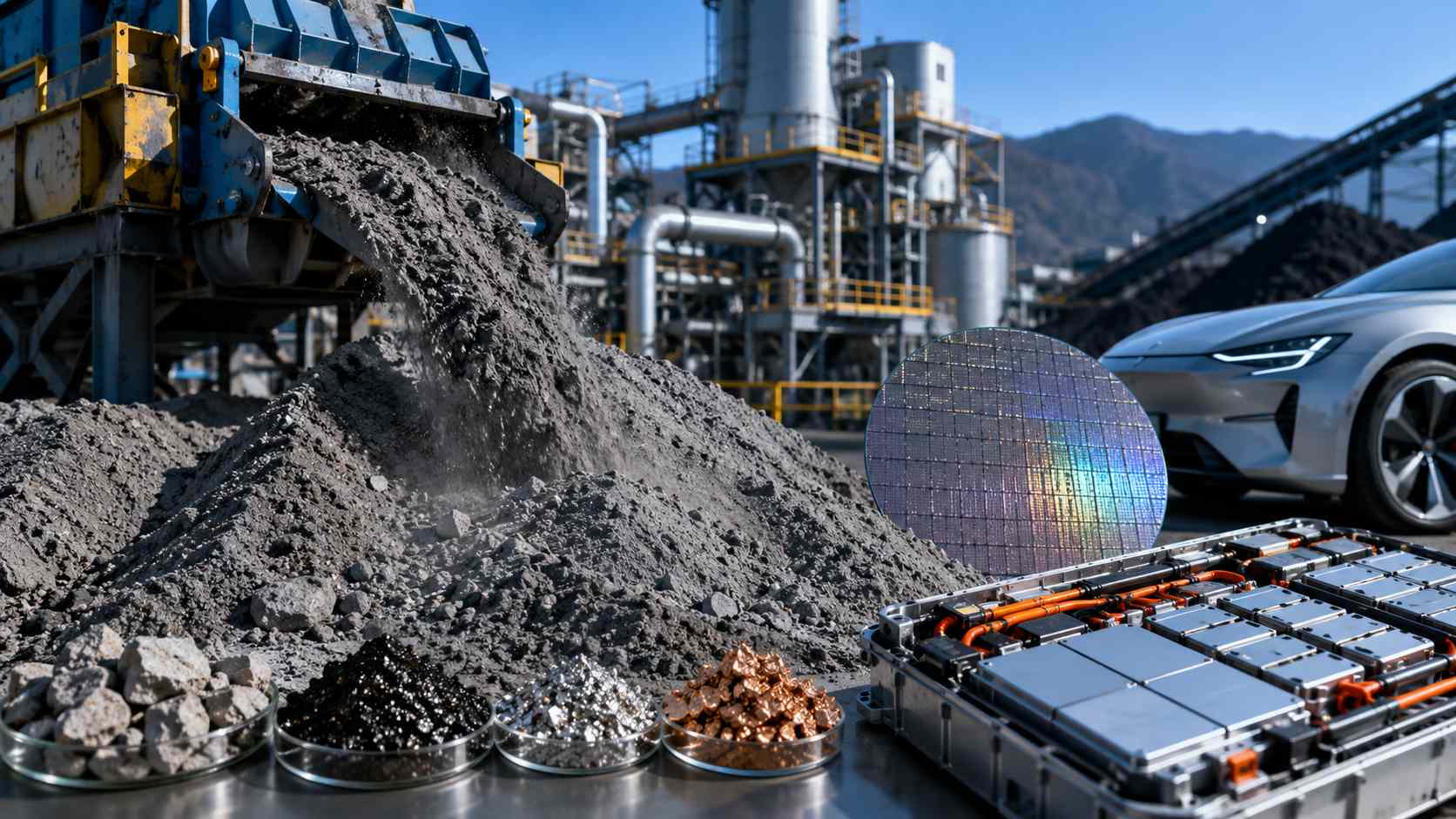
A material four times lighter than steel and twice as strong has just arrived at construction sites and may permanently retire the traditional rebar, with its structures lasting more than a century without needing a single maintenance.



The road in Wakhan emerges as an attempt to reclaim this corridor function. The central idea is simple: by creating a direct link to China, Afghanistan regains its own route for regional integration, reducing logistical bottlenecks and dependence on paths subject to political pressures and security risks.
Where the Project is Located and How the Route Connects Afghanistan and China

The project begins in the Wakhan District in Badakhshan and extends to the Great Pamir region, aiming to establish direct land connectivity to the border area of Tashkuran in China’s Xinjiang province.
This description reinforces the corridor nature: for the first time in Afghanistan’s contemporary history, the country could create a direct and fast land connection with China, without relying on routes mediated by third parties.
Status of the Work, Timeline, and Money Already Spent

Execution data indicates that more than 70% of the route has already been completed. The reported expectation is an official inauguration in 2 to 3 months, signaling a final stage of construction and operational preparation.
The initial budget for the project is approximately 369 million afghanis, with implementation under the supervision of the Afghan National Defense Ministry. There is also a reported amount already disbursed: over $90 million is said to have been spent on construction and equipment, suggesting that the execution has entered a heavy phase of expenses before delivery.
The Logistical Impact: from 15 to 25 Days to 5 to 7 Days


The most direct economic argument is the compression of transportation time. Current trade between Afghanistan and China is described as dependent on long and costly routes, such as Karachi in Pakistan or corridors via Central Asia, which, in addition to cost, also face political and security challenges.
With the road in Wakhan, the transport journey of goods from China to Afghanistan would fall from 15 to 25 days to about 5 to 7 days. This reduction affects inventory costs, predictability, risk of disruption, and regional competitiveness, especially in markets where speed of delivery defines the final price.
Bilateral Trade: What Afghanistan Wants to Export and Import
The new link aims to increase the competitiveness of Afghan products and simplify goods flows. Afghanistan is described as capable of exporting raw materials, precious and semi-precious stones, agricultural products, and other commodities directly to China.
On the other side, Chinese imports would include industrial, technological, and consumer goods, now arriving faster and with lower logistical costs, altering local supply chains and the price of access to manufactured products.
Mining: Why the Road in Wakhan May Attract Chinese Investment
Mining appears as a sensitive and high-potential sector. The text indicates that Afghanistan is among the richest territories in the world in mineral resources, and that the accessibility generated by the road in Wakhan is expected to encourage Chinese companies to increase investment in extraction and related industries.
The logic is that logistics and predictability are prerequisites for intensive mining. If the route reduces time and risk, the cost of operation falls, making extraction projects more attractive to external capital.
Geopolitics: Less Dependence on Pakistan and Integration into China’s Regional Network
From a geopolitical perspective, the road in Wakhan is described as a historic achievement. China seeks networks of transport and trade corridors on a continental scale within the Belt and Road Initiative, forming webs of roads, railways, and logistical hubs across Asia and beyond.
For China, Wakhan is presented as more than a trade corridor. It also reduces dependence on routes via Pakistan and costly paths through Central Asia, providing direct access to Afghanistan. For Afghanistan, the corridor is described as an opportunity to reduce reliance on traditional routes and consolidate its position as a link between China, Central Asia, and South Asia, strengthening regional economic and political weight.
Border Security: Customs Centers, Protection Belt, and Monitoring Infrastructure
The security dimension is treated as one of the most important aspects of the project. China pays special attention to protecting its western border due to the sensitivity of Xinjiang and concerns regarding extremist group activities.
The road in Wakhan is described as a security belt managed through cooperation between the Islamic Emirate of Afghanistan and the Chinese government. In joint plans, customs and security centers would be installed on both sides of the border, with investment in communication infrastructure, including fiber optics and monitoring stations, to ensure complete security of the route.
For Afghanistan, this cooperation may reduce border threats, prevent infiltration by extremist groups, and increase stability in the northeastern provinces. At the same time, the Chinese presence as a strategic partner alters the balance in Afghanistan’s relations with its neighbors, creating a new external foothold.
Social Effect in Badakhshan: Employment and Integration of a Poor Region
The project is also presented as a vector for social and development purposes. The construction creates local jobs during the works and is expected to continue generating work after the road goes into operation, with transport, logistics, support, and border control services.
The province of Badakhshan, and especially the Wakhan district, is described as one of the poorest and most marginalized regions of Afghanistan. Integration into regional trade is pointed out as a way to accelerate development and social well-being by connecting isolated areas to goods flows, demand, and investment.
The road in Wakhan places Afghanistan at a rare turning point: direct land connection with China, over 70% of the work completed, a budget of 369 million afghanis, spending of over $90 million, and the promise of inauguration in 2 to 3 months. If it meets the goal of reducing routes from 15 to 25 days to 5 to 7 days, the corridor impacts trade, mining, Chinese investment, and border security, repositioning the country on the regional chessboard.
Do you think the road in Wakhan will weigh more on trade and mining or on border security and Afghanistan’s geopolitical balance?




-

-

-

-

14 people reacted to this.