Portuguese
  Spanish


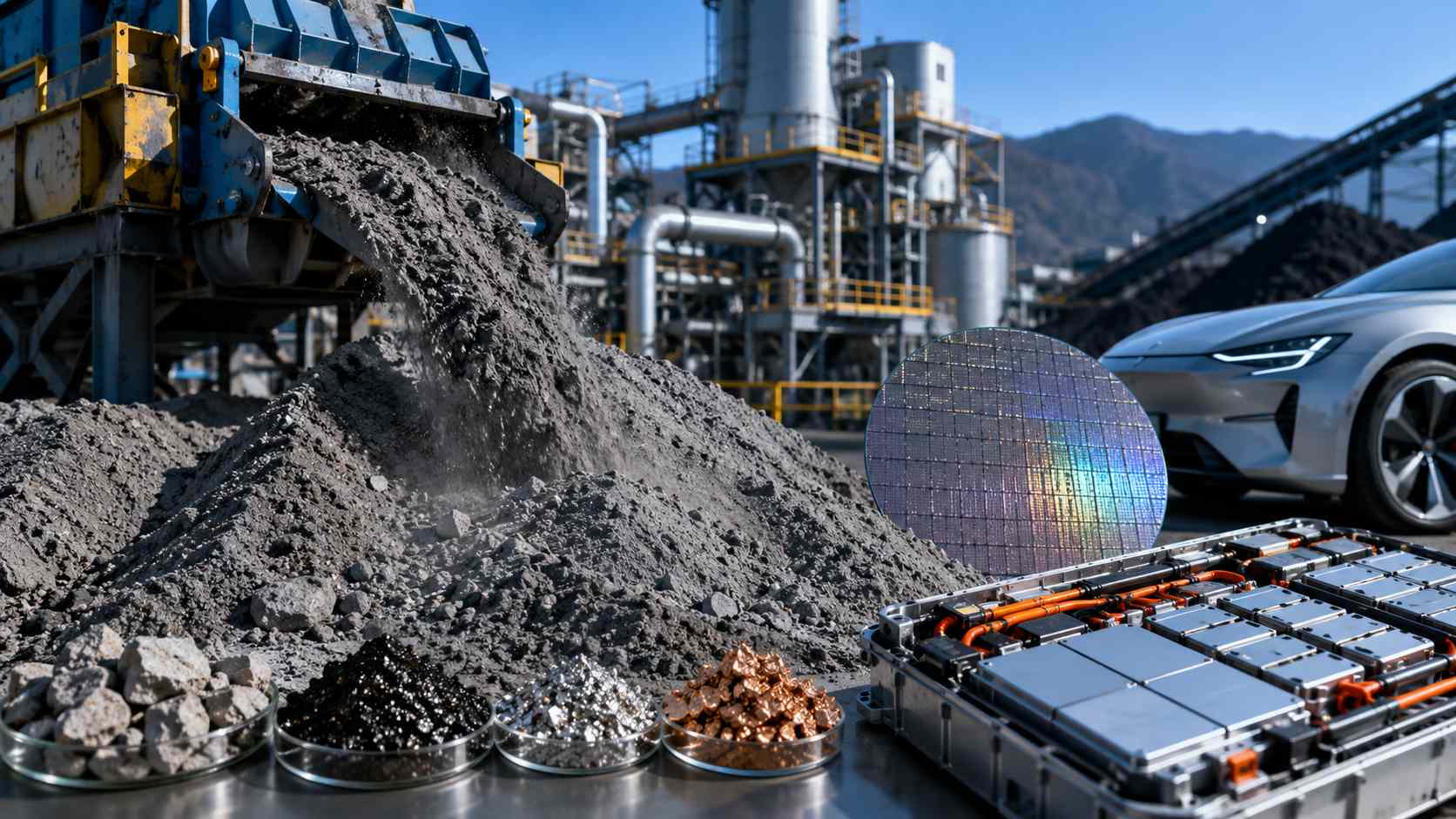

Report indicates that China can reuse fly ash and gangue from the coal chain to recover germanium, aluminum, lithium, and gallium, metals used in strategic sectors such as batteries, semiconductors, optics, engines, and military applications.
China can transform coal waste into a new source of critical metals, such as germanium, aluminum, lithium, and gallium, by reusing fly ash and gangue generated by its extensive mining, burning, and industrial processing chain.
Coal waste can become a source of critical metals
The new report argues that coal should not be seen only as fuel. Its remnants concentrate small traces of metallic elements, now sought after by sectors related to semiconductors, batteries, optics, engines, and military applications.
Among the materials mentioned are fly ash, formed after coal burning, and gangue, a rock without energy value that usually accompanies the ore during extraction. Both generally end up piled, discarded, or partially used in construction.
-
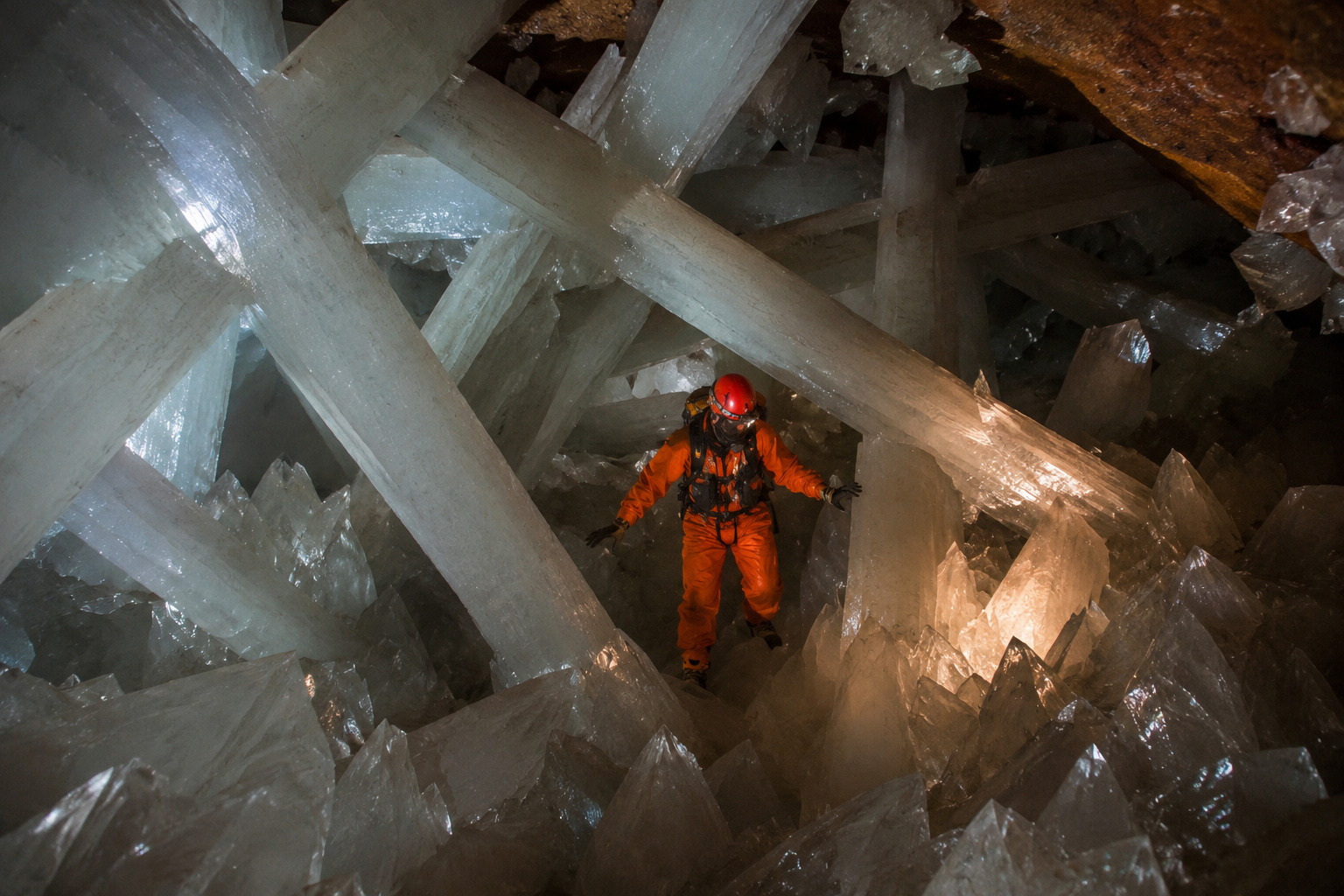
Mexico’s Giant Crystal Cave: A Deadly 58°C Underground Palace with 11-Meter Crystals Formed Over Nearly a Million Years

-
China Dominates Over 90% of Rare Earth Refining, Prompting Global Concerns: Canada and Japan Launch Billion-Dollar Plan to Reduce Dependency and Safeguard Batteries, Semiconductors, and Defense

-
Ancient Mines in Spain Reveal Tools and Metals That May Explain Bronze Age Trade with Scandinavia
-
XCMG Launches 240-Ton Mining Truck in Brazil, Promising Increased Productivity with Lower Fuel Consumption


Dai Shifeng, a member of the Chinese Academy of Sciences and professor at the China University of Mining and Technology-Beijing, states that coal waste contains various metallic elements and can become an important source of critical supply.
China already has the structure for industrial reuse
The proposal gains weight because China has a large supply of coal, a significant volume of waste, and an already established industrial base. Production lines, washing, chemical processing, and power generation could serve as a starting point to recover resources.
The report assesses that this infrastructure creates conditions to adapt existing facilities, without starting from a completely new chain. Another relevant factor is the concentration of waste in industrial areas, which facilitates the logistics of processing.
The recovery of these metals also fits into China’s effort to reduce dependence on imports and integrate supply chains. For electric vehicle, battery, and electronics industries, any additional source can enhance production security.
Economic potential depends on the composition of the ashes
The main challenge lies in the chemical variation of coal. Each mine has its own geological conditions, and the presence of metals can vary greatly from one region to another, making extraction uneven and difficult to standardize.
In plants, coals from different origins can be mixed. As a result, one batch of fly ash may concentrate gallium, while another may present a much lower quantity, affecting predictability, scale, and economic viability.
Even so, the report maintains that the high demand linked to the new energy industry makes the extraction of critical metals from coal promising. China’s experience with germanium serves as a basis to expand the recovery of other elements in future stages of advanced mineral processing.