






 Portuguese
  Spanish


Change in consumer behavior is expected to reduce global volumes, pressure big brands, and open space for emerging markets
A major impact projection for the global beverage industry was recently released by IWSR, a company specializing in sector analysis. The survey, published in June 2026, indicates that global alcohol consumption is expected to decrease over the next decade, even with the growth of the legal drinking age population. The forecast points out that global volumes should continue to decline until 2031 and, after that, show a slow recovery. Even so, in 2035, consumption is expected to remain about 1% below the levels recorded in 2025. This movement demonstrates that the industry is undergoing a structural reorganization, influenced by new habits, budget pressure, and greater attention to health.
Technical review reveals change in global consumption
The IWSR research shows that the decline in alcoholic beverage consumption does not depend solely on economic factors and, therefore, signals a broader transformation in consumer behavior. After all, part of the public is reducing excesses, choosing specific consumption occasions, and seeking alternatives more aligned with well-being. Furthermore, the rising cost of living limits spending on products considered non-essential, which directly affects beverages such as beer, wine, and spirits. The increasing use of weight loss medications also appears as a relevant factor, as it can influence alcohol-related habits. Thus, traditional beverages are expected to lose volume in the coming years, while new options gain ground.
Direct impacts on major markets
The contraction is expected to be stronger in consolidated markets, according to the IWSR projection. China and the United States are expected to register a decline of over 18% in consumption by 2035. Germany, Japan, and the United Kingdom are also expected to show a significant reduction in the volume of alcoholic beverages. This scenario indicates that countries historically important to the sector may have less weight in global growth. Therefore, the industry is expected to face a more competitive environment, with more selective consumers and less dependence on traditional brands.
-
Workers renovating a playground in northern England uncover 176 World War II bombs buried underground; training artifacts still contained explosives.

-
Brazilian Architect Transforms Waste into Sustainable Homes with Solar Power and Rainwater Systems for 40 Years

-
Security Guard Becomes Doctor at Louisiana Hospital Where He Once Worked, Studied Chemistry Between Shifts

-
Woman Rescued from Luxury Complex in Brazil Worked Without Pay for 55 Years, May Be Entitled to Over $300,000




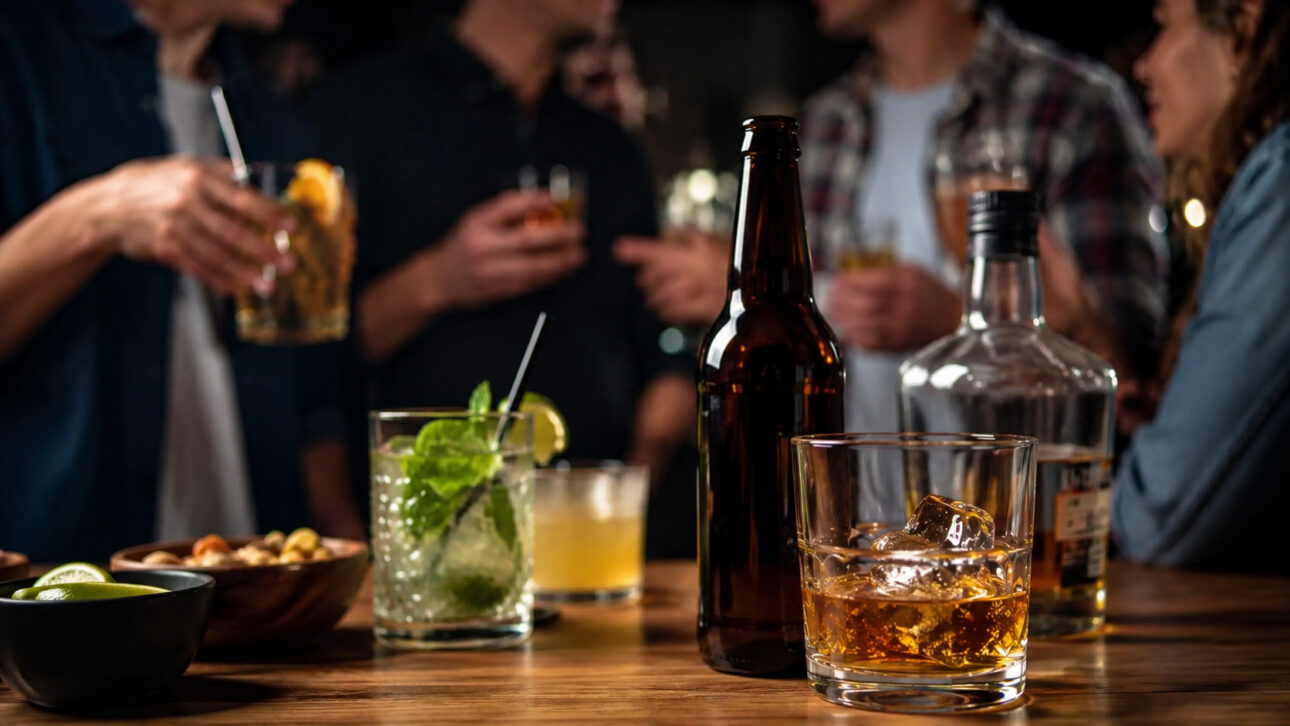
New markets gain strength in the next decade
Despite the decline in major consumer centers, some countries are expected to move in the opposite direction. India, for example, is set to become the second-largest alcohol market in the world by 2032. Mexico, Vietnam, and Colombia also appear as markets with greater expansion potential. This advancement shows that the industry’s growth is likely to shift to emerging regions. Thus, global companies can focus commercial strategies on countries with increasing income, urbanization, and higher demand for industrialized beverages.
Industry Already Feels the Effects of Change
Since 2023, major alcoholic beverage manufacturers have faced difficulties in sales and market value. Companies like Diageo and Anheuser-Busch InBev have already been pressured by this new consumer environment. Consequently, the sector has started to pay more attention to changes in consumer behavior. Meanwhile, alternative categories, such as ready-to-drink canned cocktails, are expected to gain ground. This format caters to consumers seeking convenience, variety, and different experiences within the beverage market.

Moderate Consumption Redefines Strategies
The projected decline does not mean the end of the alcoholic beverage industry. In practice, the survey points to a transformation in how people consume alcohol. Consumption tends to be more moderate, more planned, and more influenced by health and income factors. Brands should adapt portfolios to meet consumers seeking different products, smaller volumes, and new consumption occasions. This movement reinforces the need for innovation, repositioning, and attention to emerging markets.
The Future of the Beverage Industry Until 2035
The IWSR projection places the next decade as a transition period for the global alcohol sector. Major markets are expected to lose strength, while emerging countries may gain relevance. At the same time, the pursuit of health, economy, and convenience is expected to reshape consumption habits. In this scenario, the alcoholic beverage industry is likely to face less volume, more segmentation, and greater competition for consumers. The change, therefore, does not eliminate the market but redefines where, how, and why people consume alcohol.
Do you believe that the decline in alcohol consumption will be more influenced by health concerns or the rising cost of living?


