






 Portuguese
  Spanish


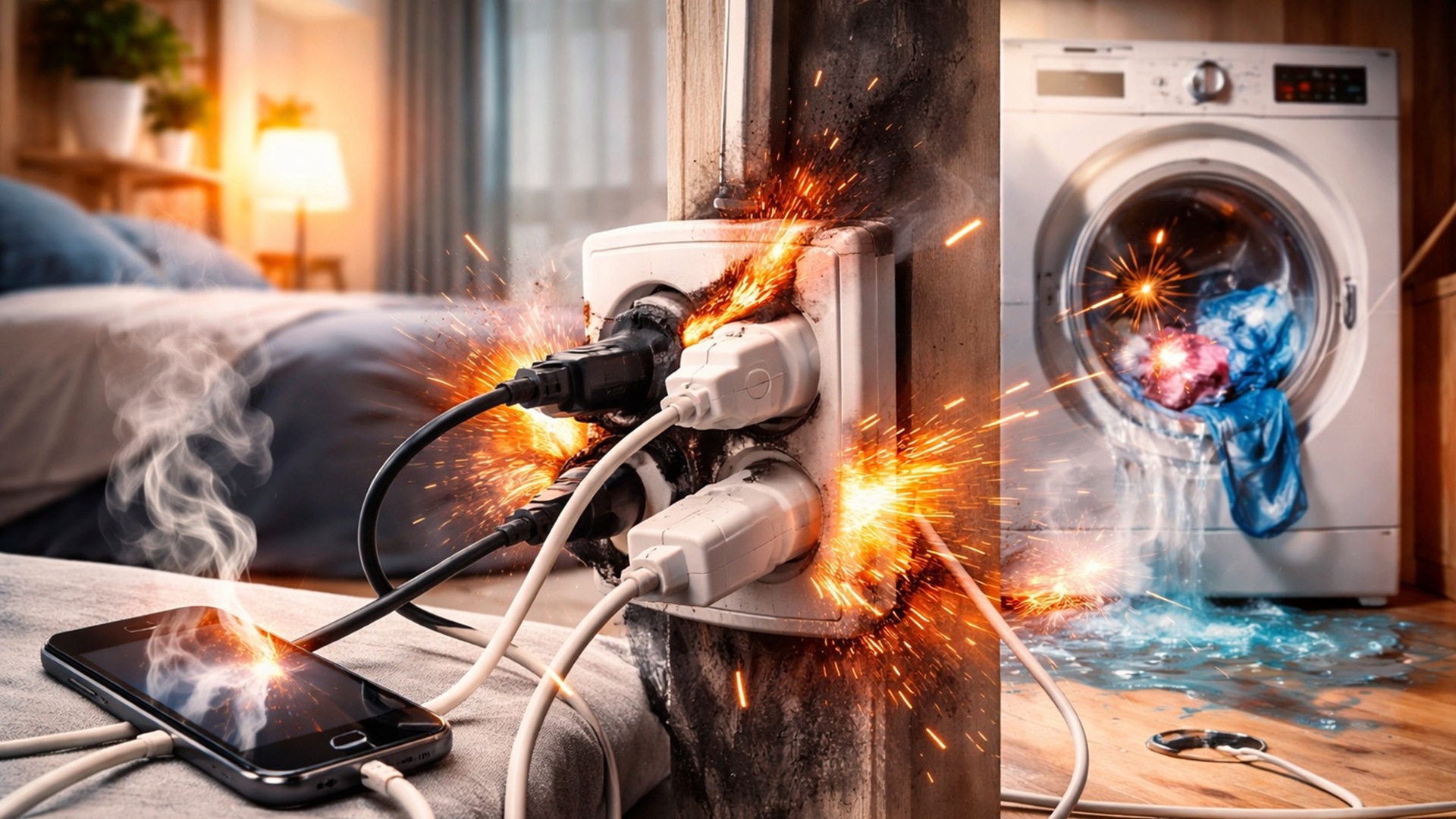

With a 7.5% Increase in Electrical Accidents in the First Half of 2025, Totaling 1,168 Incidents in Brazil and 110 in Minas Gerais, with 17 Electric Shock Deaths, Cemig Warns of Five Electrical Risks at Home Often Ignored by the Population
Cemig warned that electrical risks present in daily routines contributed to 1,168 accidents in Brazil in the first half of 2025, a 7.5% increase, according to Abracopel, including 110 cases in Minas Gerais and 17 deaths from electric shock.
Electrical Risks Increase and Worry Sector Authorities
Electricity is present in almost all daily activities. Cemig reports that many electrical risks are underestimated because they are part of routine, which helps explain the alarming numbers of accidents in the country.
According to the Brazilian Association for the Awareness of Electrical Dangers (Abracopel), 1,168 electrical accidents were recorded in Brazil in the first half of 2025. This number represents a 7.5% increase compared to the same period in 2024.
-
Workers renovating a playground in northern England uncover 176 World War II bombs buried underground; training artifacts still contained explosives.

-
Brazilian Architect Transforms Waste into Sustainable Homes with Solar Power and Rainwater Systems for 40 Years

-
Security Guard Becomes Doctor at Louisiana Hospital Where He Once Worked, Studied Chemistry Between Shifts

-
Woman Rescued from Luxury Complex in Brazil Worked Without Pay for 55 Years, May Be Entitled to Over $300,000




In Minas Gerais, the survey shows 110 accidents in the semester, with 17 deaths resulting from electric shock. In light of this scenario, Cemig highlights five common situations viewed as harmless but that pose real electrical risks to families’ safety.
Removing Clothes from the Plugged-In Machine Increases Electrical Risks
Damp environments significantly increase the risk of electric shock. Removing clothes from a washing machine still plugged into the outlet can cause discharges, especially if there are grounding failures or absence of the RCD, mandatory in wet areas.
Recently, there were fatal accidents under these circumstances in Bahia and Santa Catarina. The combination of water, electricity, and installation failures increases electrical risks and exposes residents to potentially fatal situations.
Use of T’s and Multiplugs Overloads Installation and Increases Electrical Risks
Overloading outlets is identified as one of the main causes of residential fires. Multiplugs and T’s put pressure on the electrical installation, heat wires, and can cause short circuits.
This practice is common in Brazil, but it requires an urgent change in habit to prevent accidents. Overloading contributes to increased electrical risks within homes and can result in material damage and injuries.
Charging Cell Phones and Old Installations Increase Electrical Risks
The use of cell phones and tablets while charging exposes users to electrical risks and overheating of the device. The danger increases when charging occurs near fabrics such as sofas, beds, and curtains, which facilitate the spread of fires.
Not checking whether the network can handle the power of showers, microwaves, air fryers, air conditioners, and heaters also increases electrical risks. Inadequate installations can cause excessive heating of wiring and lead to fires.
A large portion of accidents occurs in homes with aging wiring and without periodic inspection. With the increase in electrical devices in homes, old installations can no longer support the necessary load.
Wires and cables that are below standard, often of poor quality, exacerbate the risk of shocks and fires, a problem identified by Abracopel as one of the main causes of the increase in these occurrences.
According to the Corporate Health and Safety Manager at Cemig, José Firmo do Carmo Júnior, prevention involves simple habits such as periodically reviewing the electrical installation, avoiding improvisations, using certified equipment, installing the RCD, and relying on qualified professionals for any electrical intervention.
“Safety in the use of electrical energy is not a one-time act. It is a habit that saves lives,” reinforces José Firmo do Carmo Júnior.
Source: CEMIG


