






 Portuguese
  Spanish


Brazilian Economy Faces Domestic Challenges That Pressure The Exchange Rate: Recent Statements From President Lula May Have Correlation?
The recent surge of the dollar has brought the American currency to its highest level in more than two years, approaching R$ 5.70. An econometric study reveals that over 80% of this depreciation of the real in the first half of 2024 is attributed to domestic factors. According to economist Livio Ribeiro, author of the model that analyzes the formation of the dollar price, Brazil is not facing a speculative attack, but rather a rapid shift in levels due to an increased perception of the country’s risk, according to cnnbrasil.
What Is Driving The Dollar Rise?
To understand the causes of the dollar’s rise, Ribeiro uses a model that considers six main variables: the daily exchange rate, the CDS (country risk measure), the DXY (dollar index against a basket of currencies), the CRB (commodity price index), the 10-year U.S. Treasury yields, and the interest rate difference of one year between American and Brazilian rates.
According to the model, from December 29, 2023, to July 1, 2024, the dollar appreciated by 4.5% against the major currencies in the world (DXY). However, this increase was much more pronounced against the real, highlighting that internal factors were the main drivers of the depreciation. Ribeiro states that 82.16% of the dollar’s increase during this period is due to domestic issues, while external factors contributed 26.43% to the rise.
-
Corn ethanol attracts R$ 23 billion in 21 new plants and prepares for a nearly 50% jump in Brazilian production by 2027, even with high interest rates.

-
A newly opened terminal in the middle of the Amazon has begun transporting soy and corn through Amapá, eyeing the queue of ships that is congesting the ports in the South.
-
Tesla injected an additional $250 million into the German factory, doubled the battery cell target, and opened its own production line for startups.
-
A 180-meter ship with a deck the size of a football field was christened to carry 25,000 tons of giant energy modules around the world.


Impact Of Statements And Government Policies
Ribeiro explains that the model does not identify the exact root of the exchange rate movement, but points to a clear correlation with recent statements by President Lula and the economic policies adopted. The rapid deterioration of the fiscal situation and Lula’s frequent criticisms of the Central Bank’s monetary policy have heightened the perception of risk among investors.
The Minister of Finance, Fernando Haddad, also acknowledged that the noise generated by government communications has contributed to the rise of the dollar. He argues that clearer and firmer communication about the autonomy of the Central Bank and the commitment to the fiscal framework can help reassure the market.
Comparison With Other Emerging Currencies
In a global context, the real was the currency that depreciated the most among twelve emerging economies in the first half of 2024, with a decline of 15%. This depreciation is significantly higher than the average of 4.4% recorded by other currencies in the bloc, such as the Argentine peso, the Turkish lira, and the Mexican peso.
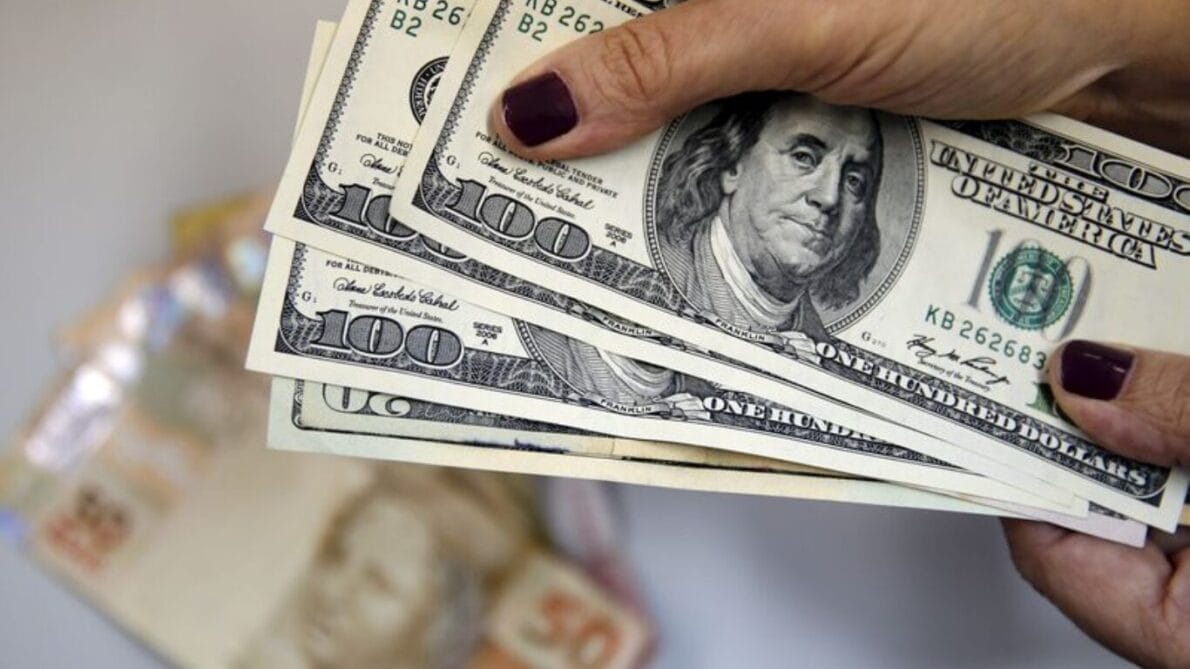
Economist Márcio Holland from FGV-EESP attributes two-thirds of this depreciation to internal problems, including the loosening of the fiscal target for 2025 and 2026 and President Lula’s constant criticisms of the Central Bank. In the international scenario, the maintenance of high interest rates in the United States has also pressured the currencies of several countries.
Strategies For The Future
In light of this situation, there is growing pressure for the Central Bank to intervene in the currency market. However, the bank’s signals indicate that now is not the time for such action, as there is neither market dysfunction nor lack of liquidity.
Livio Ribeiro agrees with this cautious approach. He argues that if the Central Bank treats the situation as a dysfunction, it could trigger a true speculative attack. Instead, he suggests that the bank should remain calm and avoid hasty reactions.
Meanwhile, the government needs to adjust its communication and demonstrate a clear commitment to economic stability and the autonomy of the Central Bank. Only then will it be possible to reduce the perception of risk and stabilize the real against the dollar.


