






 Portuguese
  Spanish


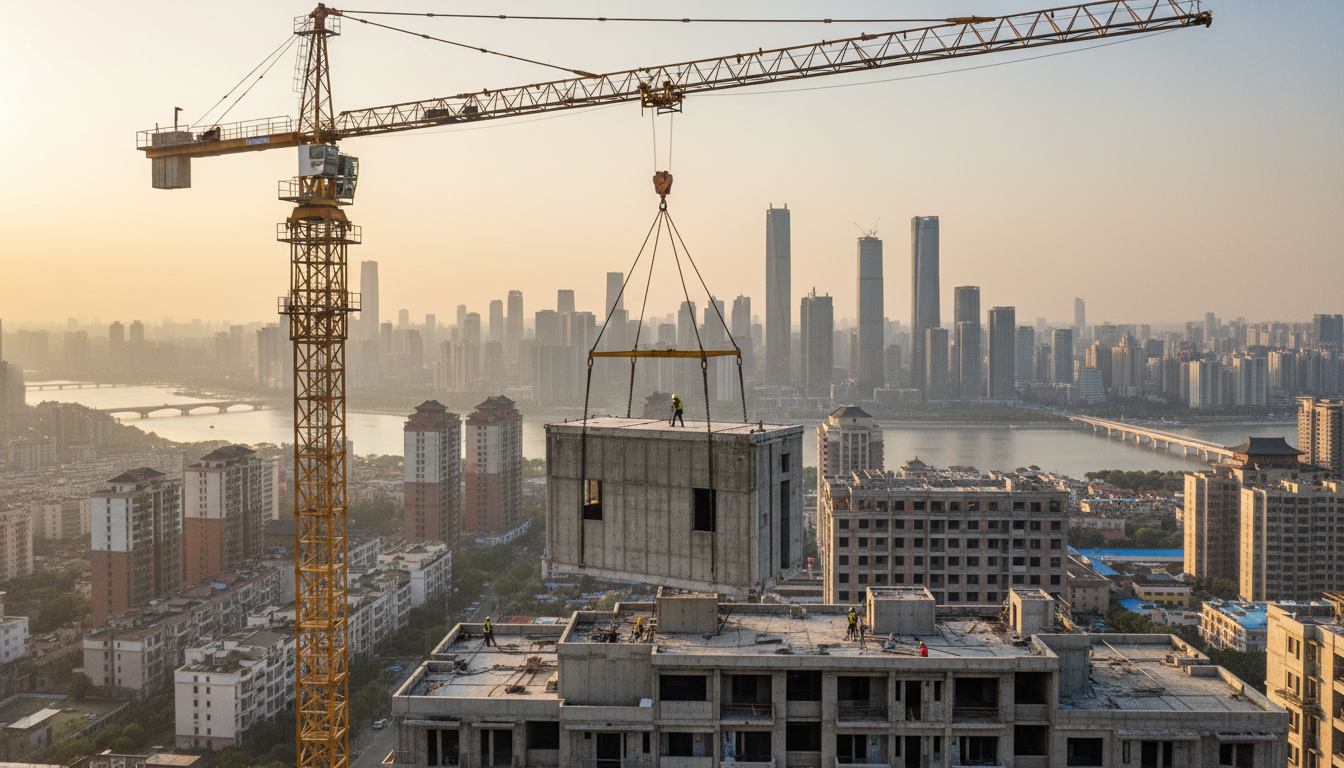


Broad Group raises 10-story building in Changsha with Living Building system: prefabricated concrete modules arrive factory-ready and are stacked like Lego pieces — concrete curing occurs before assembly
The Chinese company Broad Group has erected a 10-story building in 28 hours and 45 minutes in the city of Changsha. This achievement challenges everything we know about construction.
The modules arrive factory-ready. Each floor is a complete piece — with walls, flooring, electrical and plumbing installations.
On-site, it is simply a matter of stacking the modules, bolting them together, and connecting water and electricity. It’s like assembling Lego on a full scale.
-
China’s Engineered Bamboo: The “Material of the Future” Stronger Than Steel and a Sustainable Wood Alternative

-
Egypt’s “New Nile”: 170 km Artificial River Aims to Turn Desert into Farmland, but Water Supply Concerns Loom
-
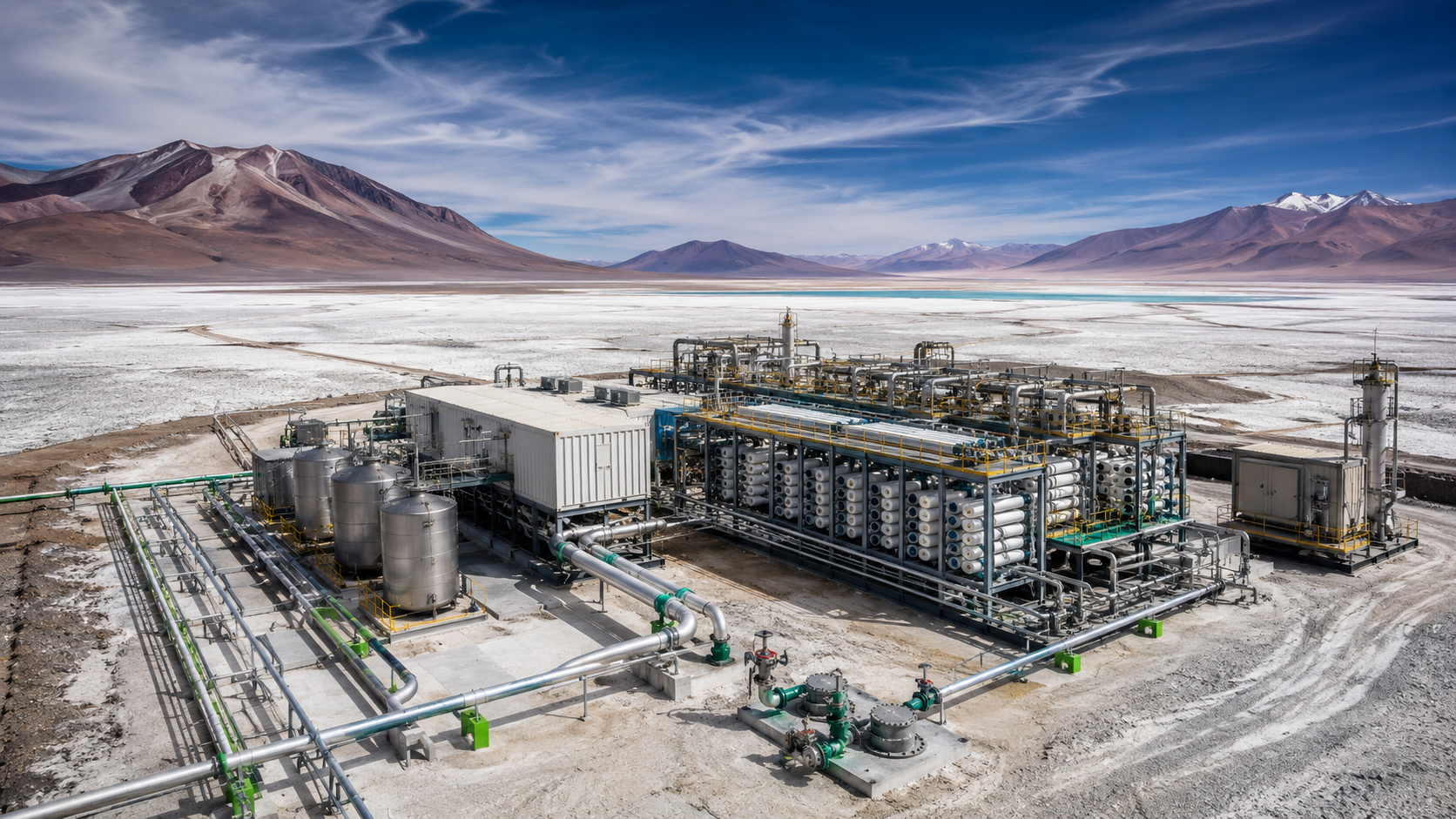
Eni Acquires 25% Stake in Chilean Lithium Project, Plans to Invest Up to $225 Million in Eco-Friendly Extraction Method
-
Unable to secure a mortgage as a self-employed single mother, she designed her own floating home from a 20-meter boat and now lives “off-grid” with her two children and solar panels on an English canal.



The curing of concrete — an essential step to ensure strength — takes place in the factory, not on-site. This is crucial for speed.
Broad Group has been developing the Living Building system since 2009. The technology promises lower energy consumption and better indoor air quality.

How to build a building in 28 hours
The process begins weeks in advance at the factory. Each module is manufactured with precast concrete and steel reinforcement.
The concrete cures under controlled conditions. Temperature, humidity, and time are monitored to ensure maximum strength.
The modules have standardized sizes. This allows for mass production and predictable logistics.
On-site, cranes position the modules on top of each other. High-strength bolts secure them in place.
After stacking, technicians connect the water, sewage, and electricity networks. The assembly is mechanical, not artisanal.
In Brazil, a 10-story building takes on average 18 to 24 months. The difference is over 600 times.
The Living Building system
Broad Group claims that the Living Building consumes less energy than conventional buildings worldwide.
The system also ensures better indoor air quality. The modules come with integrated thermal insulation and ventilation.
The company has been developing the technology since 2009. There are over 15 years of iterations and continuous improvements.

Brazil vs China in civil construction
Modular construction is still nascent in Brazil. Most projects use traditional methods with reinforced concrete on-site.
The Brazilian logistics chain is not prepared for large modules. There is a lack of factories, transporters, and specialized cranes.
But the idea is gaining traction. The construction sector in Brazil is looking for ways to speed up projects and reduce costs.
The Brazilian housing deficit is millions of homes. Techniques like modular could drastically speed up delivery.

Impressive speed, but context is essential
The building was assembled in 28 hours. But the manufacturing of the modules took weeks beforehand. The complete process is longer.
The structural resistance depends on the quality of manufacturing in the factory. Errors there would be amplified during assembly.
The system works for buildings of up to 10-20 stories. Large skyscrapers require different engineering.
Information compiled from reports by O Antagonista and Blog da Engenharia. The 28-hour assembly does not include the manufacturing time of the modules.








This is awesome advancement
Samuel, thank you! It really is impressive what modular construction can achieve when scaled properly. The speed is one thing, but the consistency and quality control that comes from factory-built modules is arguably even more significant for the future of construction worldwide.
Building 10 storey building in my country will take years and still return as an abandoned project.
Snake 🐍 will swallow the money.
Nigeria 🇳🇬 my country.
Kaycee, you are not alone in that experience. In Brazil, a 10-story building typically takes 2 years or more as well. What makes the Chinese approach remarkable is the modular prefabrication — the modules arrive at the site already finished, so the on-site work is essentially stacking and connecting. The real question is whether this method can be adapted to different climates, regulations, and labor markets around the world. Thank you for sharing your perspective!
Where is the time lapse video of the construction?
Great question, Simless! Broad Group, the Chinese company behind the project, has released time-lapse footage of several of their modular builds. The 28-hour assembly was documented on camera — you can find it by searching for “Broad Group modular building time-lapse” on YouTube. It’s genuinely mind-blowing to watch 10 floors go up overnight.