Portuguese
  Spanish


In the Metropolitan Region of São Paulo, irregular wells increase the challenge of monitoring aquifers used by condominiums, industries, clubs, and hospitals, while old industrial areas concentrate toxic solvents, incomplete records, and persistent risks to water
With 22 million inhabitants and an average consumption of 61,600 liters of water per second, the Metropolitan Region of São Paulo faces risk from irregular wells, which can draw groundwater in areas contaminated by industrial waste. The data in the article is from this Agência FAPESP report READ HERE.
Irregular wells hinder control
The region depends almost entirely on surface water sources for public supply, but about 18% of total consumption comes from aquifers. This portion is supplied by approximately 14,000 private wells.
The underground volume used reaches about 347 million cubic meters per year. The problem is that two-thirds of these wells are not formally registered.
-
Australia deploys poisoned sausages and uses traps, shooting, and fences in a battle against invasive cats that kill over 1.5 billion native animals annually, threatening more than 200 species.

-
NASA Rover Captures “Tired Face” on Mars, Highlighting Human Brain’s Tendency to See Faces in Rock Formations

-
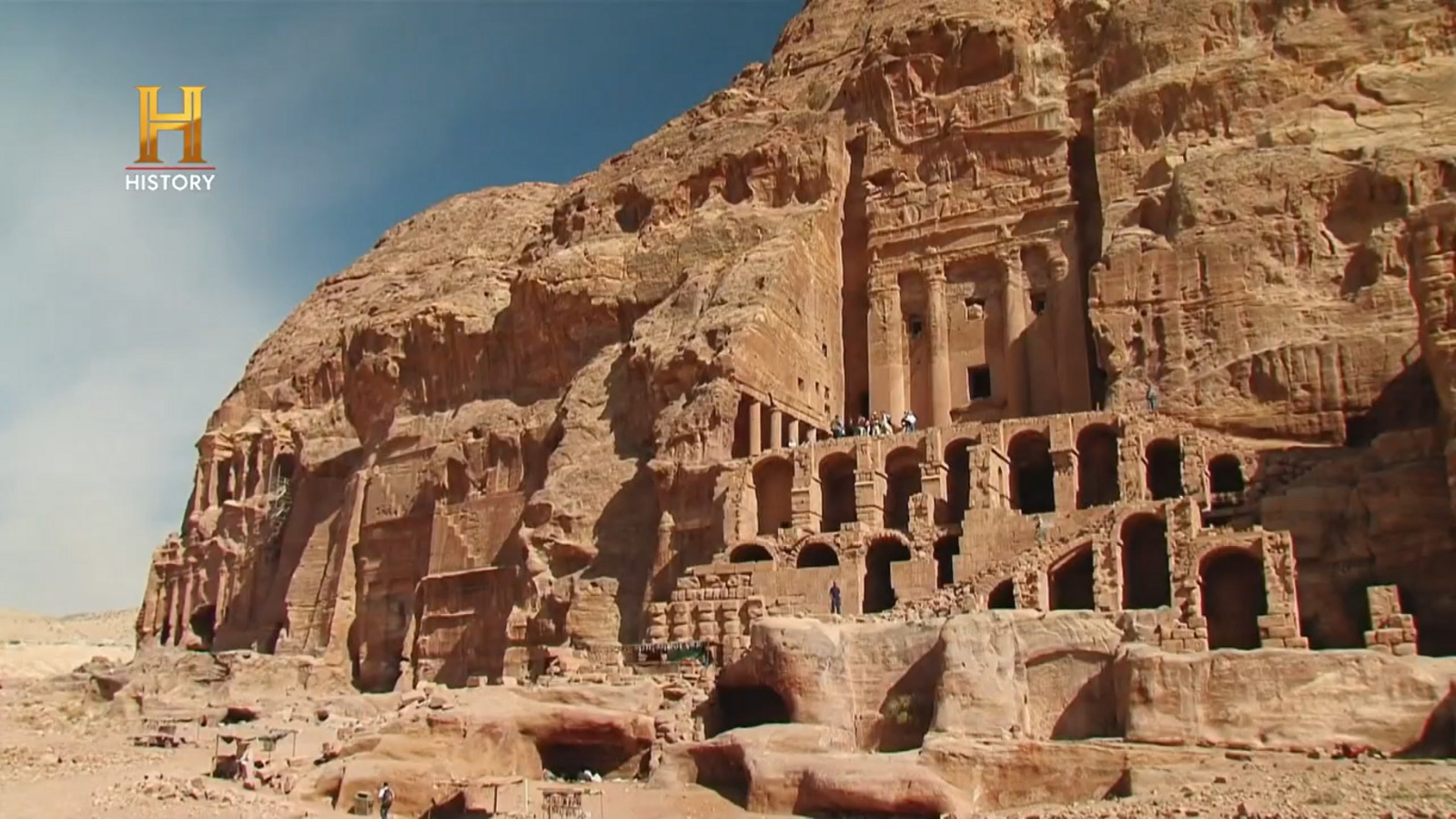
Ancient Stone City in the Desert, Once Home to 30,000, Puzzles Scientists with Nabateans’ Water Mastery 2,000 Years Ago

-
Ancient Creature Thought Extinct Since Dinosaur Era Reappears, Baffling Scientists



Reginaldo Antonio Bertolo states that for every three wells constructed, two are irregular. The public authorities do not know these sources nor assess the water’s safety.
The lack of control becomes more serious because many wells were drilled in old industrial zones.
These areas, now deindustrialized and undergoing real estate conversion, carry environmental liabilities that are difficult to manage.
Subsurface waste can affect aquifers used for human consumption.
Industrial solvents increase the risk
The central concern involves chlorinated solvents, especially perchloroethylene and trichloroethylene. These compounds were used as industrial degreasers in the cleaning of metal parts and are described as highly toxic.
There is a lack of public information about who uses these solvents and in what quantities. There are also regulatory gaps regarding disposal and recycling.
Hydrocarbons leaked from gas stations tend to degrade more quickly, while chlorinated solvents remain longer in the underground environment.
When they degrade, they can generate “daughter” compounds even more toxic than the originals. Deep pumping creates a descending hydraulic gradient and can carry contaminants to lower levels.
Maps reveal critical overlap
The study crossed industrial zones, areas contaminated by chlorinated solvents, and supply wells. In São Paulo, these dimensions often appear in the same territory.
Mooca, a deindustrialized neighborhood in the capital, exemplifies the problem. Maps show capture points close to or overlapping contaminated sites and areas where there should be no capture.
The situation is more serious because the irregular wells do not appear on official maps. Thus, the real dimension of the risk may be greater than recorded.
This pattern occurs in other deindustrialized areas. The process began in the late 1970s, advanced in the following decade, and intensified with the departure of factories from the capital.
The result included abandoned warehouses, contaminated subsurface, and new occupations in poorly prepared areas.
According to São Paulo legislation, if a contaminated area is within a 500-meter radius of a well, the responsible party must present water quality reports to the environmental agency.
By applying this criterion, the authors identified 17 clusters of contaminated areas and wells with overlapping radii in Jurubatuba, Jaguaré, Mooca, Vila Prudente, Diadema, Mauá, and Osasco.
Contamination persists in depth
In these regions, contaminated areas can function as multipoint sources, with plumes that intersect. There are deep wells used for human consumption within these contamination belts.
Management usually occurs at the limit of each property, but groundwater circulates beyond real estate boundaries. This mismatch makes it difficult to tackle a problem spread across the subsurface.
Surface soil is removed to control immediate risks, such as toxic vapors in buildings. Even so, much of the contaminant mass remains in depth and continues to be transported by groundwater.
By 2020, only 18.6% of sites contaminated by chlorinated solvents were classified as rehabilitated for their declared use. This category does not mean total elimination of contamination.
In the São Paulo registry, 596 areas with a history of chlorinated solvents were identified. More than half were still undergoing remediation, while 26% remained under investigation.
Contamination tends to concentrate in the first few meters of the aquifer. However, when water is pumped from 100 meters deep, the shallow contaminated zone can slowly migrate downwards.
Less permeable geological layers can act as a natural filter, but there are uncertainties about their effectiveness over decades. The potability limit is on the order of parts per billion.
Jurubatuba points to management paths
Jurubatuba, in the south of São Paulo city, is the most studied area in the Metropolitan Region. Even so, three-quarters of local sites lack detailed information in environmental registries.
Half correspond to industrial facilities with a documented history of using chlorinated solvents. Local monitoring is seen as a test for broader actions, including industrial areas in the ABCD paulista region.
SP Águas reported that hydrogeological studies were promoted in Jurubatuba to improve management, integrate agencies, and understand contaminant transport.
The note mentions database unification, adaptive management, and simplified communication with the population. Cetesb was contacted but did not respond by the time of publication.
Meanwhile, irregular wells remain a decisive point for assessing the problem, preventing the use of groundwater in broader areas, and guiding explicit long-term measures.
With information from Agencia.fapesp.