






 Portuguese
  Spanish


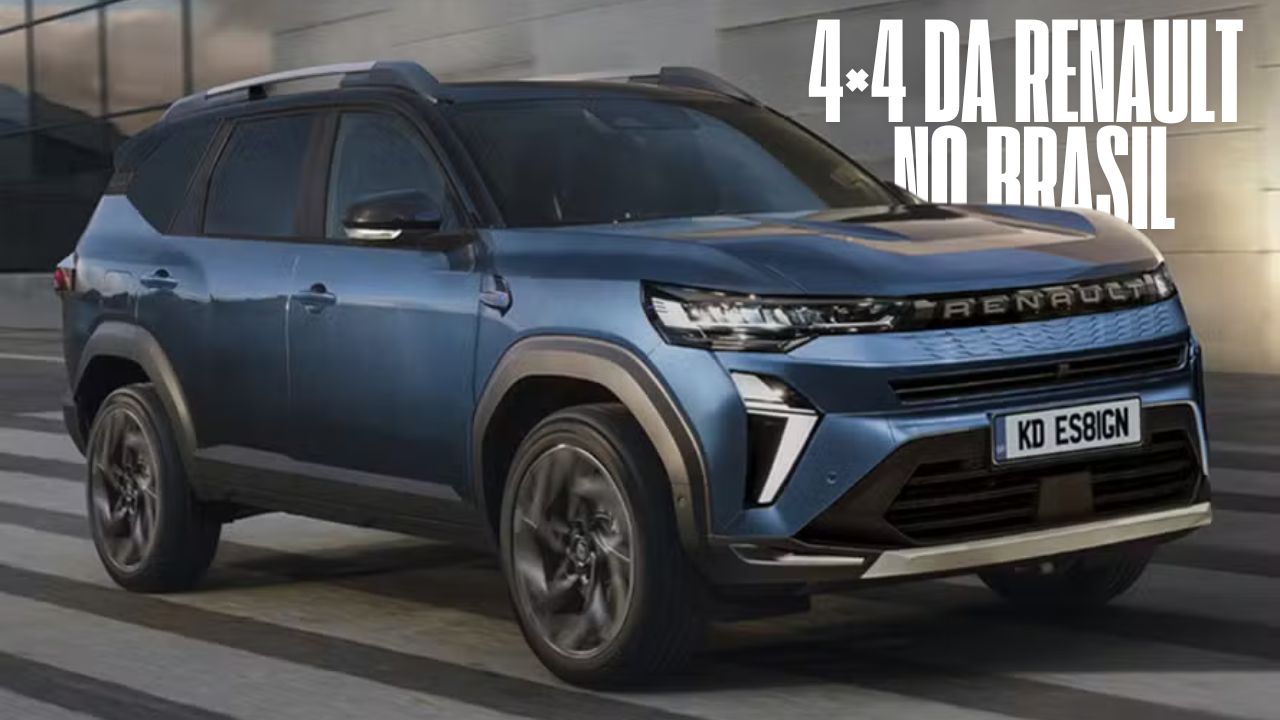


Renault Is Set to Mark Its Return to the 4×4 Segment in Brazil with an Innovation That Promises to Revolutionize All-Wheel Drive
With a launch expected in the second half of the year, the Renault Boreal will be the first model to feature this innovation in Brazil. The Renault Niagara pickup, expected in 2026, will follow the same trend. But how does this new technology work and what are the advantages for Brazilian consumers? Let’s understand better.
The Return of Renault to the 4×4 Segment in Brazil
Renault has not sold 4×4 vehicles in Brazil since 2020, when it ceased production of the Duster 4×4. The Oroch 4×4, on the other hand, was manufactured solely for export. However, the automaker has decided to pursue an innovative approach to bring all-wheel drive back to the domestic market.
The big change is in how this drive will be implemented. Instead of a traditional system with a driveshaft and low-range gearbox, the new models will feature an electric motor on the rear axle. This will allow Renault to offer more efficient vehicles without compromising off-road performance.
-
2027 Toyota Corolla Cross Unveiled: New Design, Enhanced Fuel Efficiency, Reduced Maintenance Costs, Advanced Technology, Connected Services, and Up to 10-Year Warranty

-
Fiat Cronos Precision 2018: Affordable Sedan with Spacious Trunk and Reliable Maintenance
-
Volkswagen to Cut Production by 1 Million Cars by 2030, Reducing Jobs and Platforms, Focusing on More Profitable Models

-
Toyota Launches First 100% Electric Car in Brazil: bZ4X with 343 HP, All-Wheel Drive, 361 km Range, Priced at $419,990 BRL, Limited to 99 Units



The Innovation of the Dual Speed 48V Electric Motor
The heart of this technology is the 48V electric motor developed by Valeo. The Dual Speed 48V system replaces the traditional driveshaft with a synchronous electric motor mounted on the rear axle. This Renault motor features a two-speed transmission, ensuring greater efficiency and power according to the vehicle’s needs.
The main advantage of this approach is the ability to maintain 4×4 drive without significantly increasing fuel consumption. The technology contributes to a reduction in the vehicle’s weight, making it more agile and economical.
How the Dual Speed 48V System Works
Unlike conventional electric motors, which have only a single fixed gear ratio, the Dual Speed 48V system offers two distinct gears for Renault models. The first gear is optimized for low speeds, providing greater torque and helping the vehicle to overcome difficult terrains. The second gear is geared for high speeds, ensuring energy efficiency and a more balanced performance.
The system can operate in “neutral” mode, switching off the electric motor when it is not needed. This avoids drag losses and contributes to lower fuel consumption. Another interesting point is the ability to regenerate energy during deceleration, helping to recharge the vehicle’s battery.
New Renault 4×4 Models in Brazil
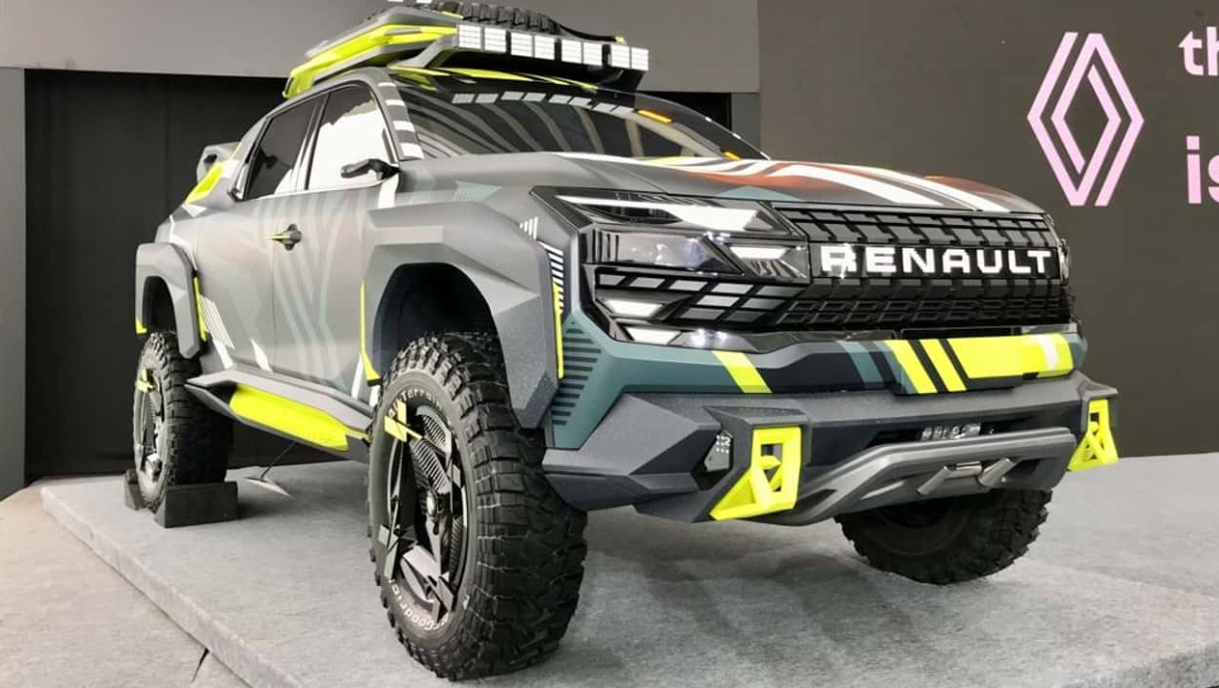
The first vehicles to feature this technology in Brazil will be the Renault Boreal and the Niagara pickup. However, there will be a difference between the European and Brazilian versions of these models.
In the European market, the Dacia Bigster – equivalent to the Renault Boreal – will be equipped with a 1.2 turbo three-cylinder engine and a lightweight hybrid 48V system. In Brazil, however, the Boreal will use a 1.3 turbo engine with 163 hp, combined with the DW23 automated dual-clutch transmission, already present in the Renault Kardian.
This mechanical setup will allow the new Renault 4×4 models to offer an excellent combination of performance and efficiency, making them an attractive option for those seeking a versatile vehicle.
The Renault Niagara pickup, which will hit the market in 2026, will also feature the lightweight hybrid system and an additional rear electric motor. However, the technology is still under development, and Renault will need to ensure that the battery of the system has enough power to supply the electric motor whenever necessary.
Impacts of the New System on the Driving Experience
The use of a rear electric motor with two gears will bring a series of benefits for the drivability of the new Renault 4×4 models. Among the main advantages are:
Better Traction Control in Curves: The system’s software will automatically adjust the delivery of power from the electric motor, optimizing the vehicle’s stability.
Lower Fuel Consumption: Tests conducted by Valeo indicate that the technology can reduce average consumption by up to 4%, with a savings of 7% in highway cycles.
Electric Mode for Short Trips: The electric motor can be used independently in some situations, further reducing fuel consumption.









Finalmente teremos de volta esse sistema 4×4 para o Veículo. Tomara que aproveitem o ensejo e o equipem também com freio a disco nas 4 rodas, aí será o máximo.