Portuguese
  Spanish


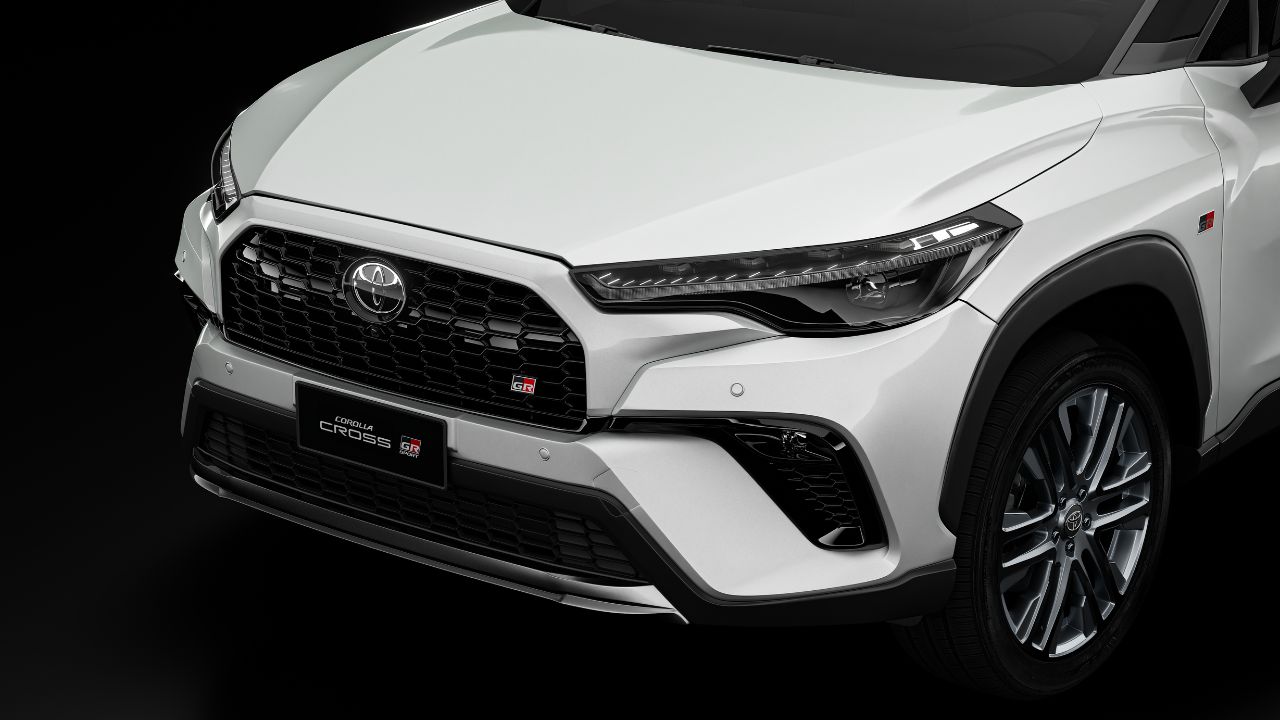

Toyota Corolla Cross 2027 GR-Sport version gets new look, more connectivity, safety features, and extended warranty of up to 10 years.
Toyota has started selling the Toyota Corolla Cross 2027 in the Brazilian market with a strategy that goes beyond aesthetic changes. The new SUV line comes with benefits that include reduced scheduled maintenance costs, expanded digital features, enhanced safety equipment, and a warranty program capable of extending the vehicle’s coverage for up to a decade.
The updates affect all versions available in the country and are part of the manufacturer’s move to keep the model competitive in one of the most contested segments of the national market.
Instead of focusing investments solely on appearance, the automaker sought to enhance the vehicle ownership experience. The result is a combination of connectivity, driver assistance, and mobility services that now play as important a role as performance and design.
-
Fiat Cronos Precision 2018: Affordable Sedan with Spacious Trunk and Reliable Maintenance

-
Volkswagen to Cut Production by 1 Million Cars by 2030, Reducing Jobs and Platforms, Focusing on More Profitable Models

-
Toyota Launches First 100% Electric Car in Brazil: bZ4X with 343 HP, All-Wheel Drive, 361 km Range, Priced at $419,990 BRL, Limited to 99 Units

-
Chinese SUV Achieves 24.4 km/l, Outperforms Toyota Yaris Cross in Real-World Tests with 224 hp Hybrid System, Offers 51-Liter Tank for Greater Range, and Costs Up to R$ 5,000 Less.


Warranty of up to 10 years is one of the main attractions of the new line
Among all the changes announced for the Toyota Corolla Cross 2027, one of the most relevant for consumers is related to the coverage offered by the manufacturer.
The Toyota 10 program allows extending the vehicle’s original warranty at no additional cost, provided the owner performs periodic maintenance at the authorized network after the initial five years of factory coverage.
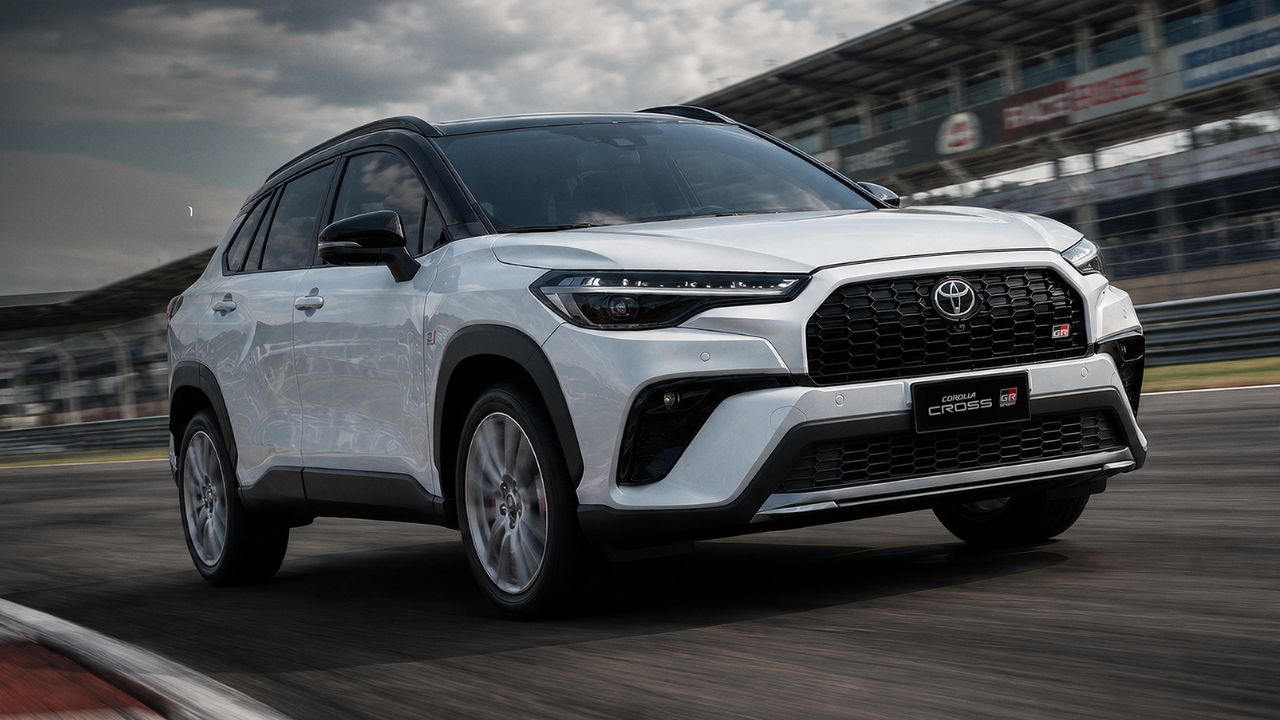
In practice, the benefit can represent up to ten years of protection for various mechanical, electronic, and structural components of the vehicle. The initiative also covers hybrid systems, a factor that gains importance given the growing demand for electrified models in the country.
For many consumers, the extended warranty can represent a reduction in concern about unexpected maintenance costs over the years.
New maintenance plan aims to reduce owners’ expenses
Another point that draws attention is the creation of a standardized pricing policy for maintenance. Toyota has started offering set prices for the first six scheduled maintenances of the Corolla Cross line.
The announced prices are:
- 1st maintenance: R$ 585.80
- 2nd maintenance: R$ 949.00
- 3rd maintenance: R$ 949.00
- 4th maintenance: R$ 949.00
- 5th maintenance: R$ 949.00
- 6th maintenance: R$ 949.00
Additionally, customers can pre-purchase the maintenance through a specific program from the manufacturer. The measure aims to bring more financial predictability for those who intend to keep the vehicle for several years.
Connectivity becomes a priority in the Toyota Corolla Cross 2027
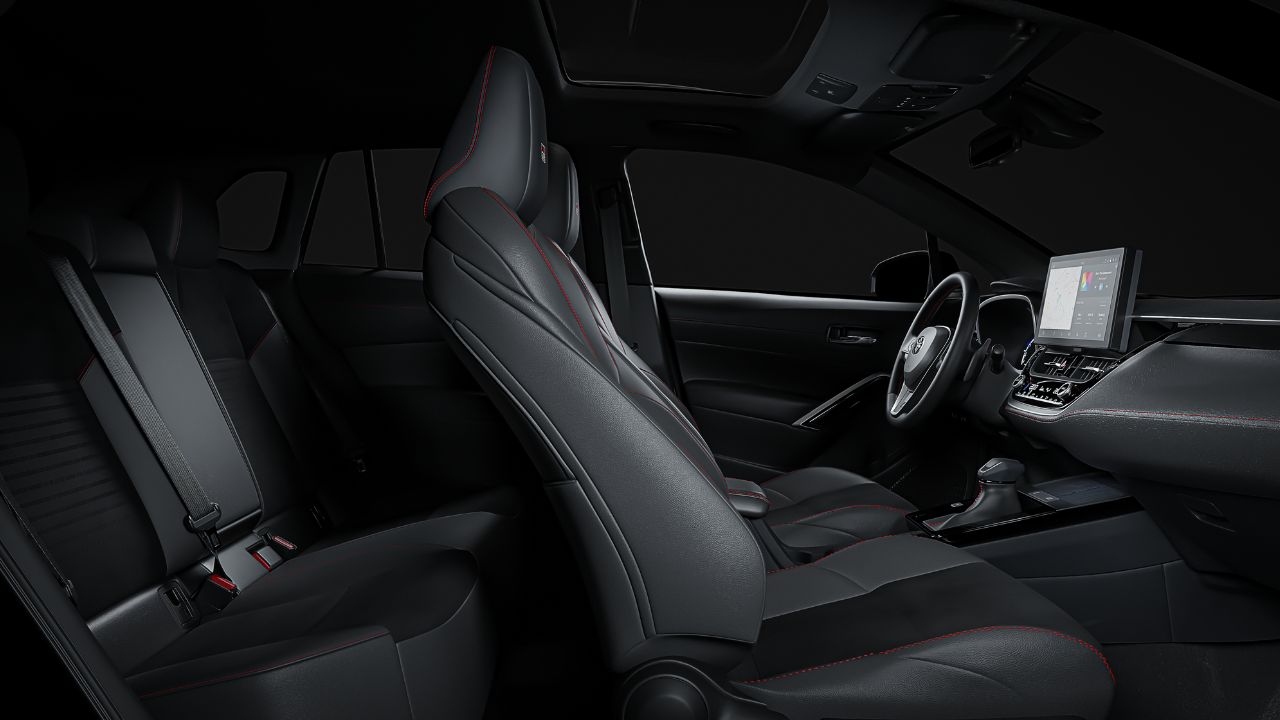
The advancement of automotive digitalization also appears among the new features of the line. Now, all versions come with a multimedia center equipped with a 10.1-inch screen and integration with the brand’s connected services ecosystem.
Through the Toyota app, the owner can track information related to the vehicle’s operation, consult diagnostics, and check operational data in real-time. The XRE version, which previously did not have some of these features, now receives access to Toyota Connected Services, expanding the technological offering of the entry-level configuration.
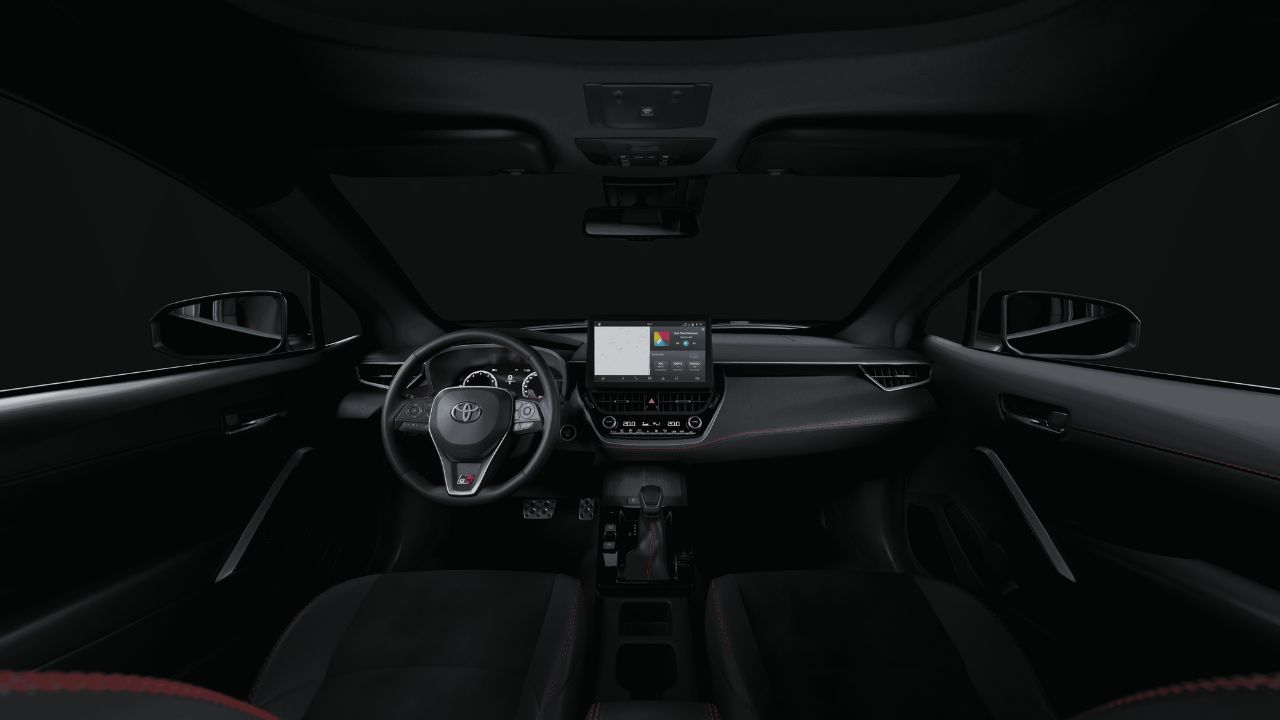
Among the available features are remote monitoring, maintenance reminders, tracking, and connectivity resources.
Energy efficiency continues to be a highlight of the hybrid version
While some competitors rely solely on conventional engines, Toyota maintains its flex electrification strategy. The hybrid configuration of the Toyota Corolla Cross 2027 combines a 1.8 flex engine with two electric motors.
According to the manufacturer, this technology allows for a reduction in consumption of up to 30% compared to versions powered exclusively by combustion.
Another data point highlighted by the company involves carbon dioxide emissions. When fueled with ethanol, the hybrid system can emit up to 70% less CO₂ compared to conventional vehicles.
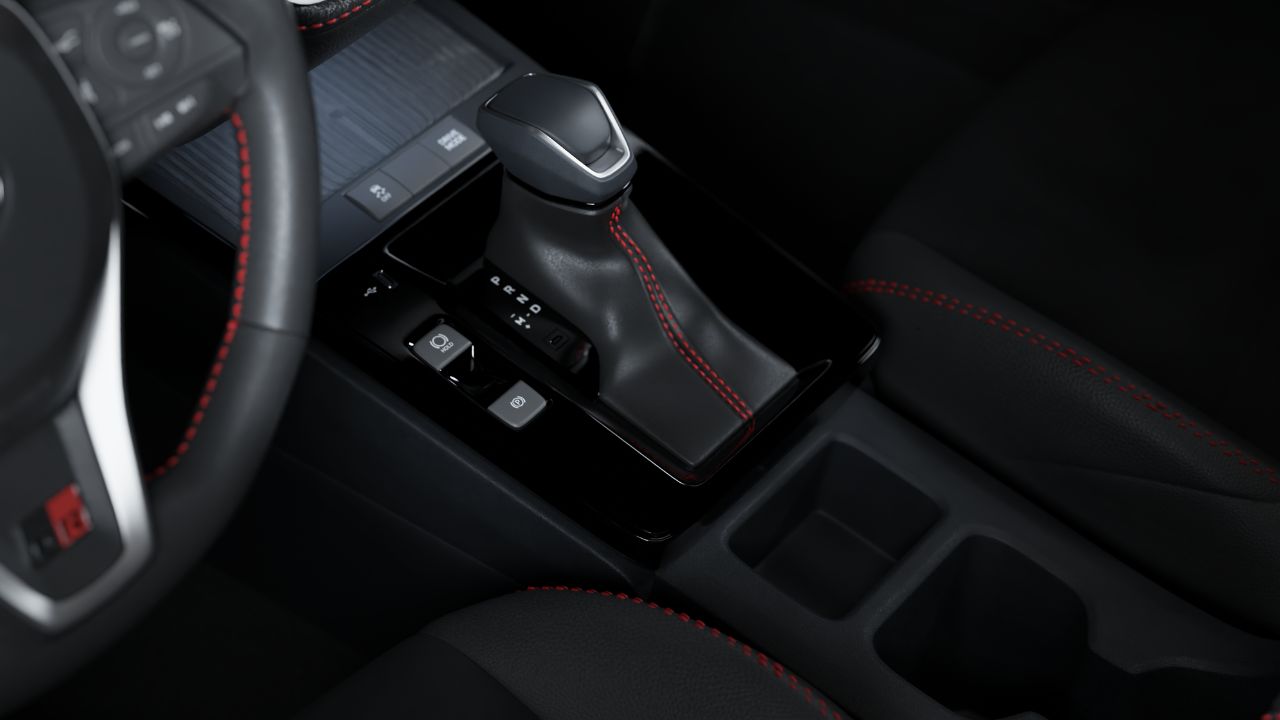
The set uses a transmission developed to minimize energy losses and improve operational efficiency.
Safety receives reinforcements across the entire range
The 2027 line also incorporates new features aimed at accident prevention. All models come factory-equipped with the Toyota Safety Sense package, which includes electronic driver assistance systems.
Available features include preventive braking, adaptive cruise control, lane monitoring, and automatic high beam management. Another new addition is the inclusion of electronic tire pressure monitoring across the entire range.
The equipment constantly monitors tire conditions and alerts the driver when it detects inadequate levels, contributing to vehicle stability and component preservation.
GR-Sport version receives the most expressive visual changes
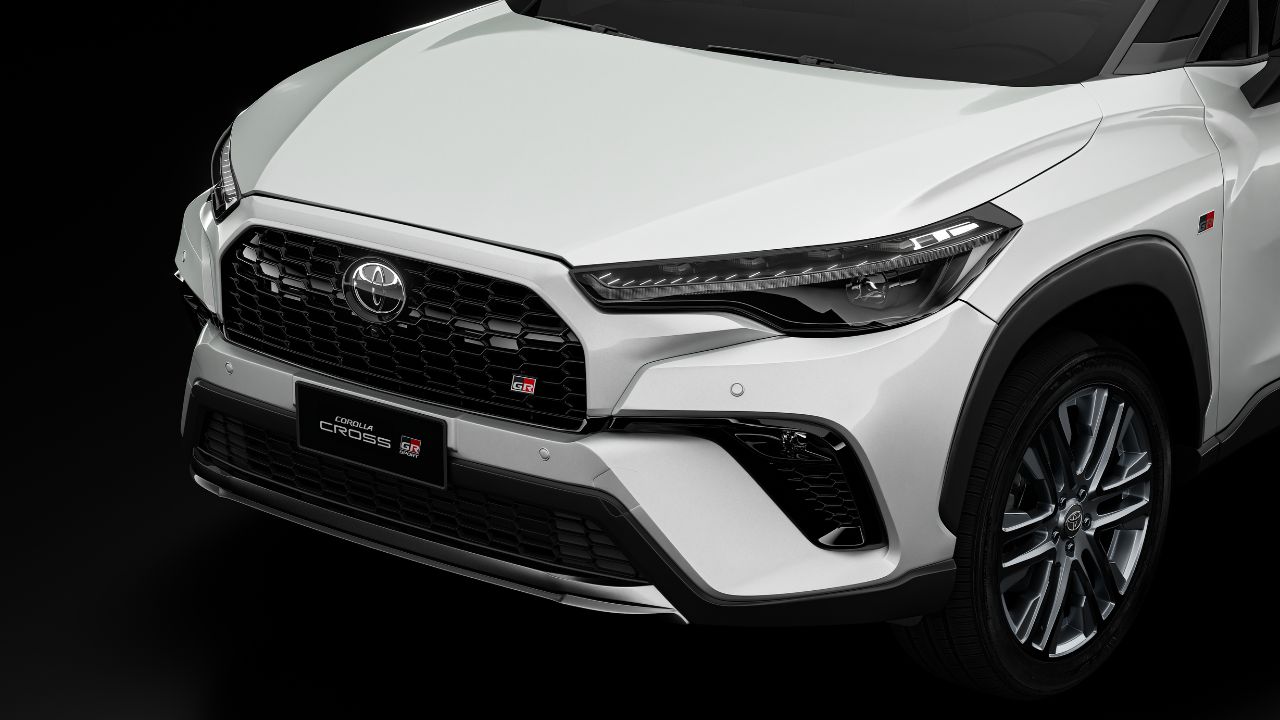
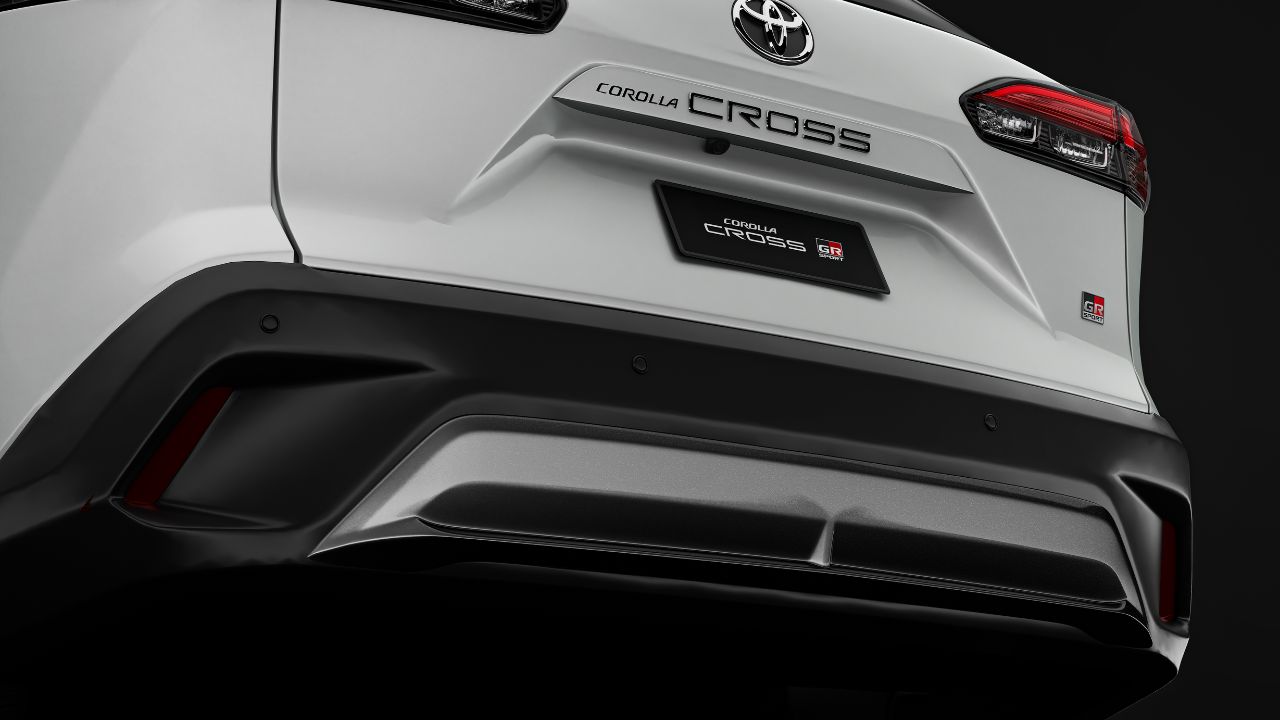
Although the mechanical and technological innovations affect the entire line, the most significant aesthetic transformation was reserved for the GR-Sport. The configuration received specific changes in external and internal components to reinforce its sporty identity.
Highlights include new bumpers, exclusive grille, wheels with distinctive finish, new details on the bodywork, and updates in the interior finish.
The seats received new upholstery and the environment now features elements inspired by the sporty proposal of the GAZOO Racing division.
How much does the Toyota Corolla Cross 2027 cost?
The line arrives in the Brazilian market in four versions:
- XRE 2.0L — R$ 194,790
- XRX 2.0L — R$ 211,790
- GR-Sport 2.0L — R$ 218,490
- XRX Hybrid Premium — R$ 223,790
With the line update, Toyota seeks to strengthen the position of the Corolla Cross in a segment that concentrates some of the most sought-after SUVs by Brazilian consumers, betting not only on design but also on services, connectivity, energy efficiency, and reduction of ownership costs.