






 Portuguese
  Spanish


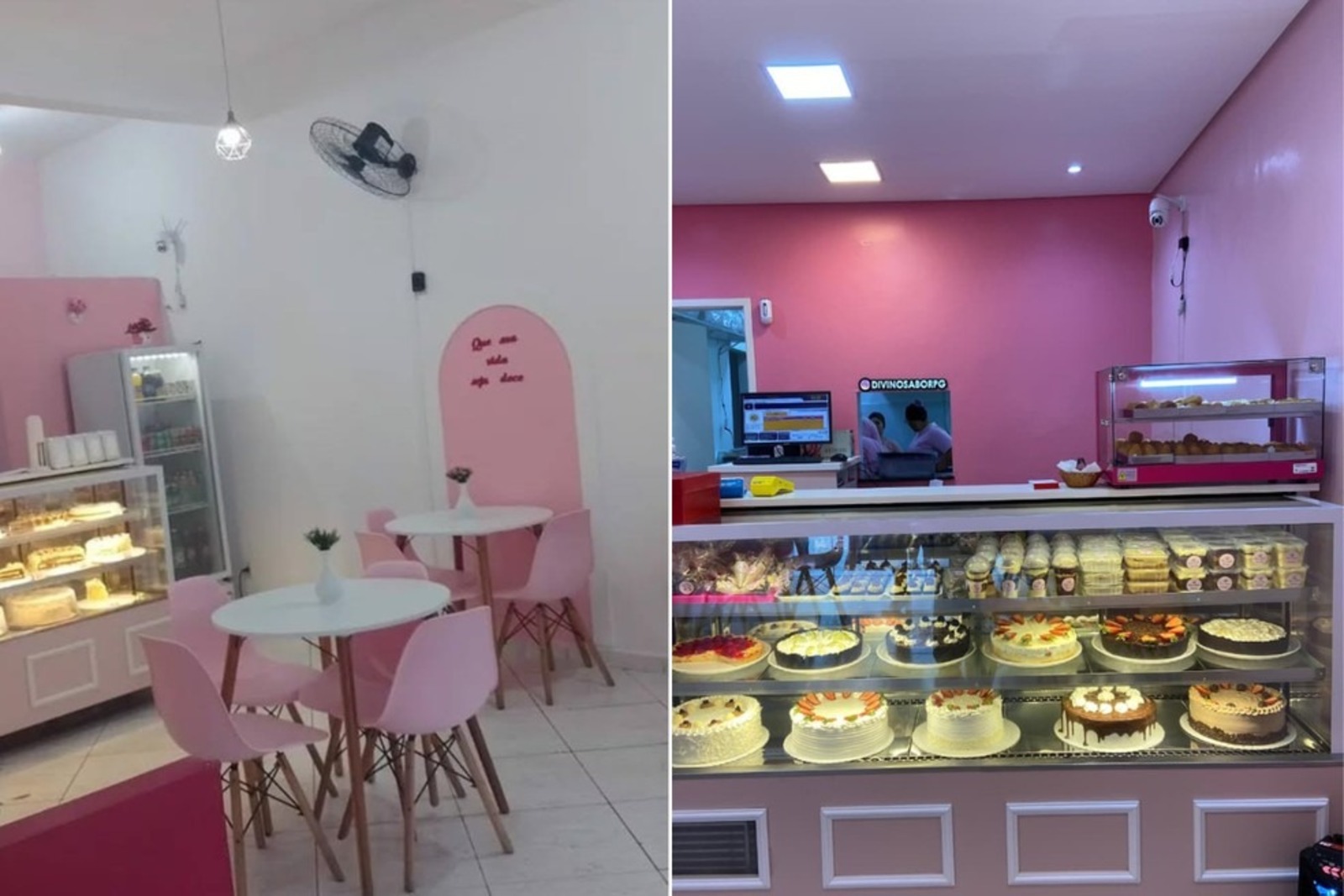


From Childhood in the Dump in São Vicente to Entrepreneurship in Praia Grande, Patrícia Lopes Santos Built Two Confectioneries After School Dropout, Family Loss, Teen Pregnancy, Pandemic, and Prolonged Informal Work
The confectioner Patrícia Lopes Santos, 42, recently opened her second store in Praia Grande, on the São Paulo coast, after a journey marked by child labor in a dump, school dropout, and overcoming challenges, transforming a home-based business started in 2015 into two active confectioneries.
Patrícia began working at 9 years old in a dump in São Vicente, collecting recyclables and food scraps, after her mother lost her job and the family faced severe financial instability.
She lived with her mother, brother, and her then partner in the Sambaiatuba neighborhood in São Vicente, where she reported episodes of food deprivation and abuse during her childhood.
-
Major Company Shuts Down 70-Year-Old Factory in Brazil, Relocating Production and Impacting Over 100 Families

-
Toyota Shuts Down Brazilian Plant After Producing Over 1 Million Vehicles, Plans Special Destination for Final Corolla Produced Following $2.1 Billion Investment and Expansion.
-
Shoe Factories Close, Leaving 528 Workers Jobless in Sudden Turn of Events Affecting Hundreds of Families After Decades of Operation.
-
Chinese Automaker Plans Second Mega Factory in Brazil with $2 Billion Investment to Produce Electric and Hybrid Cars in Strategic Location.


According to Patrícia, the man hid food from the family and abused her, then 8 years old, and her sister, who lived with a godmother.
Precarious Housing and Interruption of Studies
After nearly a year, her mother decided to leave the house and took the children to a shack in the same neighborhood, with space limited to a bunk bed and a wardrobe.
With no financial means, her brother found the nearby dump and asked to stop studying to work, a decision that Patrícia followed voluntarily.
She reported that she rummaged through the trash without gloves, separated recyclable material, and sold it to bring money to her mother, partially supporting the family.
Patrícia remembers that trucks dumped food discarded by markets, expired or opened, which were consumed by several families who depended on that space.
According to her, it was common to find meat, fruits, vegetables, rice, milk, and yogurt drinks, which ensured the survival of those working in the dump.
At 14, Patrícia returned to school but faced embarrassment at school because of the smell of the dump, which was still her source of income.
Teen Pregnancy and New Difficulties
At 18, she started dating, became pregnant, and continued working in the dump, even after moving in with the child’s father, a relationship that did not last.
Back at her mother’s house, Patrícia continued collecting recyclables and went through a period of extreme need with her son still small.
She recounted that one day she went to the dump looking for money to buy milk and found a half-open package, which left her very anxious.
Separation from Son and Family Losses
Without financial means, Patrícia had to leave her son in the care of his paternal grandmother, a decision that profoundly marked her personal journey.
Her mother, an alcoholic, died of cirrhosis, while her brother got involved with drugs, used crack, and suffered a traumatic brain injury, but is now recovered.
Despite the separation, Patrícia stated that she always helped her former mother-in-law with the care of her son, maintaining a bond and responsibility.
First Opportunity Outside the Dump
At 21, Patrícia left the dump when a neighbor offered her a job in a bakery, an opportunity she described as liberating.
According to her, the place was not a dream, it felt more like a bar, but it represented a better life than working in the dump.
Over time, she obtained new opportunities in snack bars and bakeries, expanding her worldview beyond the reality she knew.
Path to Entrepreneurship
Patrícia worked five years in her sister’s scrap yard, remarried, and had a daughter, before deciding to change her professional activity.
Tired of the scrap yard, she began selling coxinhas at fairs in São Vicente and then moved to Praia Grande with her husband.
In 2015, she dreamed that she was selling cake in a jar, searched for recipes on YouTube, and started producing, even without prior experience.
Consolidation of Own Business
She started selling from home, received orders, began making personalized cakes, and felt the impact during the pandemic when events were suspended.
Patrícia set up a store in the garage and, in 2023, opened the first unit near her home, gradually structuring the business.
Recently, she opened the second store, employing nine people and stating that she still works directly in production, as well as management.
Wrapping up her journey, Patrícia emphasized that today she owns two houses, lacks nothing for her children, and continues to be grateful for the opportunities she has achieved.
With information from G1.




Parabéns guerreira…a vitória sempre vem para aqueles que tem garra e nunca desistam de ser vitorioso O Criador nos deu a vida para sermos vitoriosos gratidão pela trajetória e lição de vida.
Qual o endereço da confeitaria da Patricia
Ola, temos uma na Hermenegildo pereira de frança 305 e uma na Av Presidente Kennedy 13078 PG
PATRÍCIA….DEUS É CONTIGO