






 Portuguese
  Spanish
  5 min of reading
  0 comments


Mumbai–Ahmedabad bullet train underground project brings together giant tunnel boring machines, unprecedented passage under Thane Creek, and urban area excavation, in a stage that concentrates technical data on weight, depth, and railway engineering.
India has started assembling two tunnel boring machines weighing over 3,000 tons to open part of the underground section of the Mumbai–Ahmedabad bullet train project, in the state of Maharashtra.
The machines will be used to excavate 16 km between Bandra Kurla Complex in Mumbai and Sawli, near Ghansoli, within a 21 km railway tunnel that includes the country’s first underwater section, with 7 km under Thane Creek, according to the National High Speed Rail Corporation Limited, the NHSRCL.
The work is part of the Mumbai–Ahmedabad high-speed corridor, conducted by NHSRCL.
-
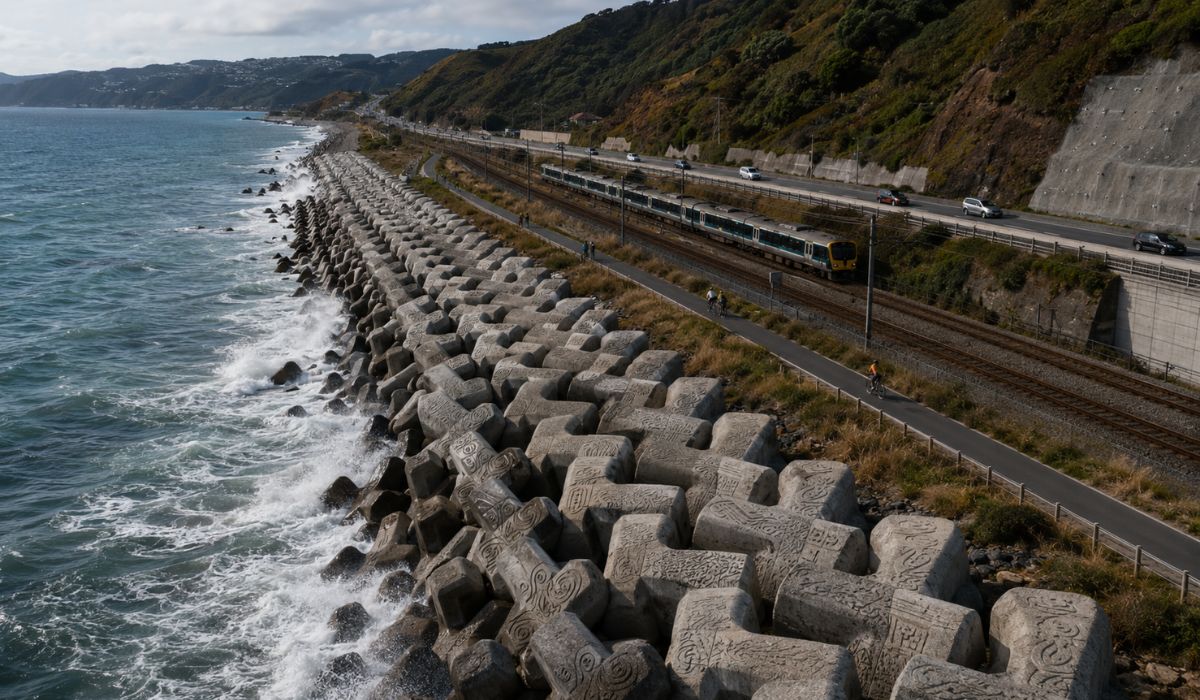
New Zealand aligns nearly 7,000 X-shaped concrete blocks like puzzle pieces to protect railway, highway, and cycle path against waves, erosion, and earthquakes on one of Wellington’s most sensitive coasts.

-
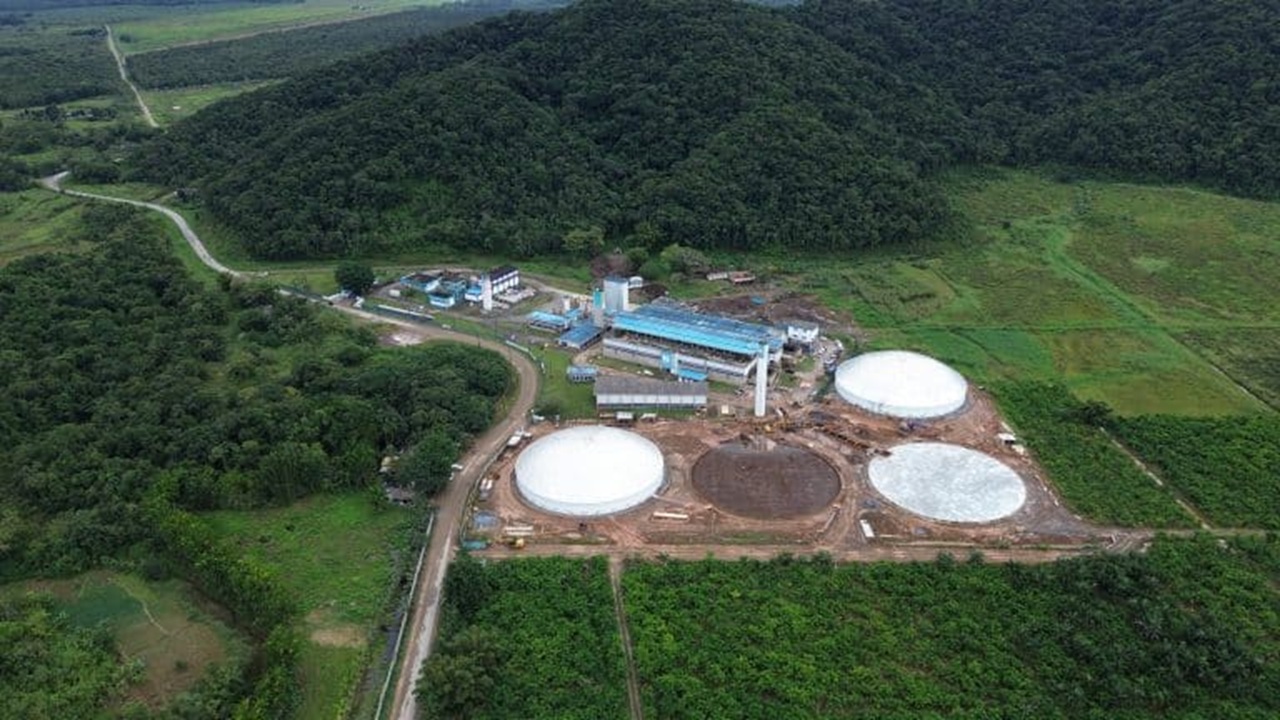
Baixada Santista receives water reservoirs worth R$ 84.6 million in Itanhaém with 20 million liters to reinforce the supply for 1.2 million residents in five cities.

-
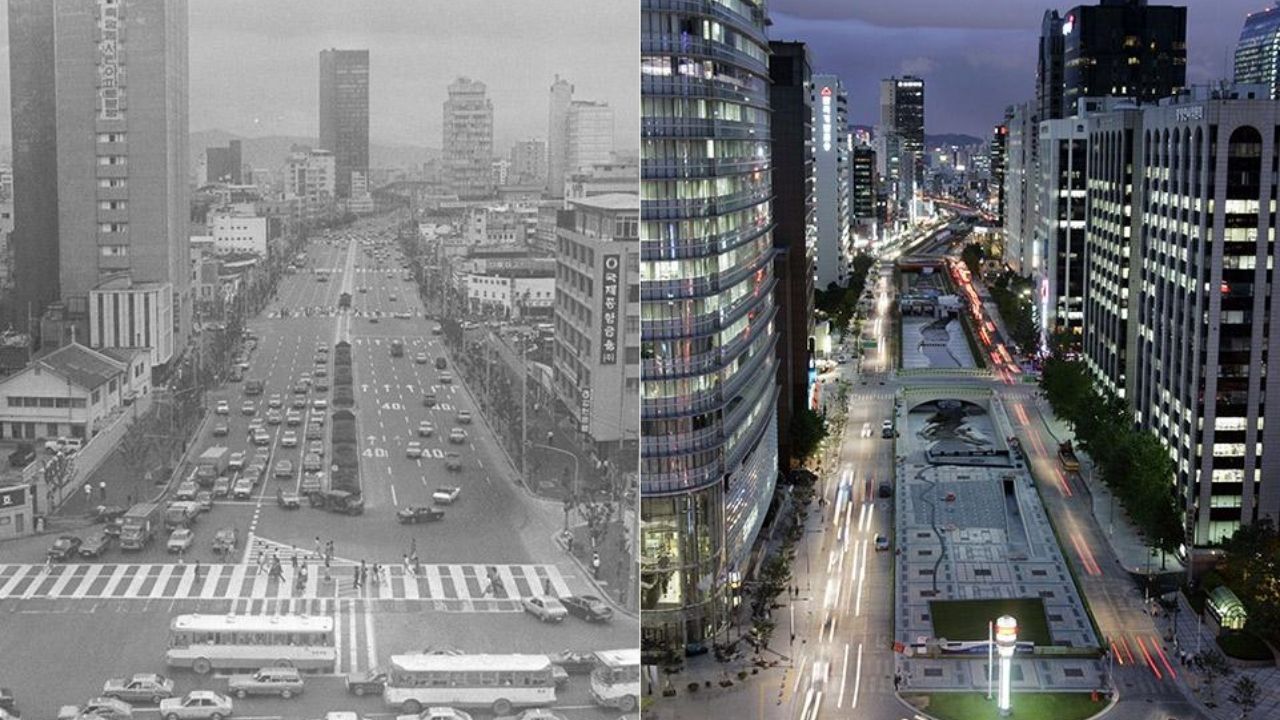
A river buried under a highway became an urban park in Seoul after a multimillion-dollar project at Cheonggyecheon, attracting 64,000 visitors per day, increasing biodiversity by 639%, and showing why cities are replacing concrete with water and green areas.
-
How much does it cost to build a pool in 2026? See the average construction costs, licensing fees, and the most common extra expenses that may arise throughout the project.

According to the state-owned company responsible for the project, the tunnel will be single-tube, have a 13.1-meter diameter, and is designed to accommodate two railway tracks in the same underground space.
The assembly of the machines advanced in April 2026.
In Vikhroli, one of the main parts of the first tunnel boring machine began to be lowered into a shaft 56 meters deep.
The component, part of the machine’s main shield, weighs about 170 tons, as reported by the NHSRCL.
Subsequently, the second tunnel boring machine began to be assembled in the Sawli shaft, in Ghansoli, 39 meters below ground level.
According to the Times of India, a 190-ton structure, 18 meters long, 10 meters wide, and 9 meters high, was lowered into place during this preparation stage.
Underwater tunnel under Thane Creek will be 7 km
The section under Thane Creek will be 7 km long and is part of the underground connection between Bandra Kurla Complex and Shilphata.
The NHSRCL classifies the structure as India’s first underwater railway tunnel, within the Mumbai–Ahmedabad bullet train project.
In total, the underground tunnel will be 21 km.
Of this route, 5 km are executed using the NATM method, an acronym for New Austrian Tunneling Method, a technique used in conventional excavations with progressive ground support.
The remaining 16 km will be handled by the tunnel boring machines.
The depth varies according to the section of the route.
The structure will be between 25 and 57 meters below ground level in most of the alignment, while the deepest point will reach 114 meters below Parsik Hill, according to the technical data of the project released by the responsible company.
This variation in depth led NHSRCL to adopt large tunnel boring machines and technology aimed at different geological conditions.
The machines use the Mix Shield/Slurry system, recommended by the company for excavations in areas with the presence of water, soil, and rock in urban areas.
Tunnel Boring Machines Exceed 3,000 Tons
The two tunnel boring machines have similar dimensions but different weights.
TBM-1 weighs 3,080 tons, while TBM-2 reaches 3,184 tons.
Each piece of equipment measures 95.32 meters in length and has a cutting head of 13.6 meters in diameter, according to information from NHSRCL.
The machines can operate with a maximum speed of 4 rotations per minute on the cutting head and achieve an advance of up to 49 millimeters per minute.
The effective pace of excavation, however, depends on the terrain conditions, commissioning tests, and safety procedures defined for each work front.
According to the execution plan, TBM-1 will be launched from Vikhroli and will head towards the recovery shaft in Bandra Kurla Complex, where the underground station of the bullet train in Mumbai will be located.
TBM-2, on the other hand, will depart from Sawli and advance towards Vikhroli.
Three shafts were built along the route to enable the operation.
One of them will serve for the removal of the machine in BKC, while the other two function as launch points in Vikhroli and Sawli.
The division allows the excavation to be carried out from different fronts within the underground section.
Excavation in Mumbai Will Have Technical Monitoring
The construction takes place in an urban area and along a route that passes through coastal areas, rock formations, and sections with the presence of water.
Therefore, the project includes monitoring instruments to track ground settlements, water pressure, and the behavior of nearby structures during the excavation.
In communications about the work, NHSRCL informed that the underground section includes technical monitoring measures, including soil settlement markers, piezometers, inclinometers, extensometers, and access control systems.
These pieces of equipment are used to record changes in the terrain and support safety procedures during the tunnel opening.
The state company reported that the tunnel boring machines were received and that excavation will begin after the completion of tests and commissioning.
The Times of India published that the drilling of the underground section was scheduled to start in July 2026, while the main excavation front was expected in October 2026.
Mumbai–Ahmedabad Bullet Train links Maharashtra to Gujarat
The Mumbai–Ahmedabad corridor is India’s first bullet train project and plans for a high-speed connection between the state of Maharashtra, where Mumbai is located, and the state of Gujarat, where Ahmedabad is located.
Within this route, the underground section in Mumbai focuses on the passage under Thane Creek and the connection to the Bandra Kurla Complex station.
The single-tube solution for two tracks also defines the scale of the equipment used in the construction.
Instead of two parallel tunnels, the project combines the two tracks into a large-diameter structure, which requires specific planning for machine assembly, excavation progress, ventilation, operational safety, and future train circulation.
Before the arrival of the tunnel boring machines, part of the tunnel was already advancing using the NATM method.
In July 2025, NHSRCL reported the completion of a continuous advance of 2.7 km within the section between BKC and Shilphata, in addition to an accumulated progress of about 4.3 km in the section executed by this method at that time.
With the assembly of the two machines, the project moves to the preparatory phase of mechanized excavation of the 16 km section.
This stage will concentrate part of the work on the underground tunnel, including the crossing under Thane Creek, where the bullet train tracks will pass under the waterbed.


Be the first to react!