Portuguese
  Spanish




With a revenue of R$ 3.7 billion and over 130 stores, the distributor accelerates expansion, modernizes units, and offers credit, training, digital platforms, and showrooms to strengthen carpenters throughout the country
Leo Madeiras, the largest distributor of woodworking materials in Latin America, invested R$ 50 million in expansion and logistics and opened 25 stores in the last two years. With a revenue of R$ 3.7 billion, more than 130 units, and presence in 22 states, the company seeks to advance into regions not yet served by the brand.


Leo Madeiras seeks spaces with existing demand
Leo Madeiras’ expansion plan is focused on the so-called “white spaces,” locations where there is woodworking activity and demand for materials, but the company does not yet have a physical operation.
The strategy is led by Andrea Seibel, a third-generation family member at the helm of the business. She took over management in 2013, during a planned process of succession, professionalization, and transformation of the company.
-
Couple Sold Their Home to Save Business, Now Run Platform Handling $180 Million Monthly and Managing Over 51 Million Listings

-
Brazil’s 2026 Tax Refund: Record 9.58 Million Filers in Largest Payout Ever, But a Key Detail on Priority Recipients Draws Nationwide Attention

-
Itaú Alters Hybrid Work Model, Increasing Office Days from 2028, Prompting Employees to Adjust to New Routine
-
Facing Labor Shortage, Japan Plans to Invest $34 Million to Attract Foreign Workers in Construction, Healthcare, Industry, and Commerce





The executive avoids disclosing specific growth targets. According to her, the priority is to maintain consistent progress, considering that the sector follows unstable economic cycles and changes in family consumption.
“Our game is long-term. We are here for the century, not for the year,” says Andrea. “When our client grows, we grow together.”
Currently, the network has more than 20,000 items in its catalog and a team of 5,000 professionals. In addition to its Brazilian presence, the company maintains four units in Paraguay.
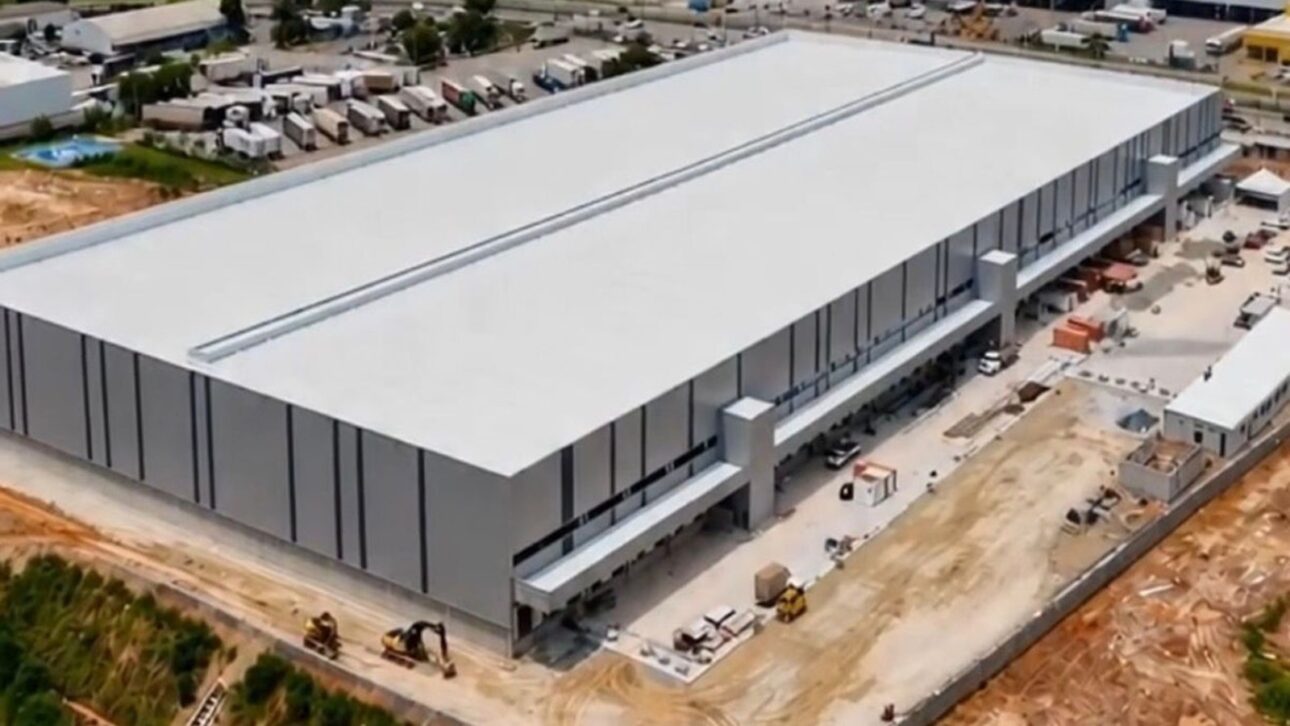
Small lumber company turned into a network present in 22 states
The company’s history began in 1943, in a small lumberyard located on Rua do Gasômetro, a traditional address for construction materials trade in São Paulo.
The business, founded by a merchant known as Mr. Léo, was later purchased by Andrea’s grandfather, a Polish immigrant who had become widowed and needed to support his children.
“My grandfather bought the store when he became widowed and needed to start over. He made a living from it to raise his children. Later, my uncle Hélio turned that little shop into a network,” reports the CEO.
Under the management of Hélio Seibel, the company expanded its operations and became the core of other family businesses, which later acquired stakes in companies like Dexco and Klabin.
Andrea states that she grew up following the company’s routine and has known its structure since childhood. Upon taking command, she initiated a new cycle of expansion, modernization, and diversification of activities.

Company expands services to support the carpenter
Leo ceased to operate solely as a distributor of boards, hardware, and other supplies. The model now includes credit, loyalty programs, training, digital cutting and project platforms, as well as spaces dedicated to product presentations.
“Our role is to be the carpenter’s home,” summarizes Andrea. According to her, the company seeks to offer tools so that independent professionals can compete with custom furniture networks installed in shopping centers.
This proposal guided the revitalization of the unit on Rua Paes Leme, in Pinheiros, São Paulo. The 2,300 square meter space became the network’s first flagship store.
The store features a showroom, digital panels, areas dedicated to training, and a graffiti mural aimed at the community. The location serves carpenters, artisans, architects, designers, and end consumers.
According to Andrea, many professionals use the stores not only to purchase materials but also to present new products, receive clients, choose wood patterns, and close projects.
The operation integrates physical service, phone, and e-commerce. The salesperson responsible for the client can follow the different forms of purchase, without separating the experience between the store and the digital environment.
Inflation, informality, and tariffs pressure the sector
The expansion occurs in a market marked by informality, tight margins, and pressure on household budgets.
During the pandemic, demand increased because families began to invest more in renovations, furniture, and home offices.
With the resumption of expenses on travel, restaurants, and other services, there was an adjustment in consumption. Andrea assesses that the demand for home improvements remains, but now shares space with other priorities.
Inflation also affects the purchase of custom-made furniture, usually associated with higher values. “The budget is limited. The same family that buys a wardrobe needs to pay for groceries, school, and clothing,” she states.
Another challenge is the number of carpenters who work informally and have difficulty establishing long-term relationships with clients. Leo seeks to offer credit, training, and tools that support the formalization and competitiveness of these professionals.
The CEO also points out possible effects of the Trump administration’s tariffs on forestry and furniture products.
The measure may affect Brazilian exporters and cause an increase in the supply of raw materials within the country, putting pressure on prices.
“This will affect our suppliers and may put pressure on prices. It’s a matter of supply and demand,” says Andrea. Despite the risks, the company maintains investments and the search for new regions of operation.
This article was prepared based on the information provided about Leo Madeiras and statements by Andrea Seibel, with data, numbers, and statements preserved as per the consulted material.