Portuguese
  Spanish


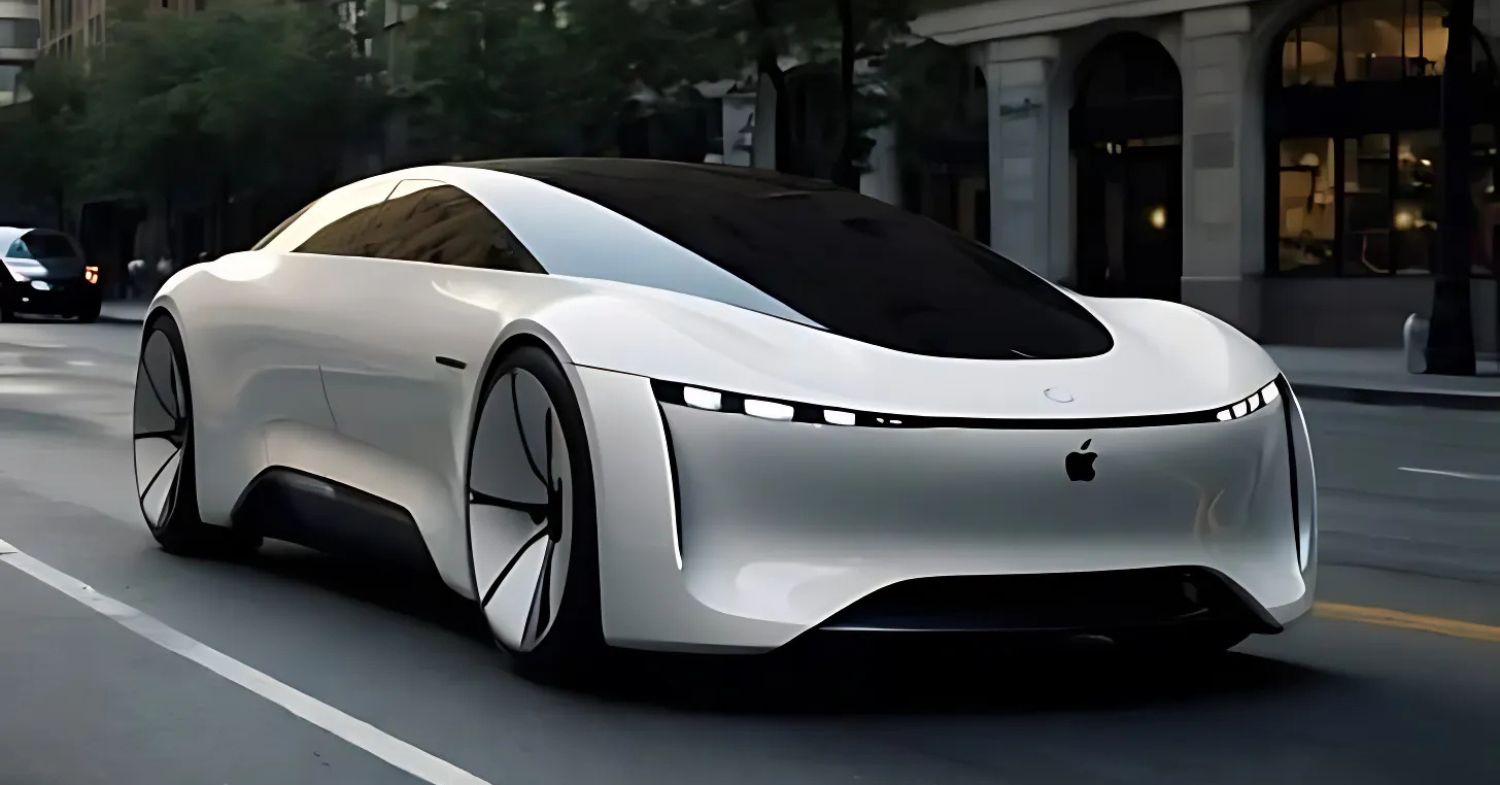


After A Decade Of Development, The Secret Behind Apple’s Electric Car Emerges And Promises To Shake The Foundations Of The Automotive Industry. Find Out What Happened!
The electric car market is booming, with major automakers and even technology companies betting on the future of sustainable mobility. But while names like Tesla, Toyota, and Volkswagen are making strides in this sector, Apple has decided to set aside its ambitious automotive project. Despite years of development and anticipation, Apple’s electric car, known as Project Titan, was paused even before it hit the streets.
The Dream Of An Apple Electric Car
Apple’s journey into the world of electric cars began in 2014, with the hiring of engineers and automotive industry specialists. The company spared no effort and assembled around 2,000 employees to work on the Titan Project, aiming to create an autonomous electric vehicle with the same innovative essence as its electronic devices.
Despite the initial enthusiasm, the project faced a series of challenges. The lack of alignment with the company’s main focus—which has always been on electronics and online services—turned out to be one of the main reasons for pausing the initiative. Additionally, concerns about how to manufacture a car on an industrial scale weighed against the project’s continuity.
-
Hyundai Elantra 2026 Returns with AI, Digital Cabin, and i20-Inspired Design Transformation

-
Jeep Avenger 2027 Unveiled with Hybrid Engine, New Technology, and Estimated Price for Brazilian Market
-
Hyundai HB20 R spec and Sport: Affordable Hatchbacks with Sporty Design and Performance Starting at $11,000

-
ZF Unveils Strategy That Could Transform Global Truck Electrification



Why Did Apple Abandon The Electric Car?
The main reason for Apple’s decision was the difficulty in integrating vehicle production into its business strategy. While its iconic products, such as the iPhone, are manufactured in partner factories, creating a car requires a much more complex logistics chain, from material supply to final assembly.
Another point was the high cost and technological challenges. Although Apple had experimented with autonomous cars equipped with advanced sensors, the technologies needed to create a competitive electric vehicle were still beyond the company’s reach.
Furthermore, in 2023, Apple executives redirected much of the Titan Project team to artificial intelligence areas, indicating that the company prefers to focus its resources on its core products.
The Revolution Of Electric Cars Continues
While Apple chose to step back, other giants continue to lead the electric car market. Tesla, for example, remains a benchmark, offering models with high-performance batteries and an extensive charging station network. Toyota, in turn, is heavily investing in hybrid and electric technologies, focusing on sustainable mobility.
Other traditional automakers, like Volkswagen and Ford, have also embraced the electric revolution. Models like the Volkswagen ID.4 and the Ford F-150 Lightning show that the future of mobility is increasingly electric, with greater range, reduced charging times, and more accessible prices.
Benefits Of Electric Cars
Electric cars are being pointed out as the future, and it’s not hard to understand why. Powered by rechargeable batteries, these vehicles offer benefits that go beyond the environmental impact:
- Zero Exhaust Emissions: This means less air pollution, contributing to cleaner and healthier cities;
- Cost-Effective: Although the initial price is still high, maintenance and charging costs are lower than those of fossil fuel-powered cars;
- Advanced Technology: EVs (electric vehicles) come equipped with connectivity systems, driving assistance, and smart features that enhance the driving experience.
With government incentives and an expanding charging network, electric cars are becoming more accessible and practical for everyday use.
Will Apple Return To The Competition?
Although Apple has paused the Titan Project, the company never rules out new opportunities. Tim Cook, the brand’s CEO, has hinted that autonomous systems and technologies related to the cars of the future remain of interest. This means that the tech giant might return to the mobility market indirectly by offering software and solutions for vehicles from other manufacturers.
Even without direct involvement from Apple, the electric car revolution continues strong. As more automakers invest in cutting-edge technologies and expand the charging infrastructure, consumers have access to more efficient and sustainable options. This global movement not only helps reduce carbon emissions but is also shaping the future of transportation.
And who knows? Perhaps Apple’s electric car is just a postponed dream, waiting for the right moment to surprise the market. After all, when it comes to innovation, Apple knows how to turn ideas into reality.