Portuguese
  Spanish


Archaeological Discoveries in Poland Reveal Neolithic Pyramids with Advanced Techniques of Prehistoric Engineering. Ancient Structures Surprise Experts and Expand Knowledge About Ancient Tombs in Central Europe
One of the most impressive archaeological discoveries in recent years occurred in Poland, where Neolithic pyramids around 5,500 years old have been found, featuring prehistoric engineering so advanced that it even surprises modern engineers. These ancient tombs reveal not only the construction techniques of the early agricultural societies in Europe but also a high degree of social organization, planning, and knowledge of the environment.
This find reinforces the prominence of archaeological discoveries in Poland, enhancing the understanding of prehistoric monumental architecture and burial practices in Central Europe.
The Neolithic Pyramids of Poland: Dimensions and Historical Context
The pyramids were discovered in the village of Dębiany, located in the Lesser Poland region (Malopolska). The team responsible for the discovery is linked to the Archaeology Institute of the University of Kraków. The project was led by archaeologist Marcin M. Przybyła, also from the university, in collaboration with archaeologist Jan Bulas. These pyramids represent the largest Neolithic burial complex ever found in the region, with some structures reaching 150 meters in length — equivalent to almost one and a half football fields.
-
Brazilian Mayor Goes Undercover as Homeless for 24 Hours to Assess Public Services

-
15-Year-Old Entrepreneur Malu Lira Publishes 20 Children’s Books on Financial Education, Earns $500,000, and Expands Her Project to the Amazon Rainforest
-
Entrepreneur Turns Rio Cemetery Canteen into a Successful Snack Chain Generating $4.9 Million Annually and Expanding to Metro Stations

-
Rare fox feared “extinct” found alive on Caribbean island after over two decades without official sightings







Carbon dating indicates that the constructions date between 3700 and 3600 B.C., making them older than the known Egyptian pyramids, such as the one at Giza (2600 B.C.). This data is crucial for re-evaluating the chronology of prehistoric engineering, as it indicates that Neolithic European societies possessed sophisticated technical skills much earlier than previously thought.
In addition to their size and antiquity, the location of the pyramids is strategic: they are near watercourses and on elevated ground, demonstrating advanced knowledge of their relationship with the environment.
Prehistoric Engineering in the Neolithic Pyramids: Construction Techniques and Innovations
The prehistoric engineering applied in these pyramids is extremely advanced for the period. The structures were built on large tree trunks, which formed a strong base. On top of this base, compacted layers of clay and carefully positioned stones ensured stability and durability.
This technique allowed the pyramids to withstand thousands of years of weathering, arriving intact to the present day. The concern with positioning, aiming to avoid flooding and erosion, also demonstrates knowledge of primitive hydraulic engineering.
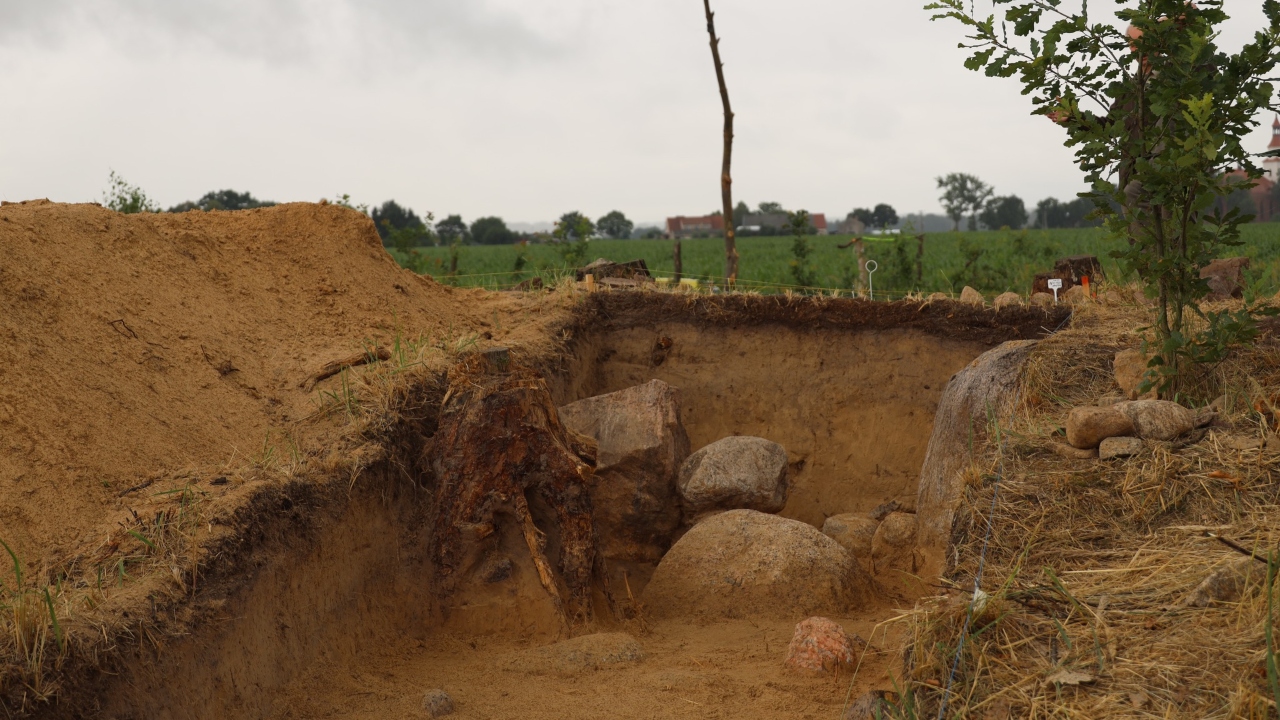
Archaeologist Marcin M. Przybyła, leader of the excavations, highlights that “the geometry and planning indicate that the Neolithic peoples of Central Europe had a social organization capable of undertaking monumental and complex projects.”
Comparison of the Archaeological Discoveries in Poland with Other Ancient Constructions
These pyramids predate iconic monuments like Stonehenge, dating around 3000 B.C., and the Egyptian pyramids. Although they are relatively unknown globally, they are essential for understanding the development of monumental architecture in humanity.
Research indicates that the pyramids served multiple functions: in addition to being burial places, they were spaces for community rituals and religious cults, demonstrating a complex social and spiritual life among the Neolithic peoples of Central Europe.
Importance of the Archaeological Discoveries in Poland for History and Culture
The archaeological discoveries in Poland help deepen the knowledge about the early agricultural communities of Europe. Each new excavation brings information about burial practices, tool use, and social organization.
According to Przybyła, “these pyramids challenge the traditional view of prehistory, revealing a technical and social complexity far greater than we imagined.” The ongoing advancement of research promises to unveil more details about the daily life and beliefs of these peoples.
Modern Technologies Assisting the Study of Ancient Tombs
The application of technologies such as ground-penetrating radar, drones, and 3D modeling was crucial for mapping the pyramids without damaging the archaeological site. This allowed for the identification of internal chambers, underground corridors, and construction details that would be difficult to find through traditional excavations alone.
This multidisciplinary approach enhances the accuracy of analyses and protects the heritage for future generations.
Cultural and Touristic Impacts of the Neolithic Pyramids
In addition to their scientific importance, the archaeological site has the potential to become a significant cultural and tourist destination. Local authorities plan to create a visitor center that promotes the appreciation of prehistoric heritage and boosts the regional economy through sustainable tourism.
Similar cases in Europe demonstrate that this appreciation brings social, economic, and educational benefits, in addition to fostering the continuity of archaeological research.
New Perspectives for Prehistoric Engineering and Ancient Civilizations
The discovery of these pyramids broadens the perspective on prehistoric engineering, showing that advanced knowledge was not exclusive to Egypt and Mesopotamia. The ancient tombs of Poland provide valuable information about beliefs, social organization, and technical capabilities of Neolithic European peoples.
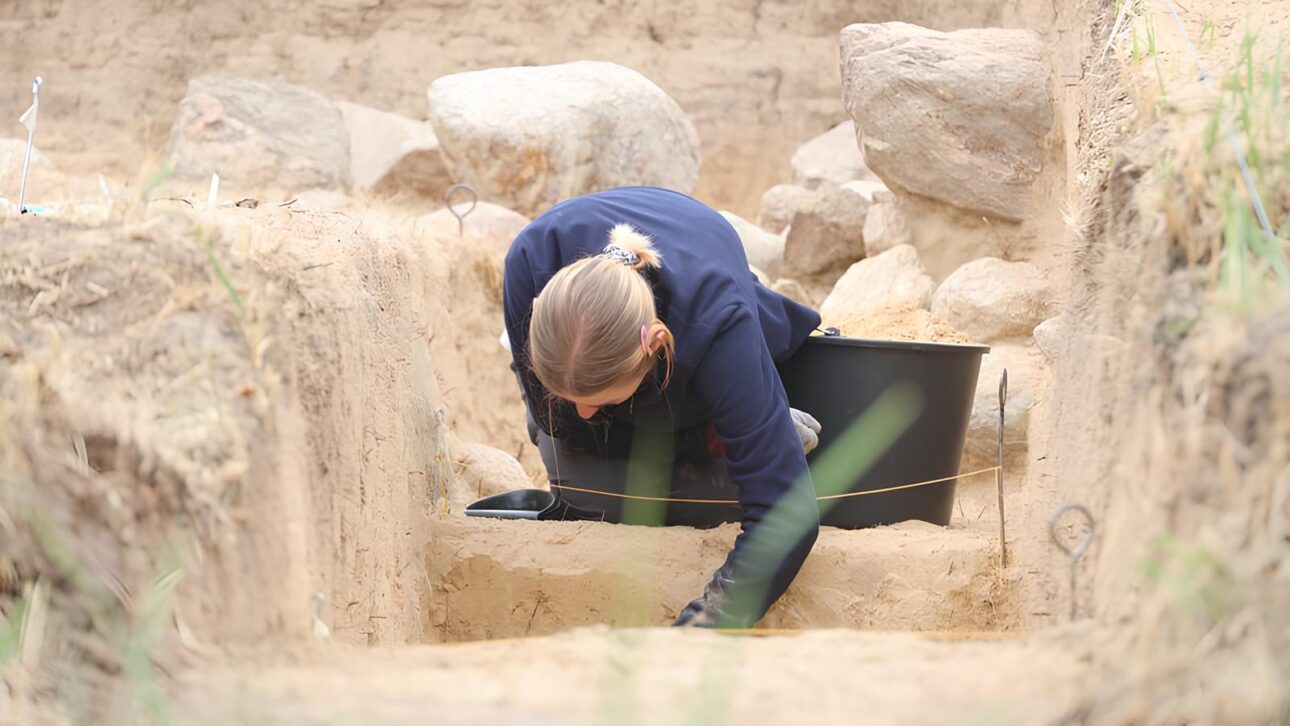
This cultural heritage reinforces the importance of archaeological discoveries in Poland for world history, stimulating the appreciation and study of ancient civilizations on the continent.
With the advancement of excavations and the use of new technologies, it is expected that even more information will come to light, connecting the present to a past that is still underexplored but rich in advances and innovations.
Historical Contextualization of Neolithic Societies in Central Europe
To fully understand the importance of the pyramids, it is essential to contextualize the Neolithic societies of Central Europe. Between 4000 and 3000 B.C., these communities underwent significant transformations, such as the development of agriculture, the domestication of animals, and the establishment of permanent villages.

These changes brought greater social complexity, which is reflected in the construction of burial monuments such as the pyramids of Dębiany. The development of these complexes indicates not only technical advances but also the existence of social hierarchies and rituals that reinforced community cohesion.
Although much is already known, studies on Neolithic pyramids face challenges such as the preservation of sites and interpretation of finds. Interdisciplinarity between archaeology, engineering, geology, and other fields has been fundamental to overcoming these difficulties.
The future of research promises discoveries that may further change the narrative about the origins of engineering and social organization in Europe. International collaboration and investment in technology will be essential to advance in this field.