Portuguese
  Spanish



A Rare Gold Coin Featuring Queen Berenice II Was Discovered in Jerusalem. The Almost Pure Gold Piece Reinforces the City’s Connection with Egypt.
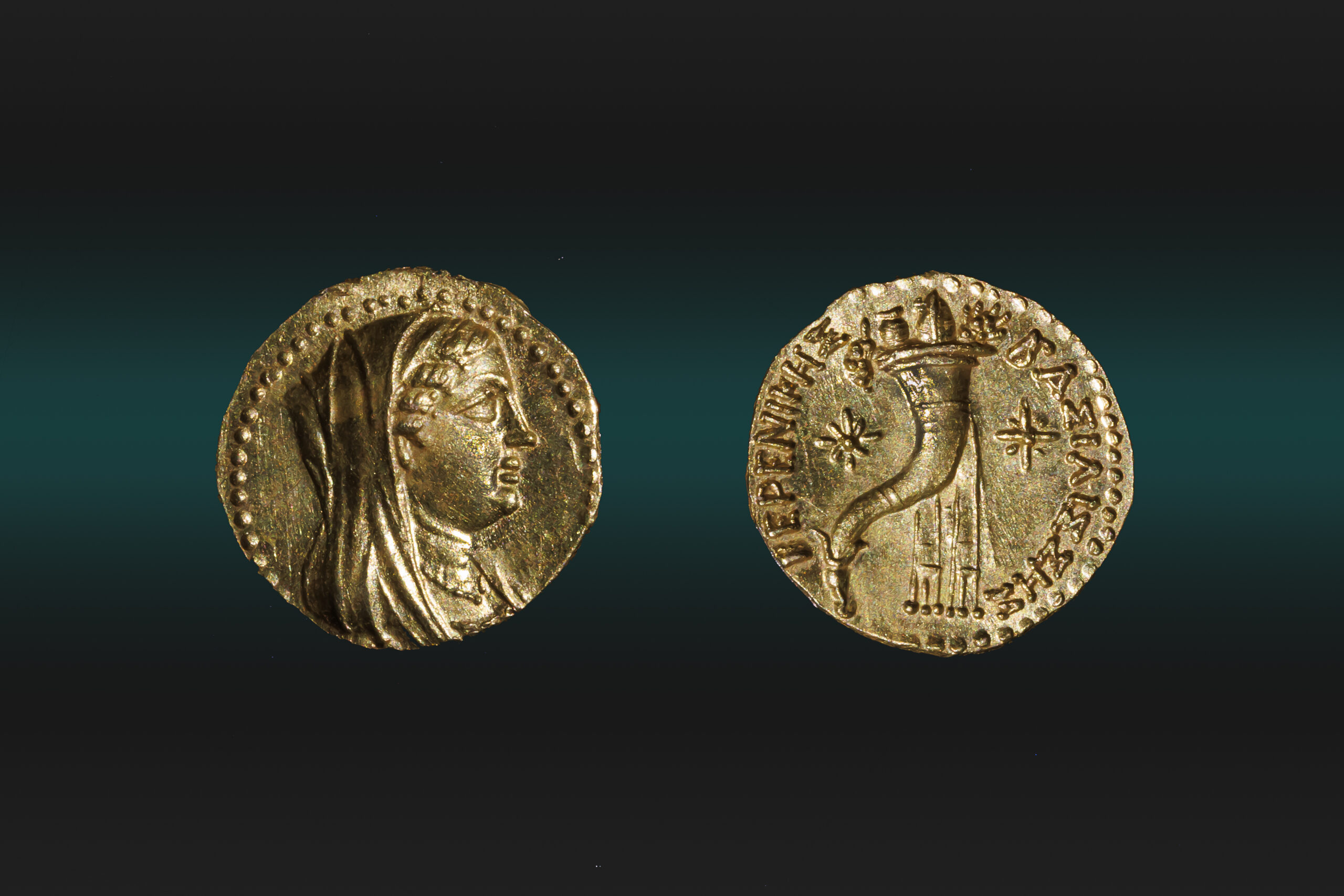
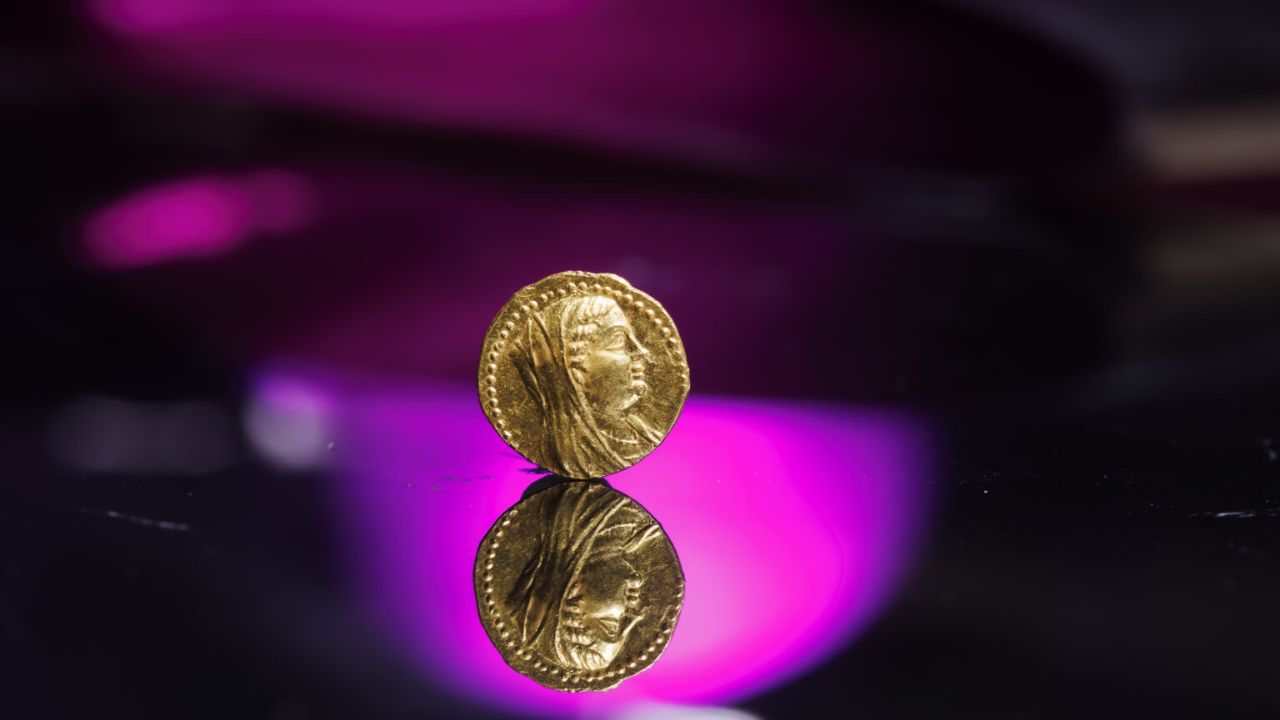
A rare gold coin depicting Queen Berenice II was discovered during excavations in the City of David, in Jerusalem. The artifact, dated between 246 B.C. and 241 B.C., is composed of almost pure gold and becomes the first piece of its kind found in an archaeological site.
The discovery sheds new light on Jerusalem’s position within the networks of power and trade of the Hellenistic world.
Rare Gold Coin: A Unique Piece of Historical and Material Value
The rare gold coin is a quarter drachma minted in Alexandria, Egypt, and has a purity of 99.3% gold.
-
Brazil to Install First Operational Quantum Computers in the Northeast and Establish New Center to Boost Technological Sovereignty

-
Potential Starlink Rival: Company Tests 60-Meter Balloon to Deliver 5G Internet Without Satellites, Prepares for Unprecedented Mission in Japan
-
Android Phones Can Detect Earthquakes Before You Feel Them: How Accelerometers in Billions of Devices Confirmed Two Strong Quakes in Venezuela and Warned Residents Seconds in Advance

-
Scientists Warn WHO: Cat-Linked Parasite Infects One-Third of Global Population, Poses Risks to Vision, Pregnancy, and Neurological Health



Only about 20 similar specimens are known worldwide, making this discovery even more extraordinary.
According to experts, coins of this type were produced on special occasions, such as military payments, possibly linked to the Third Syrian War.
Its preservation and the location where it was found reveal much about the circulation of wealth in the region.
The Representation of Queen Berenice
On the obverse of the piece, Queen Berenice is depicted wearing a diadem, veil, and necklace, symbolizing power and elegance.
The reverse shows a cornucopia, a symbol of prosperity, flanked by stars and the inscription in Greek “of the queen” (“ΒΑΣΙΛΙΣΣΗΣ”).
This detail is noteworthy because the title “queen” was rarely used on coinage during the lives of women of the time.
The inscription suggests that Berenice II held a prominent political position, which was uncommon in the Hellenistic period.
First Discovery Outside Egypt
According to the Numismatic Department of the Israel Antiquities Authority, this is the first gold coin of Berenice II found outside Egypt.
This fact broadens the understanding of the circulation of Ptolemaic coins and Egyptian influence in neighboring territories.
Archaeologist Yiftah Shalev emphasized that the find reinforces the perception that Jerusalem, in the 3rd century B.C., was not isolated but rather an active part of a political and economic network connecting major Mediterranean centers.
The Impact of the Discovery for Jerusalem
The presence of this rare gold coin in Jerusalem suggests that the city was integrated into broader commercial transactions and power routes than previously thought.
The connection with Alexandria, the capital of Hellenistic Egypt, reinforces the hypothesis that Jerusalem had political and economic significance.
Beyond its material value, the artifact is an archaeological testimony to the complex power dynamics that united and confronted kingdoms during the Hellenistic period.
Numismatic and Symbolic Value
Coins like this were not just instruments of exchange but also vehicles for political propaganda.
The choice to emblazon the image of Queen Berenice II with symbols of abundance reinforced the legitimacy of the Ptolemaic dynasty.
For scholars, the find is a clear example of how power utilized numismatics, the science that studies coins and medals, as a strategy for assertion and communication.
The discovery of the rare gold coin of Queen Berenice II is a milestone for archaeology and for the understanding of Jerusalem’s past.