






 Portuguese
  Spanish


In Betânia, in the Moxotó backlands, the artesian well used by José Soares supplies drip tapes over 4 hectares. With a technique learned at Sebrae, the farmer diversified production with banana, mango, coconut, coffee, grape, and more than 13 varieties, according to a report by Marco Zero published in July 2021.
The artesian well with a flow rate of 5,000 liters per hour is one of the bases of the production maintained by José Soares, known as Zé de Sofia, in the rural area of Betânia, in the Moxotó backlands, Pernambuco. The property has only 4 hectares but gathers at least 13 varieties of fruits and vegetables.
The experience was reported in a Marco Zero article, signed by Géssica Amorim and published on July 6, 2021. At the time, José Soares was 60 years old and cultivated common and uncommon species for the region, combining underground water, a submersible pump, and drip irrigation to reduce direct dependence on rainfall.
Underground water began to support a more diversified production
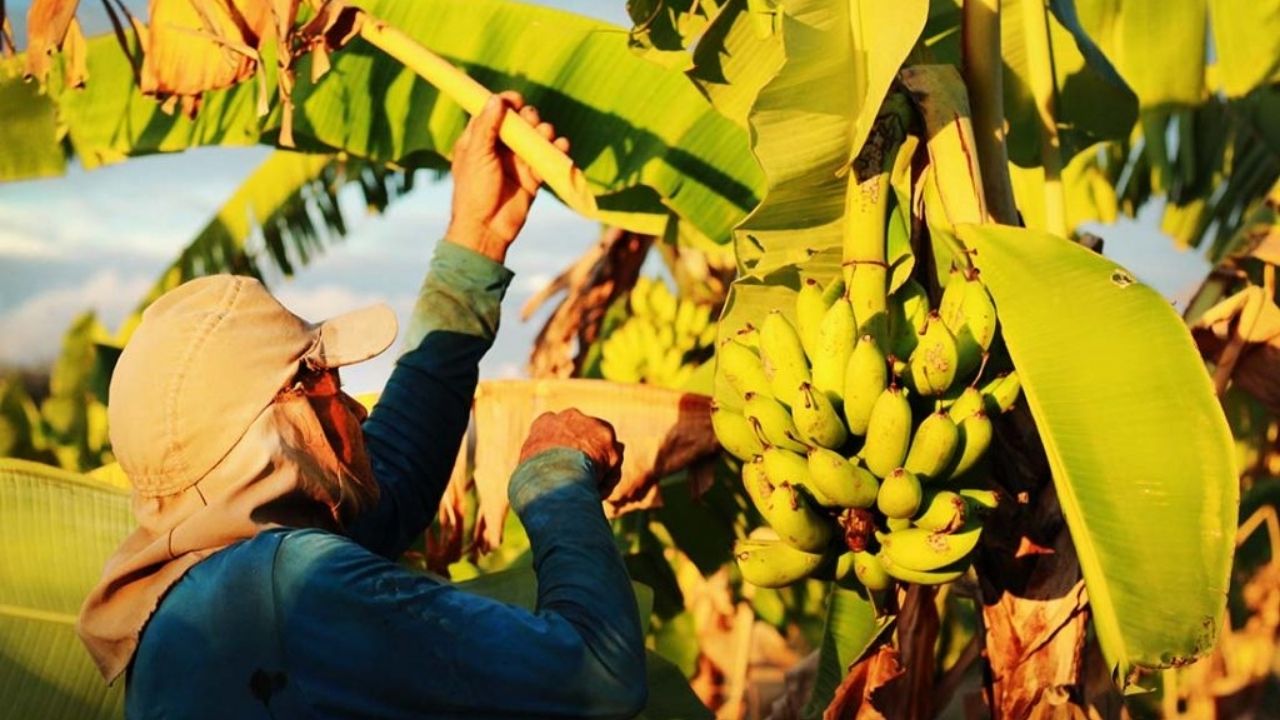
On the property located about 396 kilometers from Recife, the artesian well allows water to reach the plants through a drip irrigation system. The flow rate reported in the article is 5,000 liters per hour, a volume that supplies the drip tapes spread across the land.
-
Recycled PET Bottles to Become Eco-Friendly Insulation Solution by 2026: Reduces Heat and Noise, Resists Moisture and Mold

-
2,500-Year-Old Biblical Figurine Discovered by Israel Antiquities Authority Sheds Light on Ancient Child Protection and Fertility Rituals in the Negev Desert

-
Young Innovator from the Brazilian Amazon Develops Acai Seed Brick, Turning Fruit Waste into Building Material, Wins Over 25 Awards, Showcases Globally
-
From Street Vendor to Startup Success: At 25, Brazilian Entrepreneur Projects $90 Million Revenue by 2026 Solving Retail Giants’ Challenges


This type of structure changes the logic of production in an area marked by irregular rainfall. Instead of concentrating planting only on seasonal crops, the farmer began to organize water use in a more constant, directed manner, compatible with different types of plants.
The central point is not just having water available, but controlling how it reaches the soil. Drip irrigation releases water in small amounts, near the roots, which helps avoid waste and makes it possible to manage different crops in the same space.
The report states that Zé de Sofia cultivates banana, mango, papaya, coconut, pomegranate, acerola, guava, cashew, pineapple, and soursop. Also present on the land are less expected crops for that local context, such as coffee and grape, which require more attention to management.
Technique learned in Petrolina helped organize the system
Before returning to the Moxotó hinterland, José Soares lived for almost two decades in Petrolina, in the São Francisco Valley. The region is recognized for the strength of irrigated fruit farming and served as a practical learning environment for the farmer to observe more diversified production methods.
According to Marco Zero, he began investing in these crops four years before the publication of the report. The knowledge used on the property came, in part, from a six-month course taken at the Brazilian Service of Support for Micro and Small Enterprises, Sebrae, when he still lived in Petrolina.
In practice, this learning appeared in the installation of drip tapes, marking irrigation points, and using a submersible pump to increase water pressure. The pump allows the artesian well water to be distributed more consistently across the productive area.
The difference lies in the combination of technical knowledge and direct application on the land. The artesian well provides the water, but the system only works efficiently because there is planning in distribution, plant spacing, and seedling maintenance.
Initial investment was below R$ 10,000, according to the farmer
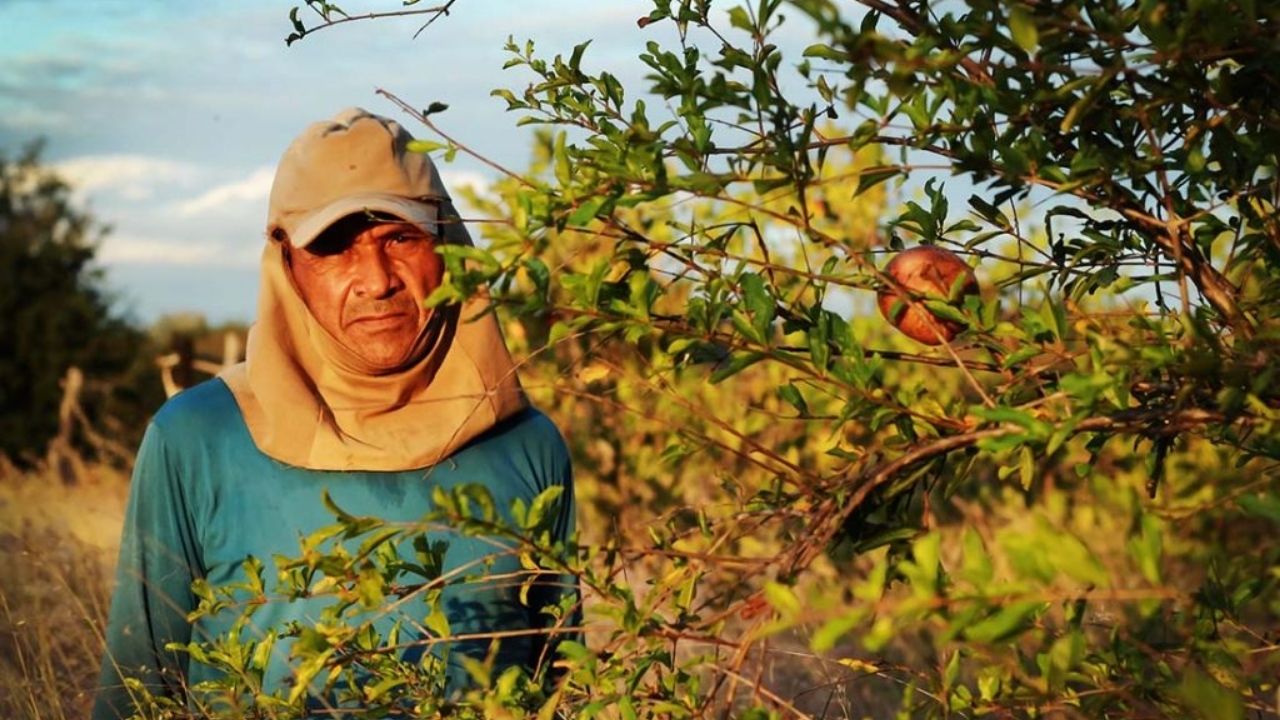
The report states that José Soares claimed to have spent less than R$ 10,000 to install the irrigation system and start production, including the purchase of seedlings and fertilizers. The amount was cited by the farmer himself to Marco Zero, within the context of implementing the structure on the land.
He also reported having done stages such as installing the pump, marking the drip tape points, planting, and initial seedling maintenance by himself. This information helps to understand the scale of the project: it is a small structure, organized on 4 hectares, but with water planning and agricultural diversity.
The investment data should not be read as a ready-made formula for any property. The cost of an artesian well, pumps, irrigation, and seedlings can vary depending on soil, water depth, available energy, labor, distance from suppliers, and local requirements.
Even so, the case shows how a well-designed irrigation system can expand the possibilities of a small rural area. Production does not depend solely on the size of the land, but on the ability to manage water, soil, seedlings, and maintenance throughout the year.
More than 13 varieties occupy an area of just 4 hectares
Instead of working only with more traditional crops in the region, such as beans, corn, and cassava, Zé de Sofia began testing various fruits and vegetables. The list presented by Marco Zero includes species with different requirements, making the organization of irrigation even more relevant.
The cultivation of grapes and coffee in the Moxotó backlands draws attention precisely because it deviates from the more common pattern of the local agricultural landscape. These crops do not appear in the report as large-scale production but as part of a diversification conducted within the property.
Diversification reduces dependence on a single crop and can improve the utilization of the area. On a small property, combining different species can better distribute risks, production cycles, and possibilities for consumption or sale.
The original article also states that Zé’s land bears fruit all year round. This result is directly linked to irrigation, as the farmer is not restricted only to the rainy season to keep some of the plants developing.
Production is not yet organic or agroecological
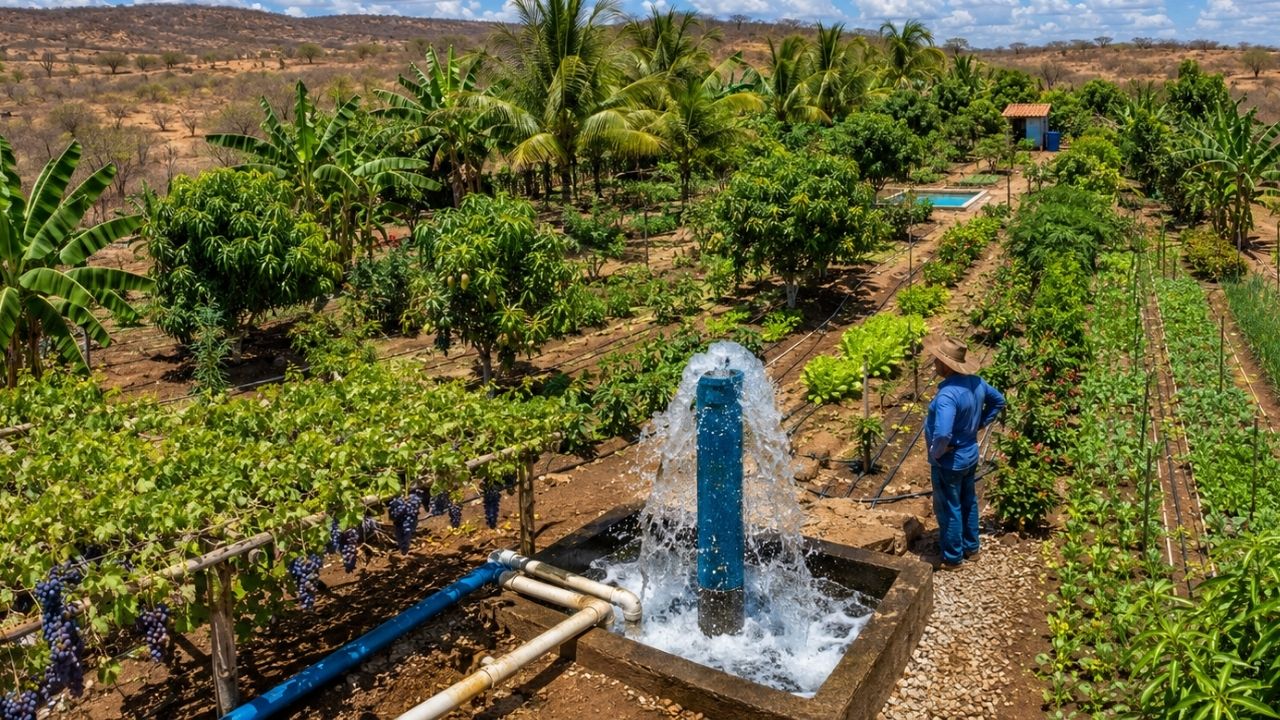
Despite the variety of foods cultivated, the report makes it clear that José Soares’ production is not yet organic and does not use agroecological techniques. In the case of grapes, for example, there is a need for the application of chemical fertilizers, as informed by Marco Zero.
This point is important to maintain journalistic accuracy. The case shows water management and productive diversification, but it should not be presented as organic production, agroforestry, or an agroecological model, because the source does not support this classification.
The report itself states that this could be a next step desired by the farmer. To advance in this direction, access to technical guidance, knowledge exchange, and appropriate practices for healthy soil and crop management would be necessary.
In this context, Marco Zero mentions the Brazilian Semi-Arid Articulation, ASA, a network formed by more than three thousand organizations. The entity works on topics such as water storage, agroecology, seeds, and guidance for planting in semi-arid states.
The case shows the importance of technical information in the semi-arid
The experience in Betânia reveals how the artesian well, when combined with drip irrigation, can change the productive capacity of a small property. Groundwater is the starting point, but it does not work alone: the result depends on technical knowledge, crop selection, and constant management.
The report also shows that many farmers in the region could benefit from practical information about field technologies. This includes efficient irrigation, rational water use, seedling selection, soil analysis, fertilization, and ways to coexist with the semi-arid.
Zé de Sofia’s example does not eliminate the importance of public policies and technical assistance. On the contrary, it reinforces that the dissemination of knowledge can help small producers make better use of their areas, as long as they respect local conditions and environmental limits.
ASA appears in the report as a reference in this debate, especially for programs aimed at water access, such as the One Million Cisterns Program, known as P1MC. The initiative seeks to capture and store rainwater in cisterns near the homes of rural families.
Water, management, and crop selection define the future of small production
The 5,000-liter artesian well per hour in Betânia has become part of a productive structure that combines water, drip irrigation, and crop diversity. The result is a small property, but with greater agricultural variety than traditionally associated with the surroundings.
The case shows that producing in the hinterland does not only depend on waiting for rain or repeating seasonal crops. It also involves access to water, technical learning, soil use planning, and decisions about which species make sense in each area.
José Soares’ experience helps broaden the discussion about productive coexistence with the semi-arid. It is not about presenting a single solution, but about showing how simple technology, applied knowledge, and water management can open new possibilities for small farmers.
Do you think systems like artesian wells and drip irrigation should receive more technical guidance in the semi-arid region? Leave your opinion in the comments and tell us if this type of production could work on other small rural properties.


