






 Portuguese
  Spanish


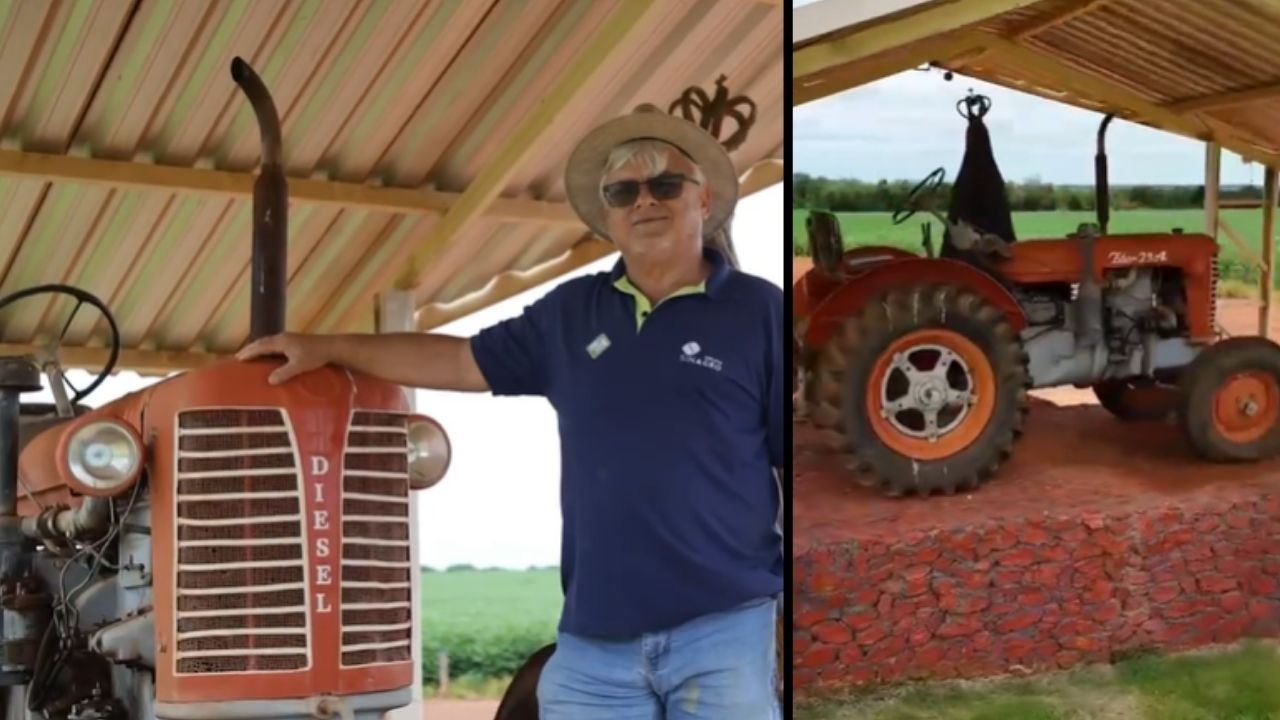

A 25 HP tractor, today preserved in replica by the family of Antônio Sadi Baldo, summarizes the technological change in the field. In Água Boa, Mato Grosso, the producer’s trajectory shows how mechanization, family succession, and rural management walk together in modern agriculture, according to information released by Aprosoja MT.
The farmer Antônio Sadi Baldo, a member of Aprosoja MT since 2005, began following soybean planting at the age of 12, still in Rio Grande do Sul. Decades later, at the age of 70, he observes the evolution of the tractor in the field, comparing the family’s first machine, of 25 HP, to current models that reach 400 HP.
The story was published by the Association of Soybean and Corn Producers of the State of Mato Grosso on March 25, 2025. The case involves the producer’s trajectory in different agricultural regions, the arrival in Água Boa in the early 2000s, and the participation of children and grandchildren in the continuity of rural activity.
The simple tractor that marked the beginning of family mechanization
The replica of Antônio Sadi Baldo’s family’s first tractor now occupies a symbolic space within the property. The original machine had 25 Horse-Power, or 25 HP, a power very distant from the equipment currently used in large-scale mechanized agriculture.
-
Archaeologists Uncover 4,000-Year-Old Noodles in China’s “Pompeii,” Challenging the Origins of One of the World’s Most Popular Dishes

-
8-Year-Old Girl Finds 1,500-Year-Old Pre-Viking Sword in Swedish Lake

-
Brazilian Woman Fired After Maternity Leave Starts Street Sweet Business with $5, Now Produces 5 Tons Monthly with 21 Employees in Southeast Brazil

-
Father Sells 10-Year-Old Daughter to Feed Family Amid Crisis; Mother Tries to Undo Marriage in Camp Where Hunger Pushes Families to the Brink


According to information released by Aprosoja MT, that tractor was acquired by the family about 70 years ago and was shared among three partners. The equipment was not just a work tool; in that context, it was also part of the practical organization of the routine in the field.
The contrast between a 25 HP tractor and current 400 HP machines helps to measure the transformation of Brazilian agriculture in a few generations. The comparison shows less a nostalgic curiosity and more a structural change in the way of producing, planning, and managing a rural property.
At the time, mechanization was still limited. The work depended on simple equipment, without a cabin, with lower power and less operational comfort. The technological evolution, seen today in the power of tractors, in management systems, and in productive capacity, has profoundly changed the routine of producers and teams.
From soybeans in Rio Grande do Sul to agricultural expansion in Mato Grosso
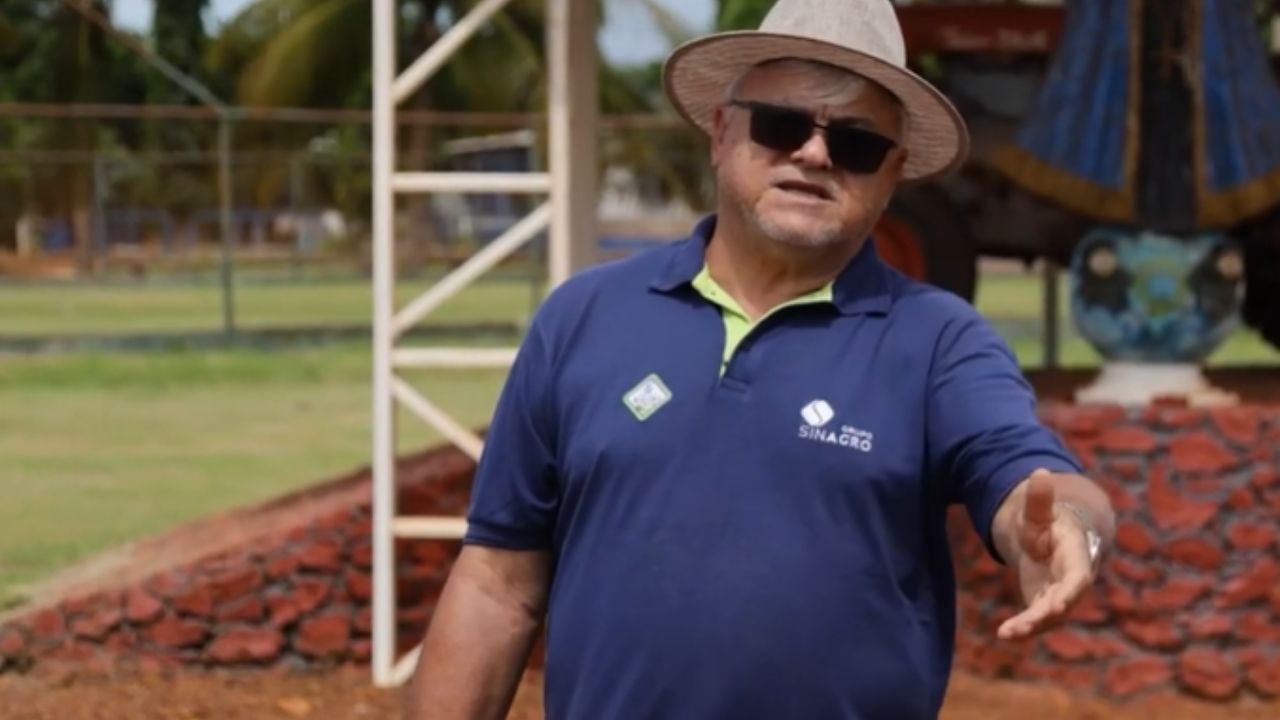
Born in Santa Bárbara do Sul, in the Middle Plateau of Rio Grande do Sul, Antônio Sadi Baldo had early contact with agriculture. At the age of 12, he began helping his father with soybean planting, an activity that would become the axis of his professional life.
Later, at the age of 26, he moved to Jataí, in Goiás, where he spent 22 years cultivating soybeans and corn. The source reports that this period was marked by financing difficulties, market fluctuations, and a less structured agricultural system than the current one.
The move to Mato Grosso occurred in the early 2000s, when Sadi arrived in Água Boa with his wife and three children. The region offered favorable conditions for soybean cultivation and space for production expansion, factors that helped consolidate a new stage of the family’s rural business.
The trajectory shows how the decision to change regions was linked to the search for scale, productive structure, and agricultural opportunity. Instead of treating the story as individual drama, the case reveals a common dynamic in many properties: constant adaptation to market, technology, and territorial conditions.
Family succession becomes part of property management


With advancing age, Sadi began to share more responsibilities with his sons, Vinícius and Leonardo. According to Aprosoja MT, the two grew up following the property’s routine and today take on the management of the rural business.
Family succession appears as one of the central points of the story. The producer told the entity that the sons always followed the work in the field and gradually began to receive administrative responsibilities. For him, this gradual experience made a difference in the continuity of the activity.
In the field, succession does not depend only on inheritance, but on preparation, practical experience, and participation in decisions. The presence of the sons in management indicates a transition built over time, with a progressive transfer of tasks and knowledge.
Besides the sons, two of Sadi’s grandsons are studying agronomy, according to the source. The technical training of the new generation points to another important aspect of contemporary agriculture: the need to combine rural experience with academic knowledge, management, technology, and market insight.
Modern tractor also changed the way of managing the field
The comparison between the old 25 HP tractor and the current 400 HP models is not limited to power. It symbolizes the transition from a more manual agriculture to an increasingly mechanized, planned, and technically dependent productive system.
Sadi recalled, in a statement to Aprosoja MT, that in his time the work was done with a tractor without a cabin, under sun and cold, directly exposed to weather conditions. Today, the operational reality is different, with more modern machines and greater protection for those working in the field.
This advancement does not eliminate the challenges of agriculture, but changes the type of demands on producers and teams. The field now requires more management, maintenance, cost control, technical knowledge, and the ability to keep up with equipment evolution.
When the tractor gains power, cabin, and technology, the farm also changes its way of operating. The machine ceases to be just a tool of force and becomes part of a larger structure, connected to productivity, efficiency, and crop planning.
Aprosoja MT appears as an entity supporting rural producers
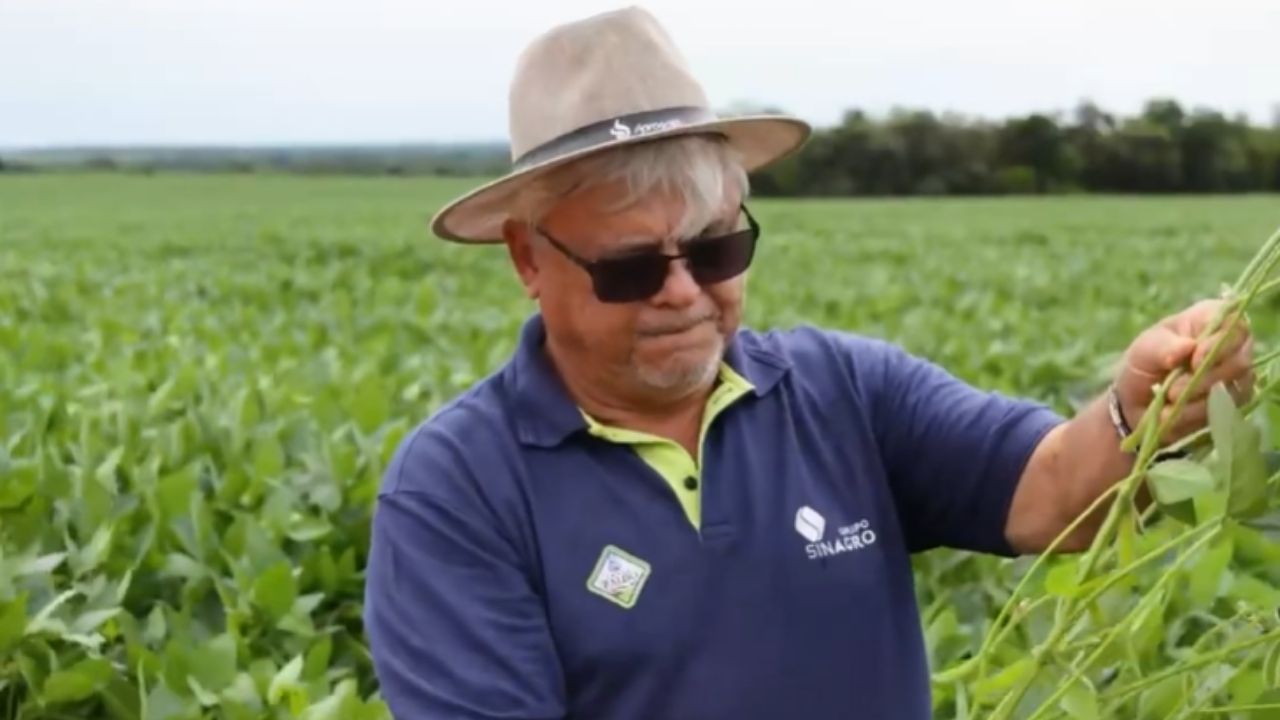
Another point mentioned in the source is Antônio Sadi Baldo’s relationship with the Association of Soybean and Corn Producers of the State of Mato Grosso. He has been a member since 2005 and attributes an important role to the entity in defending the interests of the agricultural sector.
In a statement published by Aprosoja MT, Sadi stated that the association “has made all the difference” for producers and highlighted the entity’s role in the development of agriculture. The statement was presented in the institutional context of the association, which brings together soybean and corn producers in the state.
Aprosoja MT informs on its website that it has more than 9,000 members, 35 regional centers, and more than 10 projects supporting rural producers. These numbers help contextualize the entity’s reach within the agricultural sector in Mato Grosso.
For family properties in the process of modernization, sectoral entities can function as a bridge between field demands, institutional representation, and access to strategic information. In Sadi’s case, the association appears as part of the organization environment of the local agribusiness.
Mechanized agriculture seen by three generations in the same business
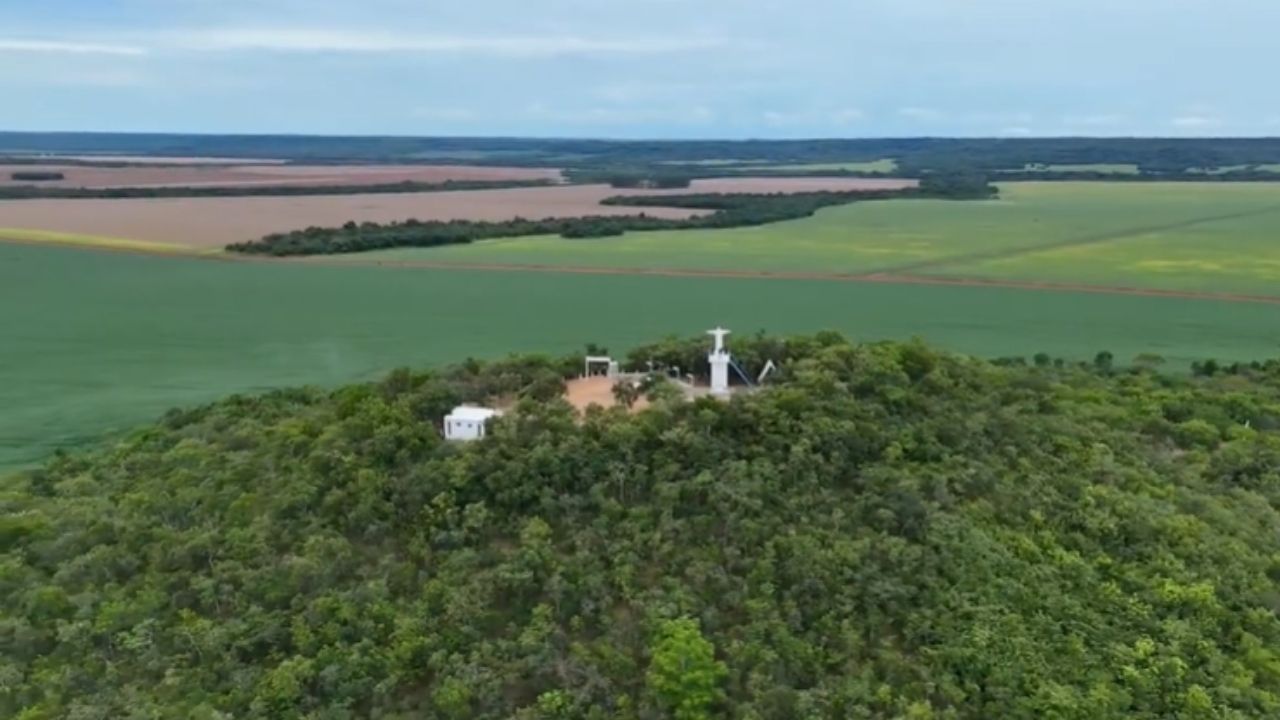
The presence of the tractor in Sadi’s history helps to show how mechanized agriculture has transformed over three generations. The 25 HP machine, shared among partners, represents a period when mechanization was still initial within the family.
Today, the comparison with 400 HP tractors shows another productive level. The power leap reveals the expansion of agricultural scale, the intensification of machine use, and the professionalization of work in the field, especially in regions of strong soybean and corn production, like Mato Grosso.
At the same time, the continuity of the business depends on people prepared to deal with this new scenario. Children in management and grandchildren studying agronomy show that modernization is not only in the equipment but also in the training of those who will operate, decide, and plan.
The tractor kept in replica functions as a management marker: it shows where the family came from, but also helps to understand the extent of the change that has reached the field. The question that remains is how future generations will balance tradition, technology, and productive responsibility.
Do you think family succession is still the biggest challenge for rural properties, or has technology become more significant in the continuity of the business? Leave your opinion in the comments and share how you see this transformation in the Brazilian countryside.


