Portuguese
  Spanish


The night sky in July will have a New Moon on July 14, Venus near the Moon, Buck Moon on July 29, meteor showers at the end of the month, and the Milky Way visible in dark locations, with opportunities for observers with the naked eye, binoculars, and planning during favorable nights.
The night sky in July promises to gather some of the most anticipated astronomical events of the month, with planetary alignments, New Moon, Venus near the Moon, Buck Moon, meteor showers, and the gradual observation of comet 10P.
According to The Daily Galaxy, in June 2026, the calendar interests both casual observers and amateur astronomers because several phenomena can be seen with a clear sky, little artificial light, and some planning. Some events appear before dawn, others right after sunset, while the end of the month concentrates meteors and the full moon of July.
July begins with alignments before dawn
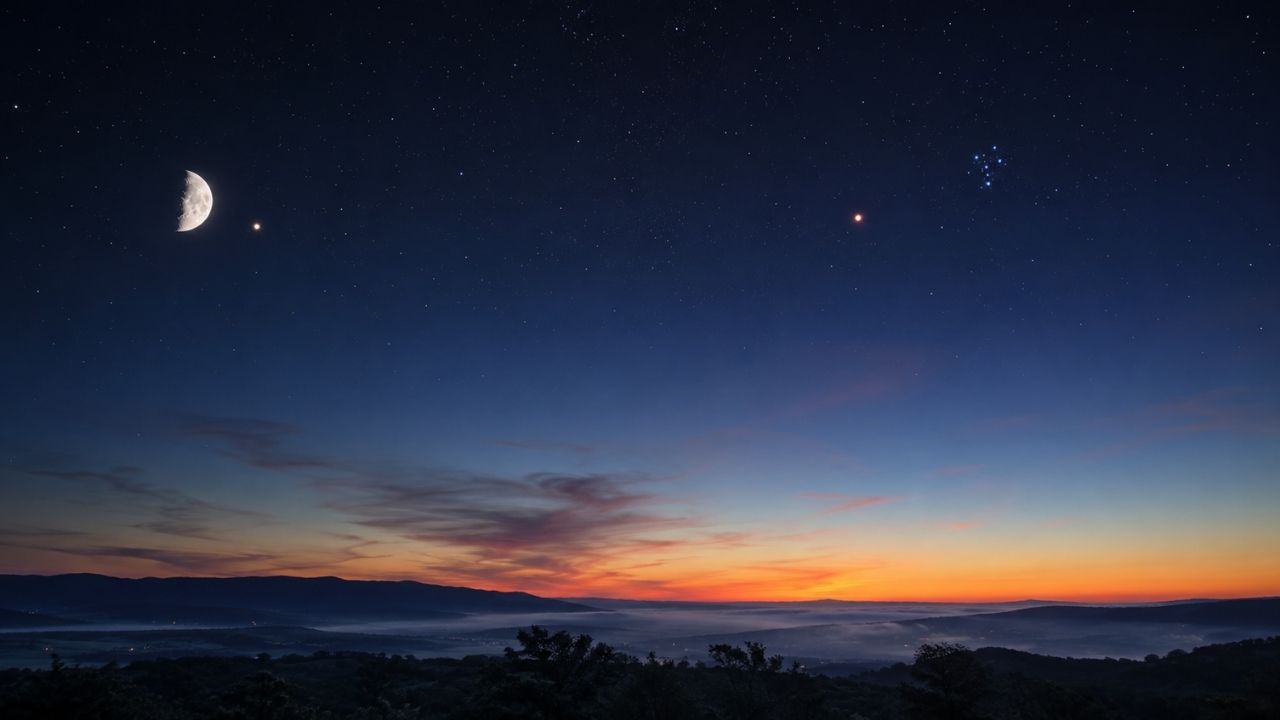
The first half of the month will be marked by visible encounters for those willing to look at the sky before sunrise. On the nights of July 7 and 8, Saturn will appear near the waning quarter Moon, creating a scene that can be observed with the naked eye.
-
Fisherman Catches 18kg Catfish Near Brazil’s Itaipu Lake, Among Largest Recorded in Recent Years

-
Wet phone: Apple and Samsung warn against using rice to dry it, as it may release particles and worsen USB port damage.

-
Despite Extreme Heat, Politicians Reject Air Conditioning to Protect the Environment

-
New Bridge Between Tocantins and Pará Transforms Daily Commute, Replacing Costly Ferry Crossings in Brazil


As the early morning progresses, Mars and the Pleiades cluster also come into view, creating a gathering of bright objects on the eastern horizon. This type of alignment draws attention because it transforms a simple observation into a scene with several points of interest at the same time.
Moon, Mars, and Pleiades form a triangle on the 11th
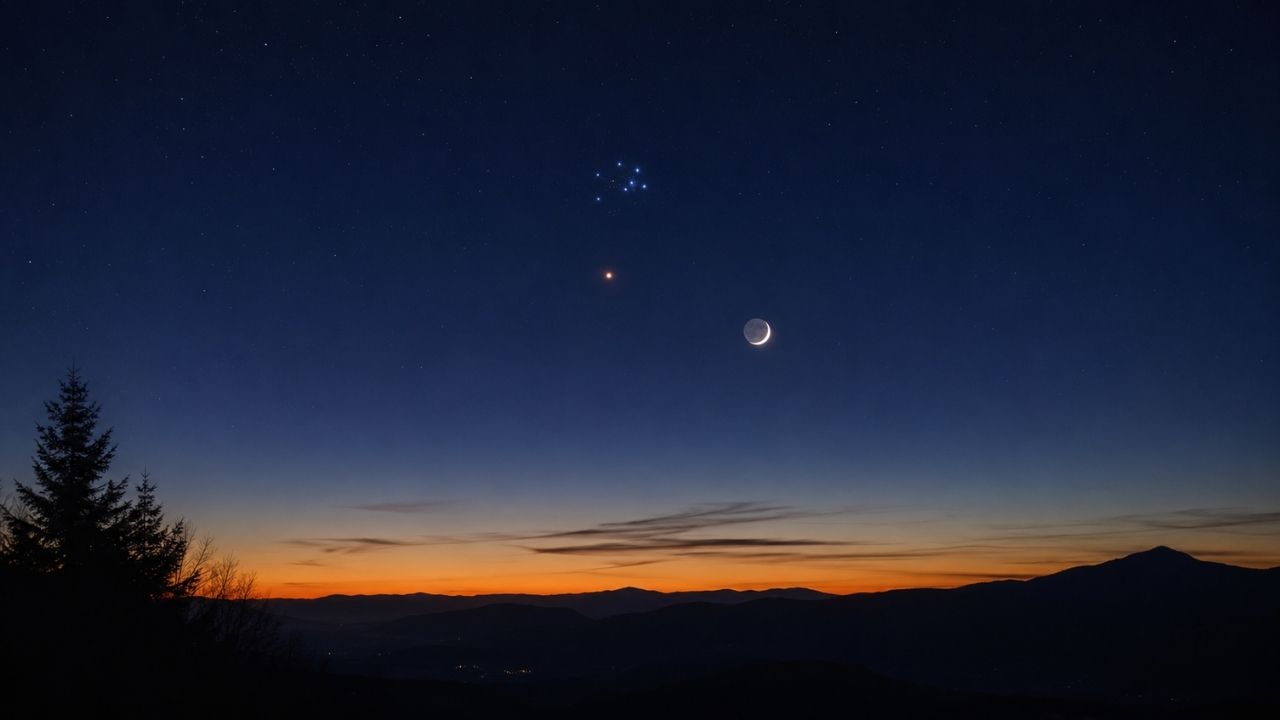
A few days later, on July 11, the July night sky once again offers a photogenic formation. A thin crescent Moon will appear close to Mars and the Pleiades, forming a compact triangle in the sky before dawn.
The formation can be seen about two hours before sunrise, above the eastern horizon. To the naked eye, the grouping should already catch attention, but binoculars can reveal more stars within the Pleiades, one of the most well-known and recognizable open clusters visible from Earth.
New Moon opens window to observe the Milky Way
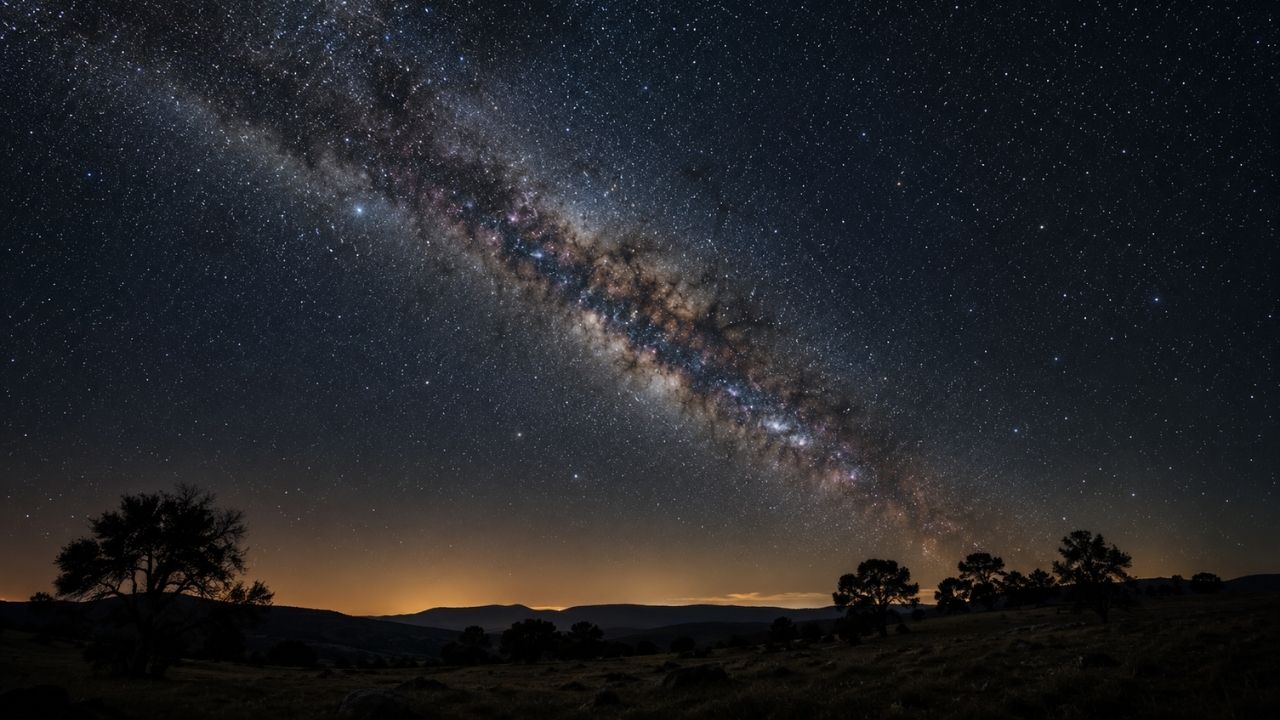
The New Moon on July 14 will be one of the most important moments for those wishing to observe stars, nebulae, and dimmer regions of the sky. Without the Moon’s glow illuminating the night, dark areas become much more favorable for seeing details that usually disappear under lunar brightness.
This period is highlighted as one of the best opportunities in July to observe the central region of the Milky Way. In areas away from light pollution, the galactic core may appear as a bright band crossing the southern sky, especially for those who allow their eyes to adjust to the darkness for a few minutes.
Dark sky favors more difficult objects
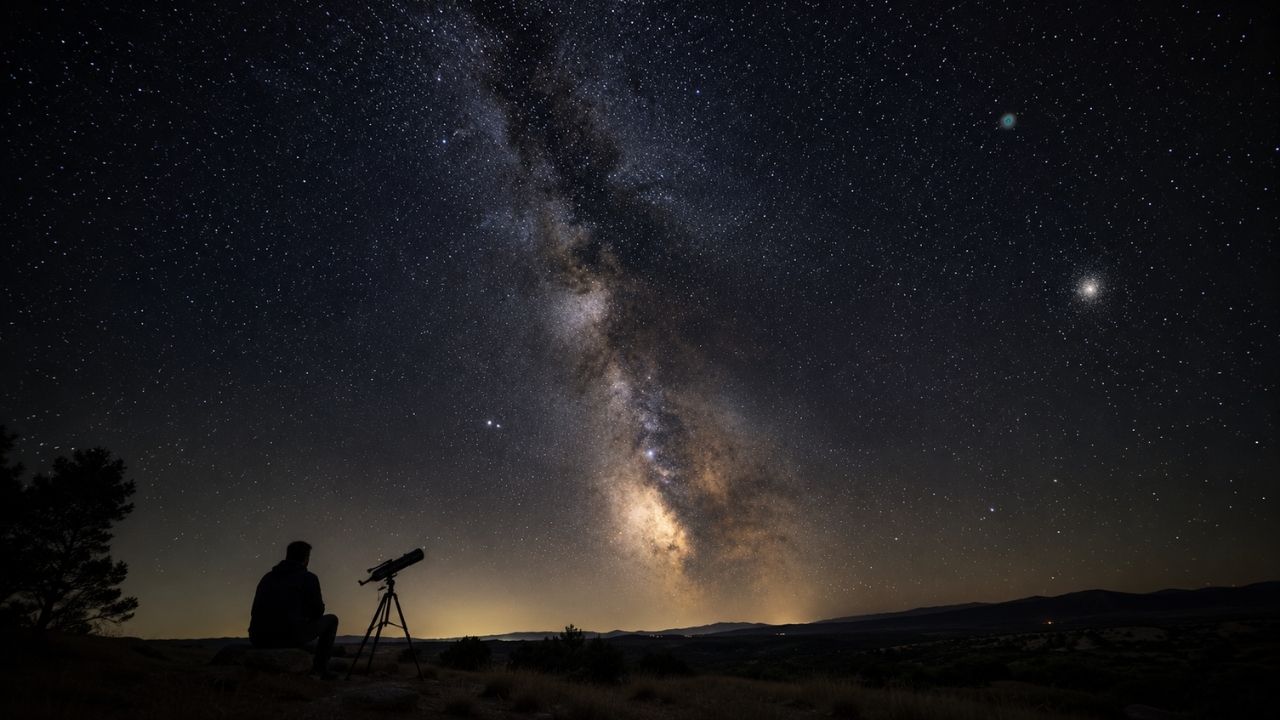
The absence of moonlight also aids in observing deep-sky objects. Among the mentioned targets are the Ring Nebula and the Great Hercules Cluster, which require better conditions and, in some cases, instruments like binoculars or small telescopes.
The asterism known as the Sagittarius Teapot can also serve as a visual guide to locate the brightest part of the Milky Way. For beginner observers, this type of reference makes sky navigation easier and makes the July night sky more accessible, even without advanced equipment.
Venus appears near the Moon after sunset
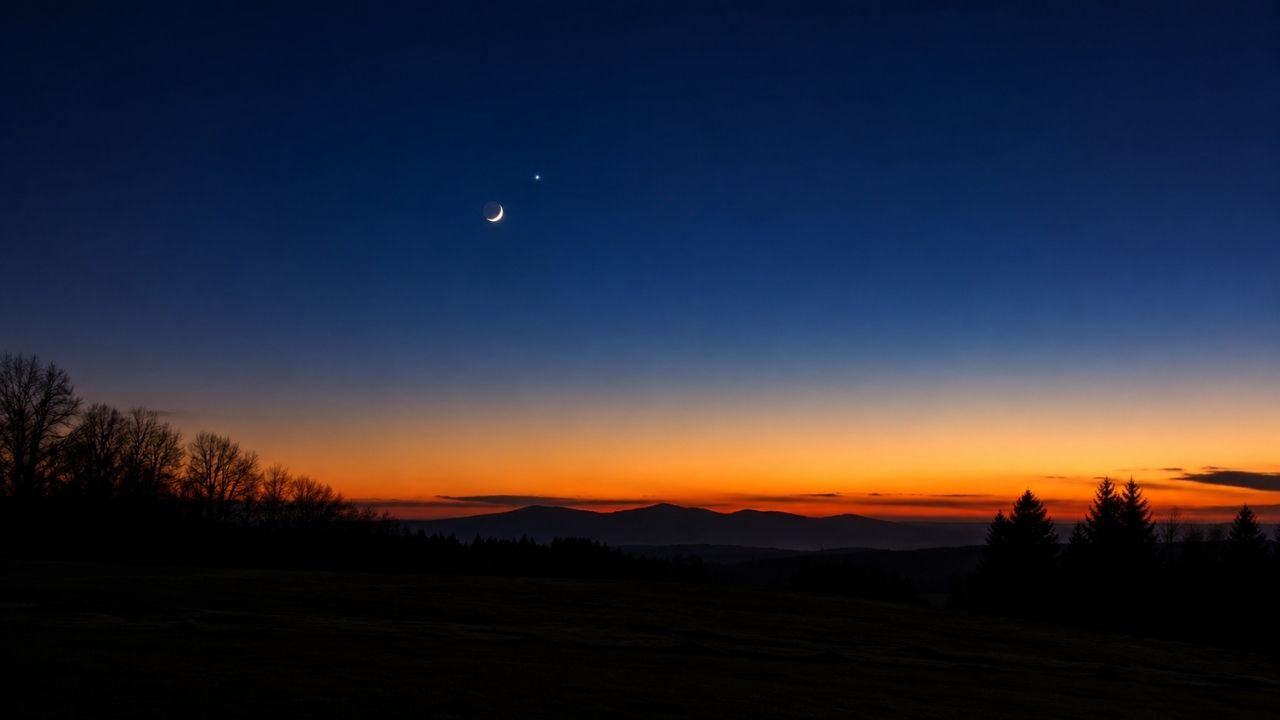
On July 17, the highlight shifts to the early evening. Venus will appear close to a delicate crescent Moon above the western horizon, shortly after sunset. The planet will be visible for a few hours before setting, but its intense brightness makes it easy to identify.
This encounter will be one of the simplest events to follow in the month, as it occurs at a more comfortable time for the general public. The combination of bright Venus, thin Moon, and twilight sky also creates a strong opportunity for photography.
Buck Moon lights up the end of the month
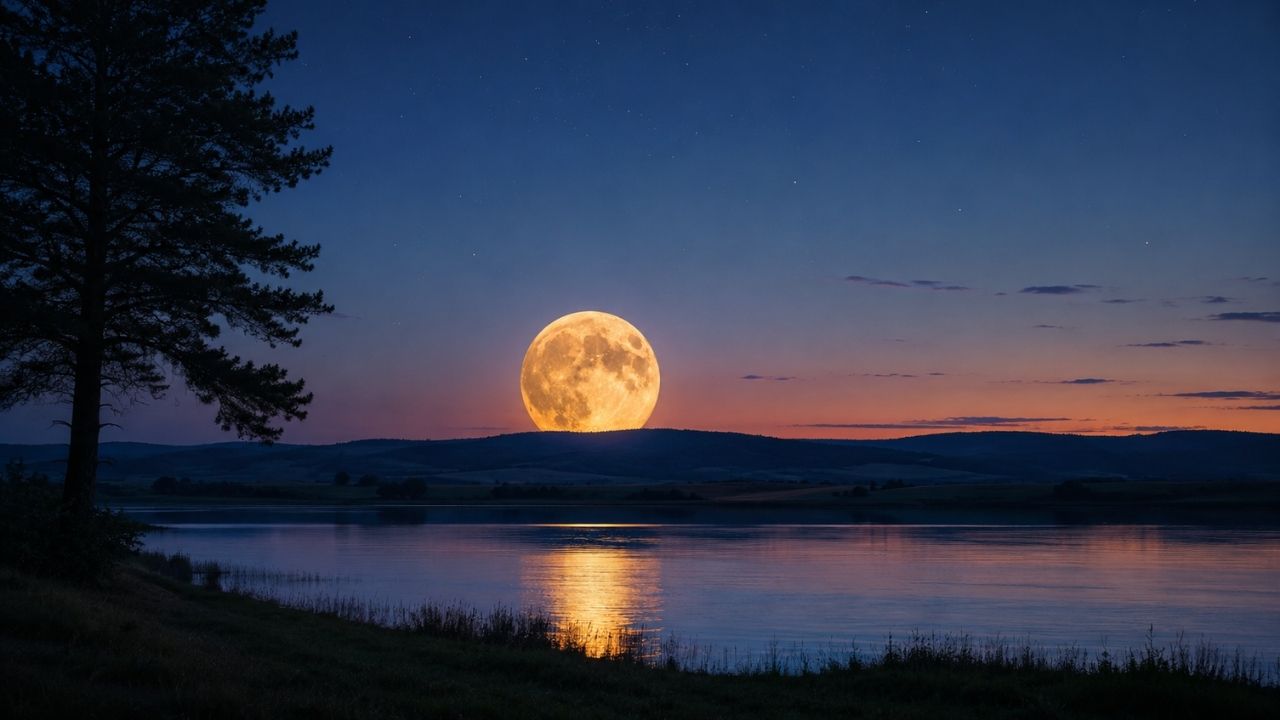
The Buck Moon reaches maximum illumination on July 29. The name is associated with the period when male deer rapidly develop new antlers, a tradition that ended up marking the full moon of July in popular observation calendars.
The best time to observe the Buck Moon is usually when it rises or sets near the horizon. Under these conditions, the lunar optical illusion can make the disk appear larger than it actually is. The visual effect tends to be more striking on the nights of July 28 and 29.
Two meteor showers close July
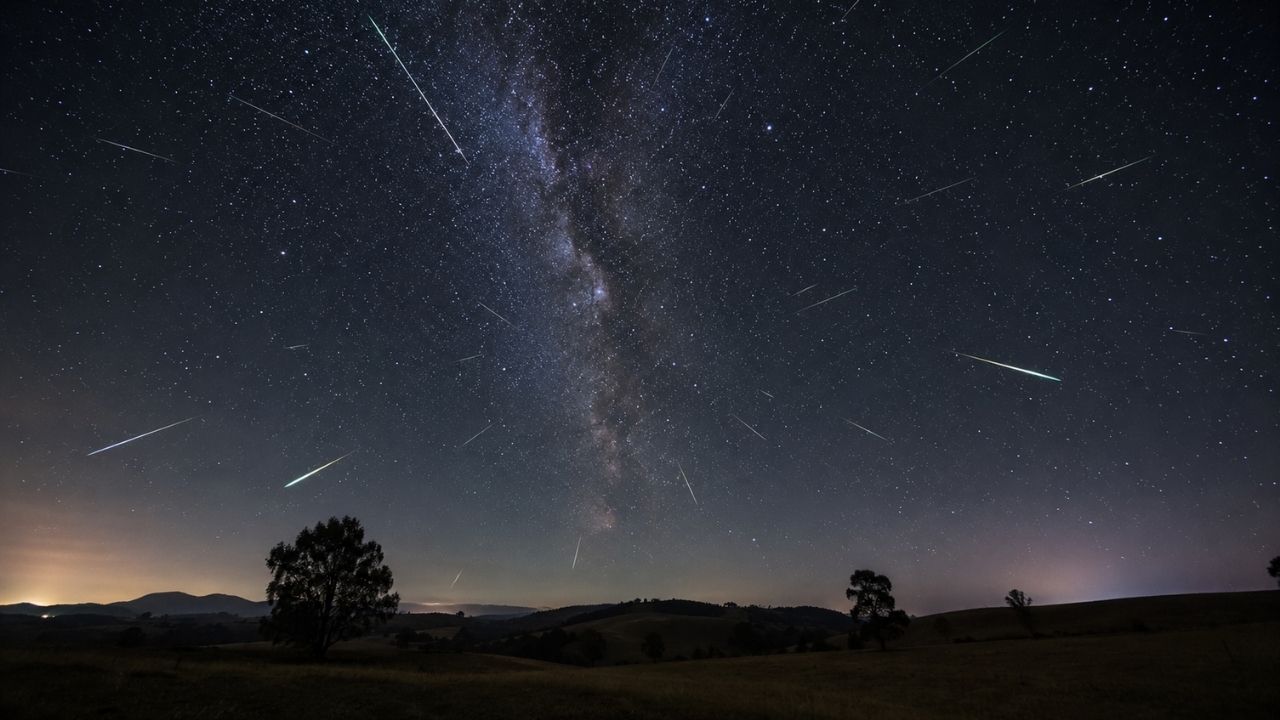
The end of the month will have two meteor showers peaking almost simultaneously. The Southern Delta Aquariids are active from July 12 to August 23, but reach peak activity on the nights of July 30 and 31, potentially producing about 20 meteors per hour under ideal dark sky conditions.
This shower favors observers in the Southern Hemisphere, although some meteors can also be seen at more northern latitudes. For those following the July night sky in Brazil, the event has special appeal because it combines a favorable time, long duration, and a greater chance of observation in areas with little artificial light.
Alpha Capricornids may produce fireballs
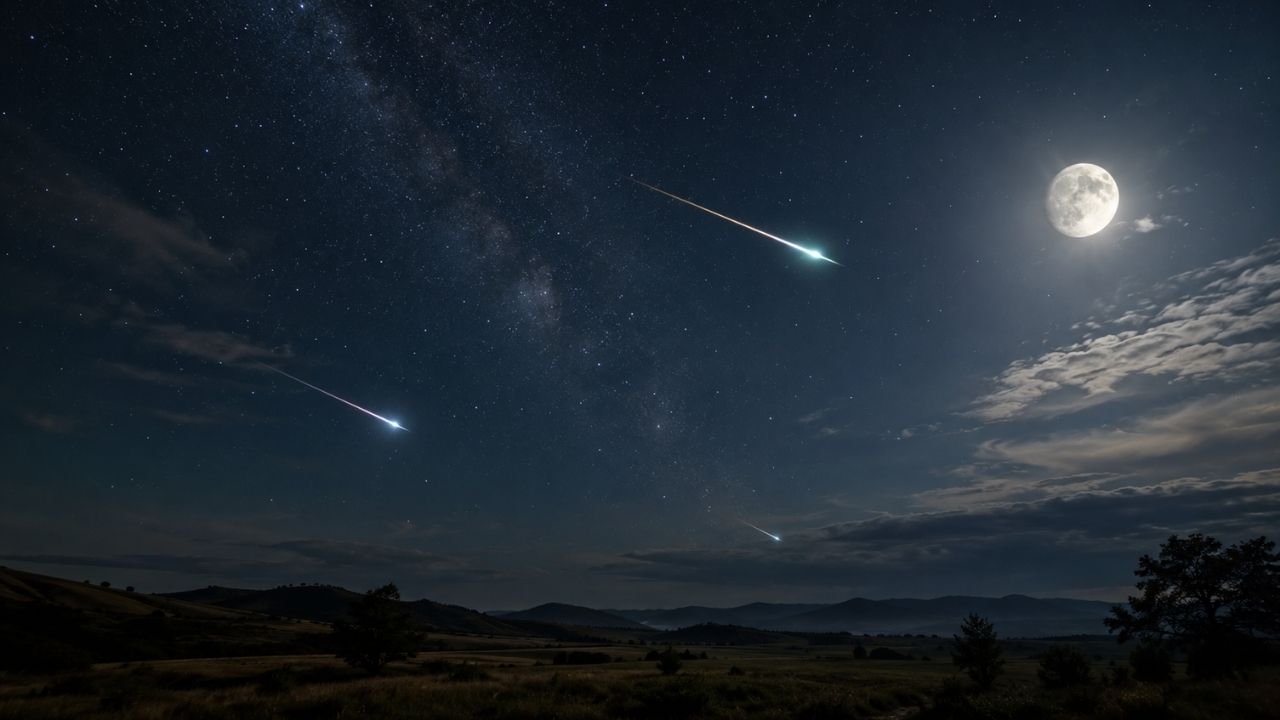
The other shower during this period is the Alpha Capricornids. It is usually smaller, with about five meteors per hour, but it gained fame for generating bright fireballs, capable of standing out even when the sky is not completely dark.
This year’s challenge is the presence of a bright waning gibbous Moon, which may reduce the visibility of weaker meteors. Still, brighter meteors may appear. To increase the chances, it is ideal to observe away from urban lights and keep your eyes on the sky for a longer time.
Comet 10P adds another target to the calendar
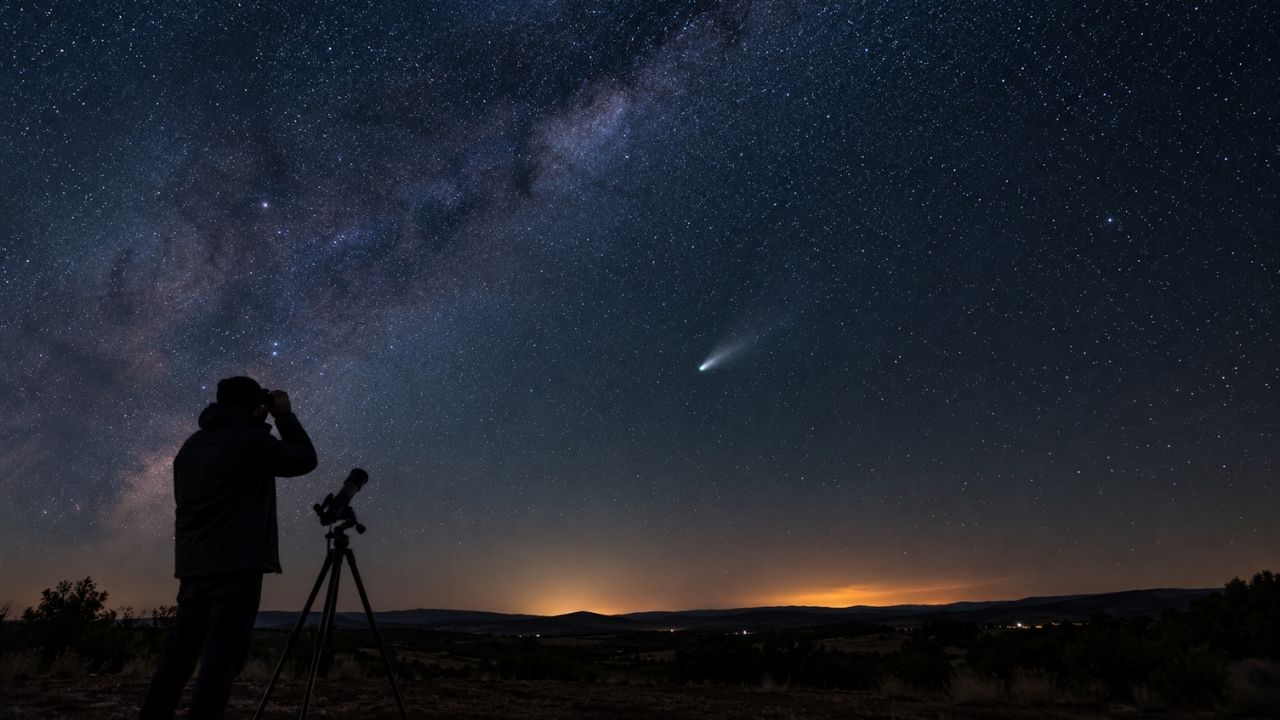
In addition to planets, the Moon, and meteors, July will also have comet 10P as a target for more patient observers. The comet is periodic and completes its orbit around the Sun approximately every five years, gradually becoming easier to observe throughout the month.
In early July, a small telescope tends to be necessary to locate it near the constellation of Capricorn. By the end of the month, under a dark sky, it may become bright enough to be detected with binoculars. Its greatest brightness is expected in early August, but July already allows for tracking its approach.
Planning will be essential to enjoy the month
Even with so many events planned, observation depends on local conditions. Cloudy skies, light pollution, blocked horizon, rain, or fog can prevent viewing. Therefore, those who want to enjoy the night sky of July should choose open locations, check the weather forecast, and observe the timing of each phenomenon.
It’s also worth differentiating the events. Some are better before dawn, such as the encounters involving Saturn, Mars, the Moon, and Pleiades. Others happen right after sunset, like Venus near the Moon. Meteor showers require patience and a longer stay under the dark sky.
The night sky of July brings together a rare sequence of opportunities for astronomy enthusiasts: planetary alignments, New Moon, Milky Way, Venus, Buck Moon, meteors, and a comet. Not all events will have the same intensity, but together they make the month a full calendar for observing space without leaving Earth.
Do you usually observe the sky during meteor showers or special full moons, or do you only follow the images afterward? Tell us in the comments which of these July events you would most like to see live.