






 Portuguese
  Spanish
  5 min of reading
  0 comments


The last Discovery Sport and Range Rover Evoque have already been produced and are expected to leave the factory by July 15, according to sources. Amid uncertainty, Jaguar Land Rover says it has no news, while Chery negotiates to take over the unit and aims for 100,000 cars per year by 2027.
Jaguar Land Rover ends production in Itatiaia in July with 371 jobs at risk, while Chery advances negotiations to transform the factory into a line of 100,000 vehicles per year starting in 2027. The case exposes the uncertainty about the future of the unit in Rio de Janeiro.
The Jaguar Land Rover factory in Itatiaia, in the south of Rio de Janeiro, is experiencing a moment of uncertainty. According to information released by the NSC Total portal, the last units of the Discovery Sport and Range Rover Evoque models have already been completed and are just waiting for distribution to the dealership network, by mid-July. When questioned by the magazine Quatro Rodas, from Grupo Abril, the company only informed that production activities continue normally during June and that it has no new information to disclose. Meanwhile, according to Sindireal, the plant employs 371 workers, and Chery advances negotiations to take over the unit, with the goal of producing up to 100,000 vehicles per year starting in 2027.
The uncertainty at the Jaguar Land Rover factory in Itatiaia
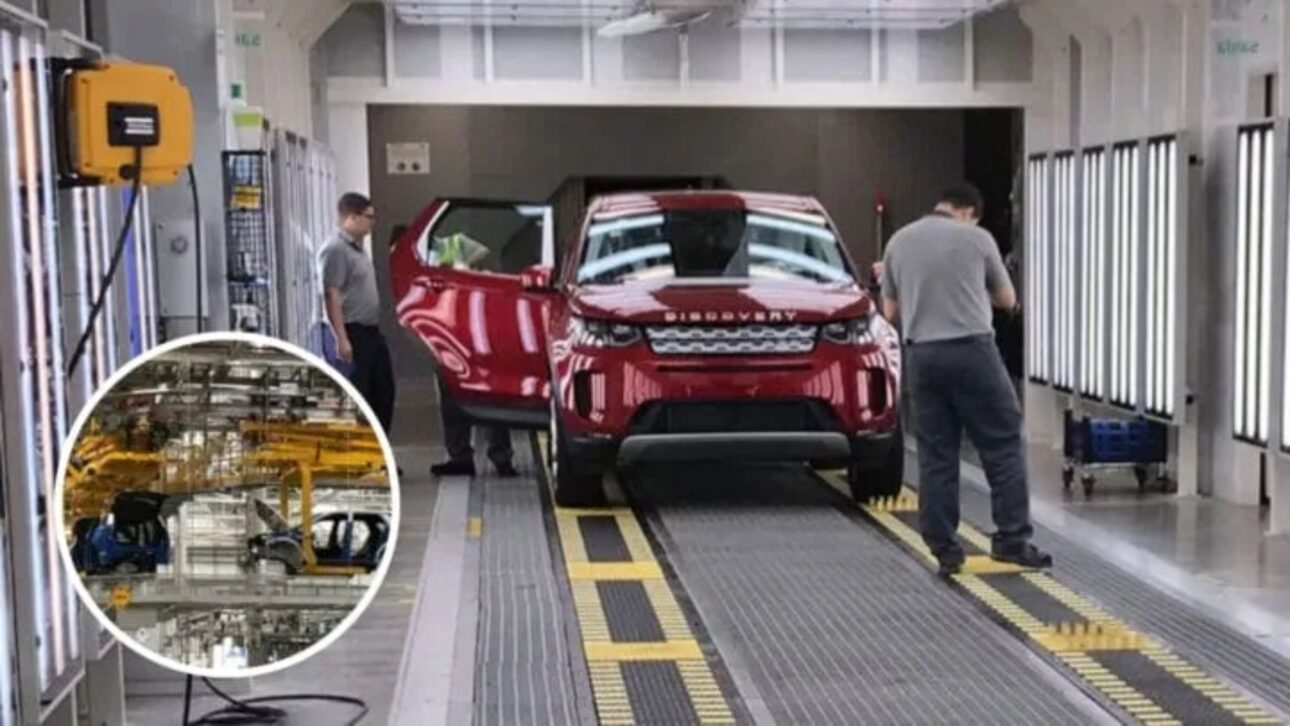
The Jaguar Land Rover factory in Itatiaia, in the south of Rio de Janeiro, is experiencing a moment of uncertainty. According to behind-the-scenes information, the last units of the Discovery Sport and Range Rover Evoque models planned for production have already been completed and are just waiting for distribution to the dealership network, a process that should occur by mid-July.
-
Mexican Pest Threatens U.S. Cattle Herds at Historic Lows, Potentially Boosting Brazilian Beef Exports as Burger Prices Soar

-
Brazilian Freight Bill Progresses in Congress with $5,000 Minimum Wage, 70% Advance Payment, and Fines Up to $1 Million, as Agriculture and Industry Warn of Rising Costs and Legal Uncertainty

-
High Interest Rates and Record Defaults Lead to Surge in Vehicle Repossessions and Crowded Car Auctions in Brazil by 2026

-
São Paulo Offers Over 13,000 Job Openings: Opportunities in Industry, Logistics, and More Across the State


When questioned about the future of the operation by the magazine Quatro Rodas, from Grupo Abril, Jaguar Land Rover only informed that production activities will continue normally during the month of June, according to the company’s planning. The company stated it has no new information to disclose, but the expectation is that all vehicles already produced will leave the factory by July 15.
371 jobs and the union’s concern
According to the Metalworkers Union of Itatiaia and Porto Real (Sindireal), the industrial plant currently employs 371 workers directly. Although the production pace has been reduced in recent years, employees have been participating in professional qualification programs, and market numbers reflect the slowdown: between January and May this year, Jaguar Land Rover models registered only 264 registrations in Brazil.
The administrative director of Sindireal, Bruno Mendonça Streva, states that the company maintains a collective labor agreement in force and has been fulfilling its labor obligations. According to him, the main concern of the union is to ensure the preservation of jobs in case of a negotiation involving the Jaguar Land Rover factory.
Negotiations with Chery advance
Discussions about the possible acquisition of the Jaguar Land Rover unit have recently advanced. On June 12, representatives from the Itatiaia City Hall participated in a virtual meeting with Chery executives to continue negotiations, a meeting that was even published on the municipality’s official website, but whose publication was later taken down, according to information anticipated by journalist Jorge Moraes from CNN.
During the meeting, the Chinese automaker formalized its interest in joining the tax incentive programs available in the municipality, and the local administration presented the necessary legal and administrative requirements. In parallel, Chery is also negotiating with the government of the state of Rio de Janeiro, but taxation issues still prevent the conclusion of the agreement, with discussions also ongoing in the Legislative Assembly, all revolving around the future of the Jaguar Land Rover plant.
A factory that never reached high volume
Inaugurated a decade ago, the Jaguar Land Rover unit never reached significant production volumes. This context contributes to the uncertainty about the definitive closure date of operations in Itatiaia.
Currently, the factory operates in the SKD system, the Semi Knocked Down, in which the bodies arrive ready, already painted and assembled, with the plant only responsible for the final assembly stage, predominantly with imported components. This relatively simple structure helps explain why the volumes were never high.
Chery’s Plans: Omoda 4 and 100,000 Vehicles Per Year
However, the existing structure does not meet the industrial plans of Chery Automobile, which intends to use the site to produce the Omoda 4 domestically, a compact SUV with a 1.0 turbo flex hybrid engine. The model is aimed at competing in the market with Volkswagen Tera, Fiat Pulse, Renault Kardian, Chevrolet Sonic, and GAC GS3, and the unit may eventually manufacture vehicles from the Omoda, Jaecoo, Lepas, and Jetour brands, as well as export to South America, taking advantage of the incentives currently linked to Jaguar Land Rover.
The plan is to transform the plant for the CKD model, the Completely Knocked Down, with welding, assembly, and painting done locally, and increase the capacity to about 100,000 vehicles per year starting from the second half of 2027, with 87,000 units already included in commitments with the governments.
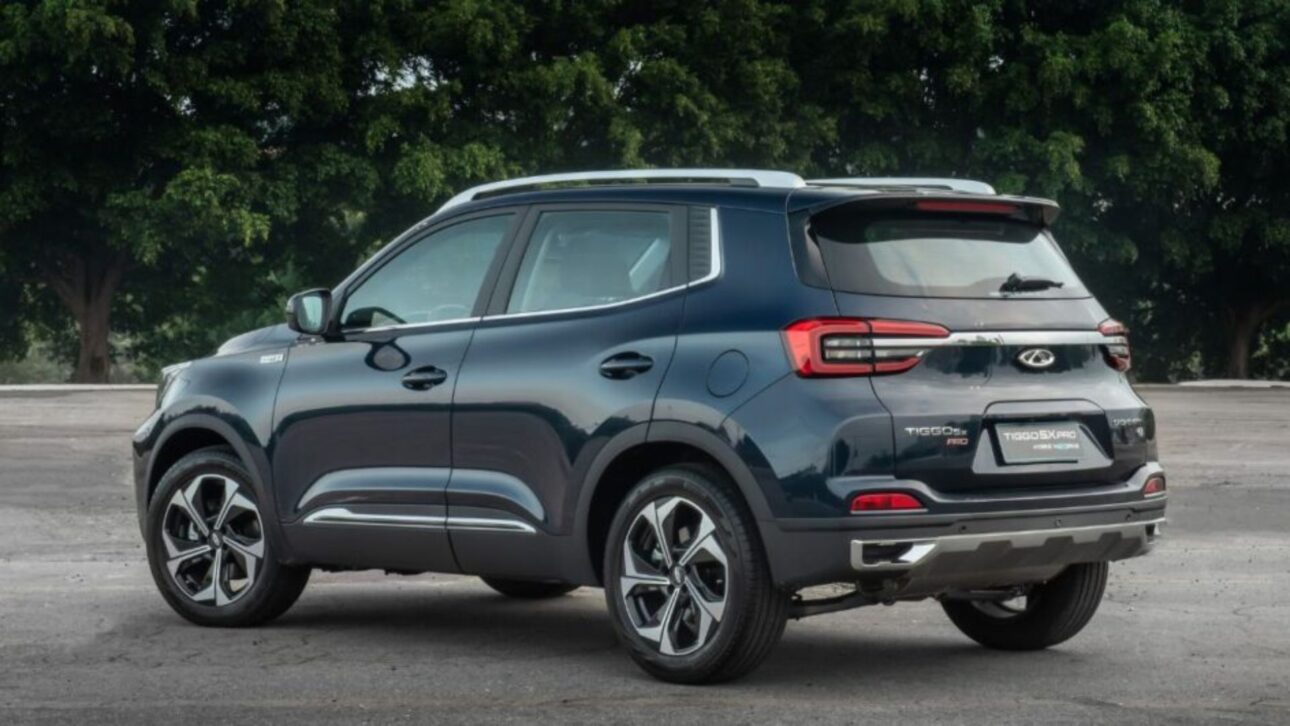
Industry sources also point to the possibility of Jaguar Land Rover itself continuing to use the factory through Chery, as the Chinese group manufactures Land Rover vehicles in China and develops the Freelander together, in a previous partnership that may have facilitated the negotiations.

The Jaguar Land Rover factory in Itatiaia faces an uncertain future: the last Discovery Sport and Range Rover Evoque are expected to leave the plant by July 15, while 371 direct jobs are at risk and the union is focusing efforts on preserving these positions.
In parallel, Chery is negotiating to take over the unit and make it a line of up to 100,000 vehicles per year from 2027, starting with the Omoda 4, although tax issues and the lack of an official confirmation keep the outcome open.
With an existing partnership between the two companies in China, the scenario could even result in a shared operation, but for now, the future of Jaguar Land Rover in Brazil depends on negotiations that have not yet been concluded.
And you, what do you think of the possible transformation of the Jaguar Land Rover factory by Chery? Do you believe the 371 jobs will be preserved? Share your opinion and exchange ideas with other readers about the automotive sector and the industry.





Be the first to react!