






 Portuguese
  Spanish


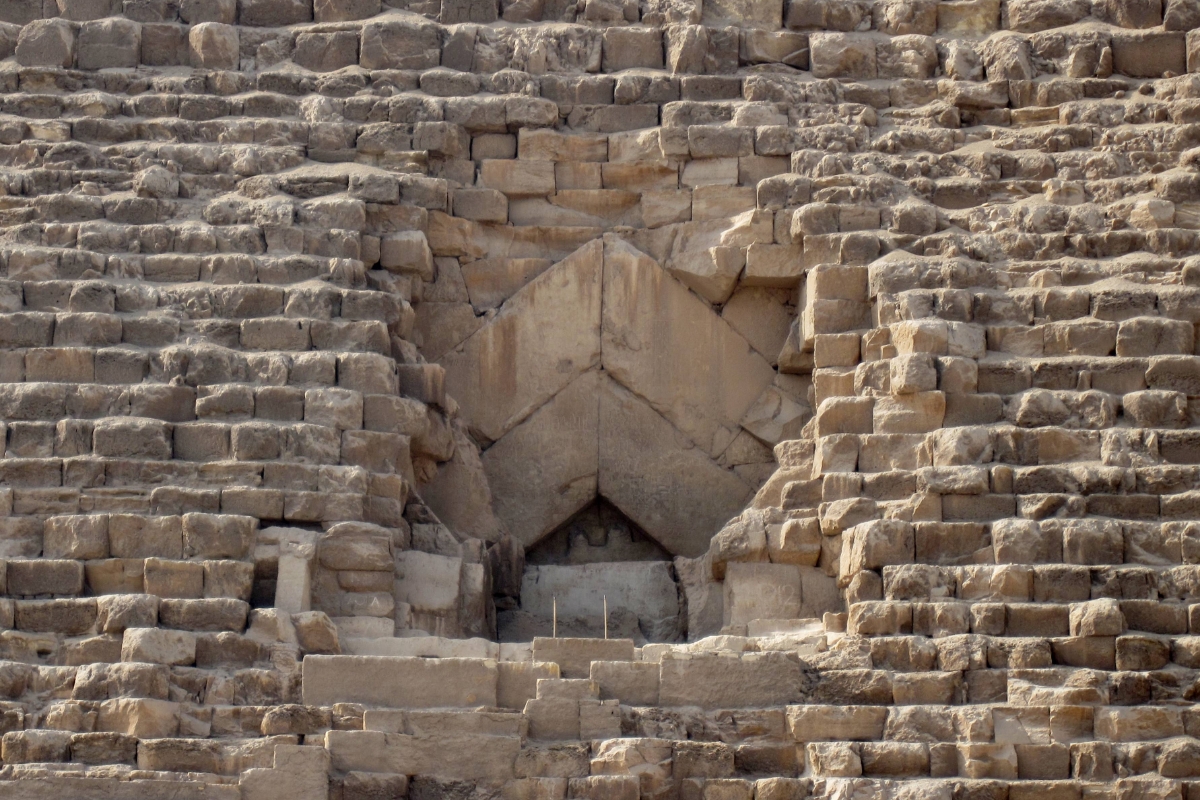

The Most Intriguing Discovery Of The Century: Two Hidden Chambers Were Found In The Pyramid Of Mikerinos, And Archaeologists Believe That There Is A Secret Entrance
For centuries, the pyramids of Egypt have been a symbol of mystery, and now a new discovery rekindles the debate about what really lies within. An international team of scientists detected two hidden cavities on the east side of the pyramid of Mikerinos, one of the three monumental structures on the Giza plateau. The results, recently published in the journal NDT & E International, suggest that there may be a second, still-unknown entrance in the monument.
A Discovery That Defies Known History
The pyramid of Mikerinos, built during the reign of the pharaoh Menkaure (between 2490 and 2472 BC), is the smallest of the three main pyramids at Giza, with an original height of about 65 meters. Until now, it was believed that there was only one entrance, located on the north face, as is the case with most pyramids of the Old Kingdom. However, the discovery of two aligned voids on the east side may change the understanding of its internal structure.
The researchers observed that in this region, there are stone blocks polished with unusual precision, something that has drawn attention for decades. “The stones have an extremely fine finish over an area of four meters high by six wide. This type of work only appears in the known access zones of the pyramid,” explained members of the research team from Cairo University and the Technical University of Munich.
-
Raised in a Family of 16, Mechanic’s Daughter Overcomes Challenges to Become a Leading Female Figure in Brazil’s Automotive Industry

-
Brazilian Sisters, Aged 103, 104, and 109, Set Guinness World Record as Oldest Sibling Trio, Totaling 316 Years; Attract Scientific Interest for Longevity DNA Study
-
14-Year-Old Australian Entrepreneur Goes Viral After Y Combinator Rejection, Runs Two Startups Including an AI Company After Sock Business Failure

-
100-Year-Old Brazilian Sets World Record by Swimming 50 Meters in 1 Minute and 9 Seconds, Inspired by Tarzan Films


Three Technologies Revealed What The Eyes Cannot See
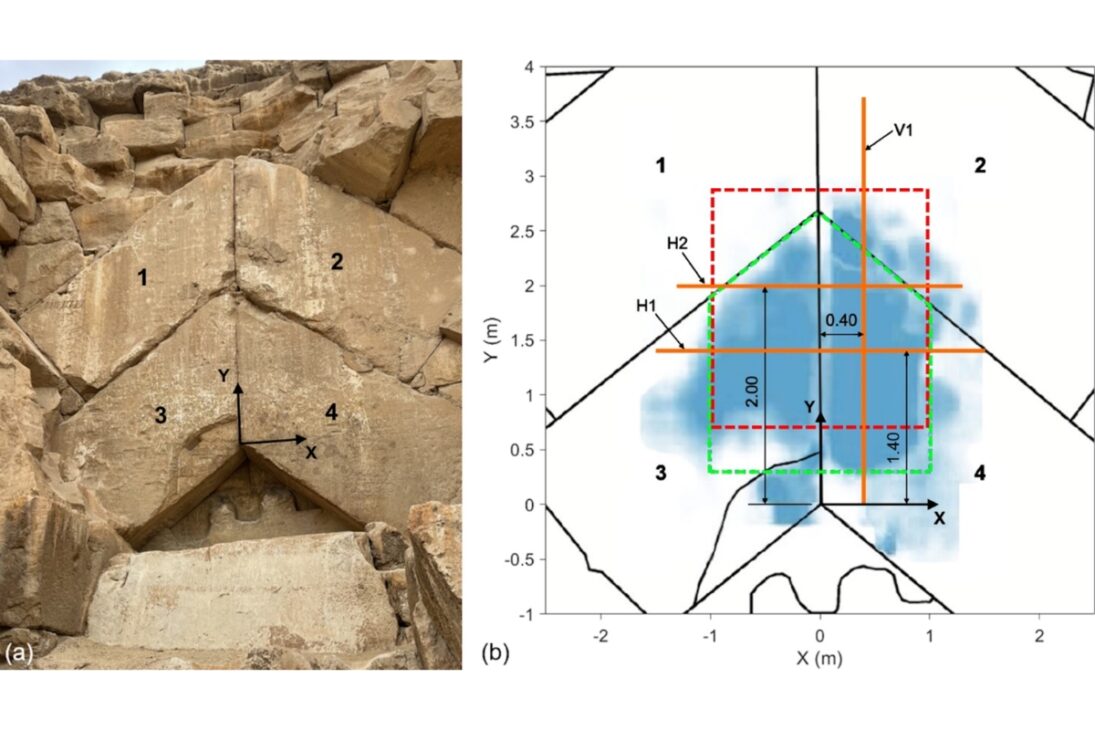
To verify whether there was a chamber or hidden passage behind these blocks, the group applied a combination of advanced non-invasive prospecting techniques: electrical resistivity, ground penetrating radar (GPR), and ultrasound. These methods allow for the analysis of the subsoil and internal structures without damaging the original stones.
The results were surprising. The measurements indicated the presence of two cavities very close to each other, one located 1.4 meters behind the east surface and another 1.13 meters, suggesting a possible corridor or sealed chamber. Although further testing is still needed, the researchers believe the data points to an intentional architectural anomaly, possibly designed as a secondary entrance or ritual chamber.
A Mystery That Could Rewrite Egyptian Archaeology
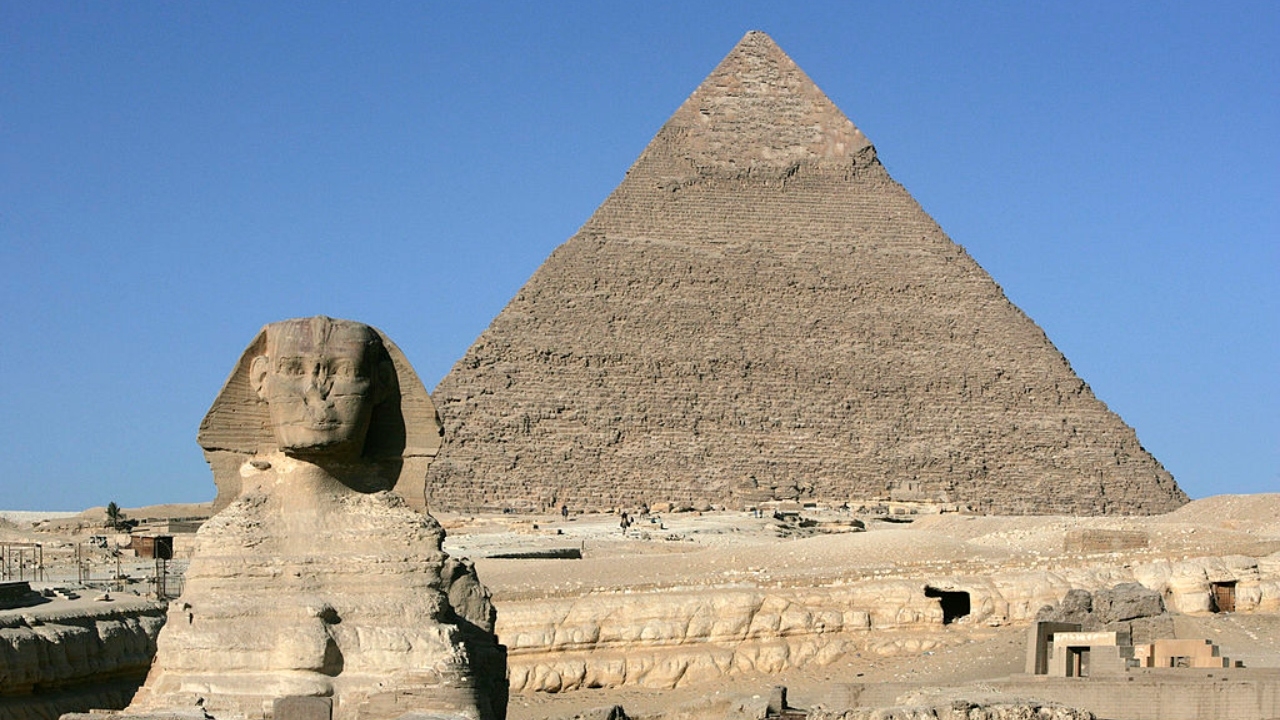
The discovery relates to a hypothesis put forward in 2019 by independent researcher Stijn van den Hoven, who suggested that the polished blocks could conceal an alternate access. His theory was published on the platform Academia.edu and later confirmed as plausible by the new field analyses.
Peter Der Manuelian, a professor of Egyptology at Harvard University, emphasized that this is a significant advancement in the study of the pyramids. “It is a very interesting discovery that shows we still have much to learn about the structures of Giza,” he stated. According to him, although most entrances from the Old Kingdom are located on the north face, one cannot rule out that the builders of Mikerinos experimented with alternative designs or symbolic additions.
The discovery is part of the Scan Pyramids project, a joint initiative between Egypt and Germany that uses remote sensing technology to uncover the secrets of the pyramids without the need for invasive excavations. In recent years, the same program identified structural voids in the Great Pyramid of Giza, confirming that there are still unexplored areas even in the most studied monuments on the planet.
If future investigations confirm the existence of a hidden entrance, it could be one of the most significant archaeological discoveries of the 21st century, capable of changing the understanding of the engineering, symbolism, and construction techniques of the ancient Egyptians.


