Portuguese
  Spanish


Chery presents the e-Vo REEV, an electric motorcycle with a gasoline generator that recharges the battery on the move and promises to combat range anxiety.
The Chinese manufacturer Chery surprised the market during the Beijing Motor Show 2026 by revealing the e-Vo REEV, a motorcycle concept that combines electrification with an unusual solution for one of the biggest problems of electric motorcycles: range. Instead of relying solely on outlets or charging stations, the model incorporates a small gasoline engine that functions only as a power generator.
The proposal drew attention because the motorcycle remains essentially electric. The combustion engine does not drive the wheel at any time. Its sole mission is to produce electricity to power the battery when needed, creating a kind of “range extender” similar to those used in some electrified cars.
The REEV system makes the motorcycle operate as electric, but without fully relying on chargers
The acronym REEV stands for Range Extended Electric Vehicle. In practice, the e-Vo REEV uses an electric motor to drive the rear wheel. All the acceleration, instant torque, and silent operation typical of an electric motorcycle remain present.
-
Nissan Kicks S Direct 2018: Affordable Used SUV with Over 13 km/l Fuel Efficiency, 432-Liter Trunk, and CVT Automatic Transmission

-
Iconic Orange Double-Decker Bus, a Dutch Fan Favorite for Over 20 Years, Arrives in Texas for the World Cup After Touring Brazil, England, Qatar, and More
-
$100 Million Hypercar Collection, Including Ferrari LaFerrari and McLaren Speedtail, Found Abandoned at Los Angeles Airport
-
Hyundai ix35 2019: A Forgotten SUV with 2.0 Engine and 650 km Range Costs Less Than a New Kwid in Brazil


The difference appears when the battery starts to discharge. At that moment, a small gasoline engine kicks in to generate electricity and keep the system running.
This means the rider does not need to stop immediately to find an outlet when the charge decreases. Just refuel and continue riding while the generator produces energy for the battery.
Chery claims the gasoline engine never drives the rear wheel
This detail differentiates the e-Vo REEV from traditional hybrid motorcycles. In many hybrid systems, electric motors and combustion engines can work together to move the vehicle. In Chery’s proposal, this does not happen.
The thermal engine acts exclusively as an electric generator. All traction remains the responsibility of the electric set.
This architecture allows preserving the typical experience of an electric motorcycle while reducing the so-called “range anxiety,” one of the main obstacles to the mass adoption of this type of vehicle.
The futuristic look of the e-Vo REEV seems straight out of a science fiction movie
Besides the different mechanics, the design was also one of the highlights of the presentation. Chery defines the concept as a Cyber Cruiser, combining aggressive lines, muscular bodywork, and minimalist LED lighting.
The set presents a futuristic appearance that distances itself from the conventional motorcycles currently found on the streets.
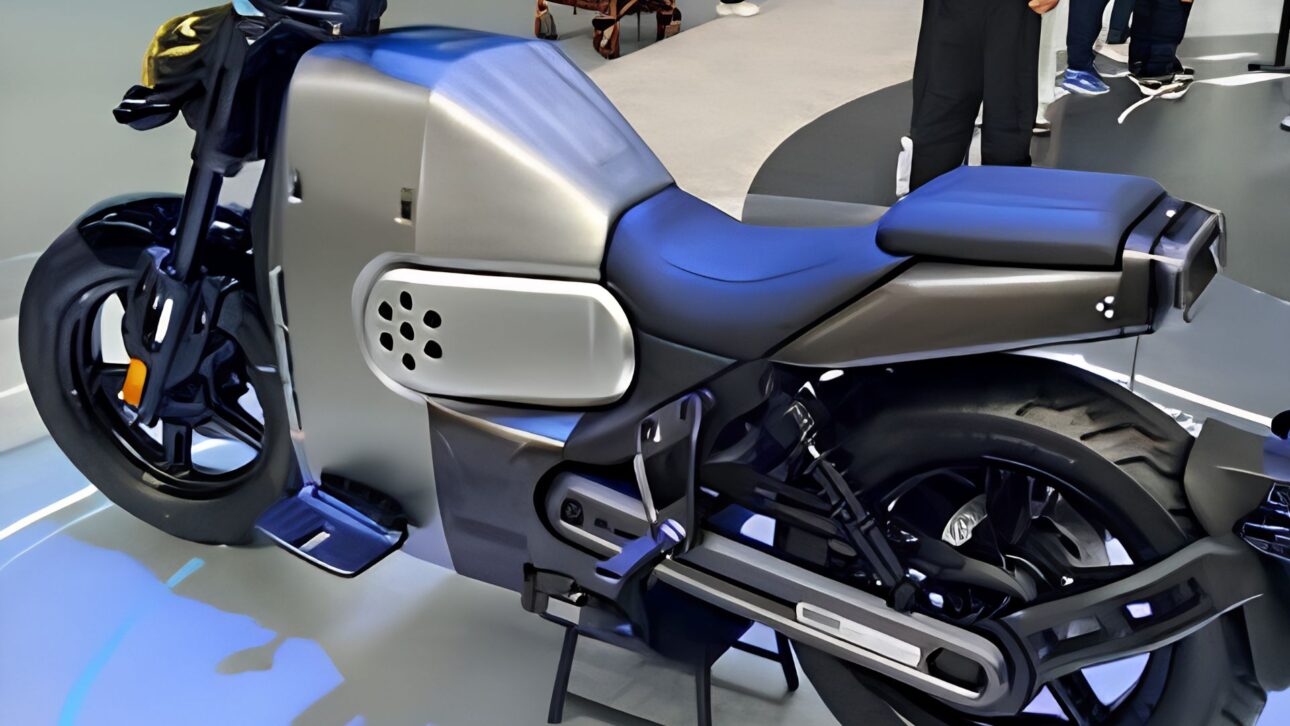
The released images also show sporty alloy wheels, a low riding position, and various technological elements integrated into the design.
The concept motorcycle incorporates technologies usually seen in premium cars
Chery also used the e-Vo REEV as a technological showcase. According to the information presented during the event, the prototype includes driver assistance systems typically found in more sophisticated cars.
Among them are blind spot alerts, real-time energy flow monitoring, and features classified as ADAS, an acronym used for advanced driver-assistance systems.
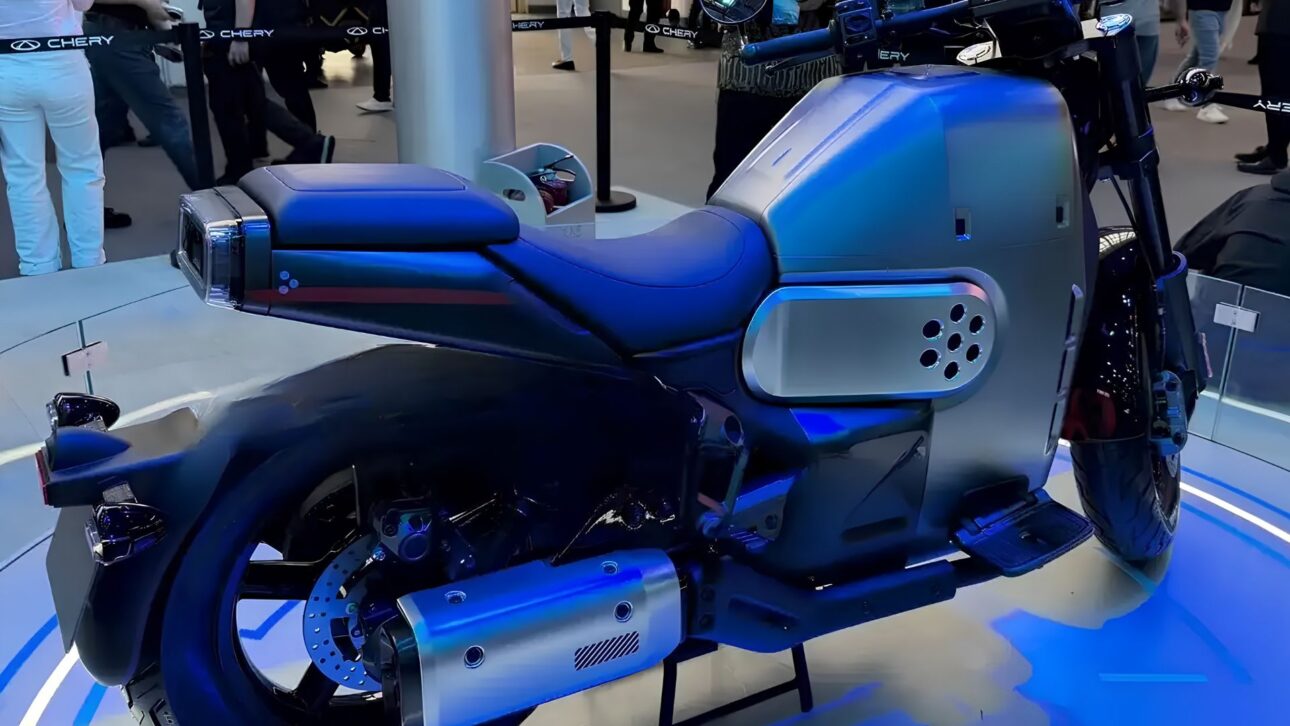
Some specialized publications also report the presence of tactile alerts on the handlebar grips to warn about vehicles in blind spots.
The concept aims to solve precisely the biggest challenge of current electric motorcycles
Although electric motorcycles have advanced significantly in recent years, the charging infrastructure remains a problem in many countries.
In large urban centers, recharging is usually simpler. However, on long trips or in regions with few chargers available, autonomy can still limit usage. The solution presented by Chery attempts to eliminate this barrier by using existing fuel stations as an indirect energy source for the battery.
The strategy is not unprecedented in the automotive sector. Several electrified cars have already used similar range extension systems. What draws attention is the application of this concept in a motorcycle.
Chery has not yet revealed power, range, or battery capacity
Despite the buzz generated by the presentation, many technical details remain unknown. The manufacturer has not yet officially released information such as electric motor power, battery capacity, total range, gasoline generator consumption, or mass production forecast.
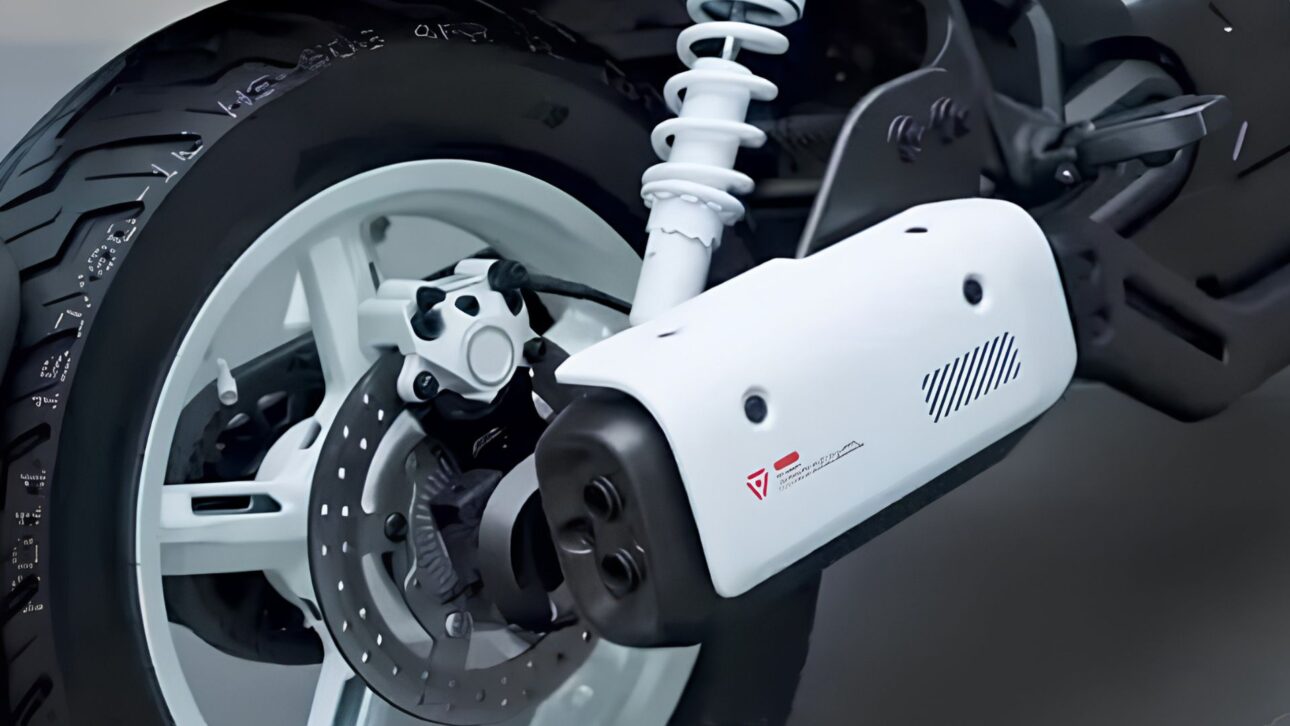
For now, the e-Vo REEV remains an experimental concept presented to demonstrate a possible technological direction for the future of electric motorcycles.
Known specifications of the Chery e-Vo REEV
| Item | Available Information |
|---|---|
| Manufacturer | Chery |
| Model | e-Vo REEV |
| Type of propulsion | Electric |
| REEV System | Yes |
| Electric motor | Yes |
| Gasoline engine | Yes, only as a generator |
| Wheel drive | Exclusively electric |
| TFT digital panel | Yes |
| Blind spot alerts | Yes |
| ADAS technologies | Yes |
| ABS | Yes |
| Power | Not disclosed |
| Battery capacity | Not disclosed |
| Range | Not disclosed |
| Mass production | Not confirmed |