Portuguese
  Spanish


The competition-inspired look helped transform the R15 into a national phenomenon
The sports bike category has always been associated with high-displacement machines, aggressive fairings, and high prices. For decades, models like Honda CBR, Kawasaki Ninja, Yamaha R1, and BMW S1000 RR dominated the imagination of motorcyclists. However, in 2026, the absolute leader of the Brazilian segment has only 155 cc.
The Yamaha YZF-R15 ended the first five months of the year as the best-selling sports bike in Brazil. Data from Fenabrave shows that the model accumulated 5,448 registrations by May, a result that guarantees it more than 62% market share among bikes classified in the Sport category. The gap to competitors is impressive: the Yamaha YZF-R3 appears with 678 units accumulated, while the Kawasaki Ninja 500 registers 568 registrations.
The small Yamaha achieved something rare and transformed an entry-level sports bike into the absolute leader of the segment
The success of the R15 is noteworthy because it competes in a market traditionally dominated by larger and more powerful bikes. Instead of betting solely on power, Yamaha created a bike with a superbike look, sporty riding position, and technologies typically associated with higher categories, while maintaining acquisition, insurance, and consumption costs much closer to the reality of the Brazilian motorcyclist.
-
Nissan Kicks S Direct 2018: Affordable Used SUV with Over 13 km/l Fuel Efficiency, 432-Liter Trunk, and CVT Automatic Transmission

-
Iconic Orange Double-Decker Bus, a Dutch Fan Favorite for Over 20 Years, Arrives in Texas for the World Cup After Touring Brazil, England, Qatar, and More
-
$100 Million Hypercar Collection, Including Ferrari LaFerrari and McLaren Speedtail, Found Abandoned at Los Angeles Airport
-
Hyundai ix35 2019: A Forgotten SUV with 2.0 Engine and 650 km Range Costs Less Than a New Kwid in Brazil


The result was a combination hard to ignore. The bike began to attract everyone from young people buying their first sports bike to experienced motorcyclists looking for a faired model for daily use without the high costs of medium and high-displacement bikes.
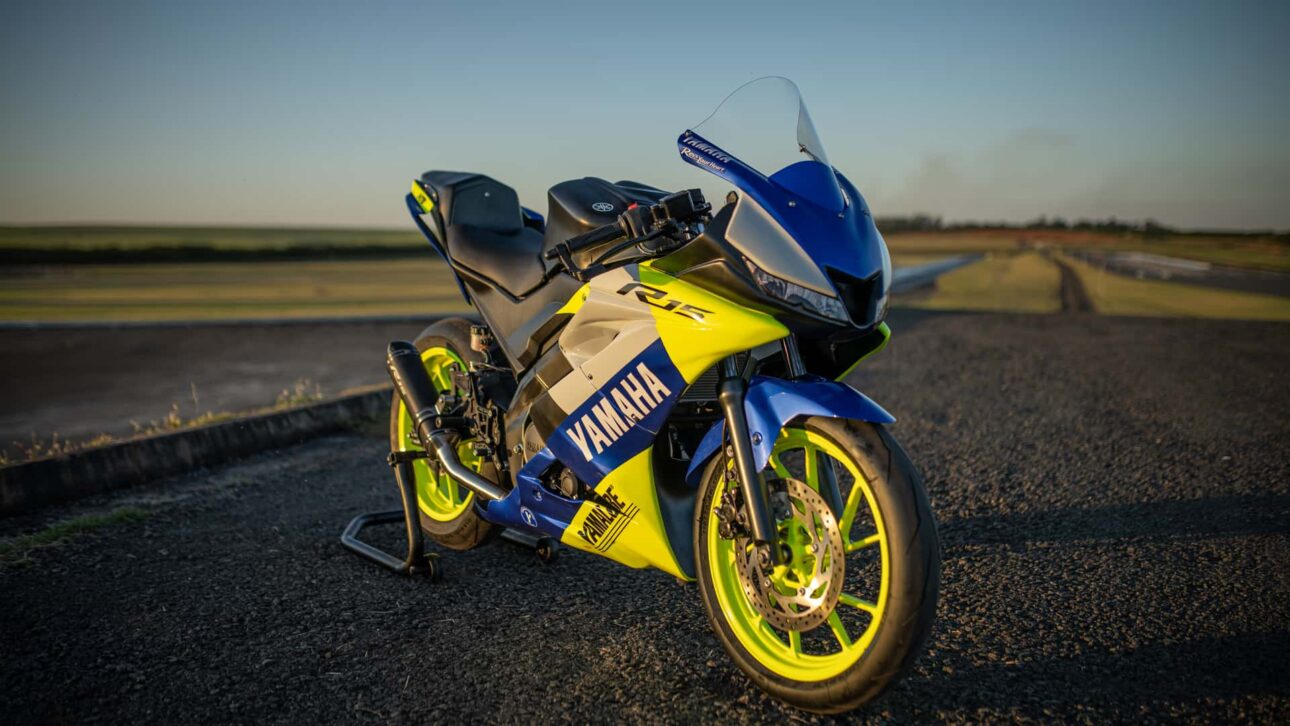
The competition-inspired look helped transform the R15 into a national phenomenon
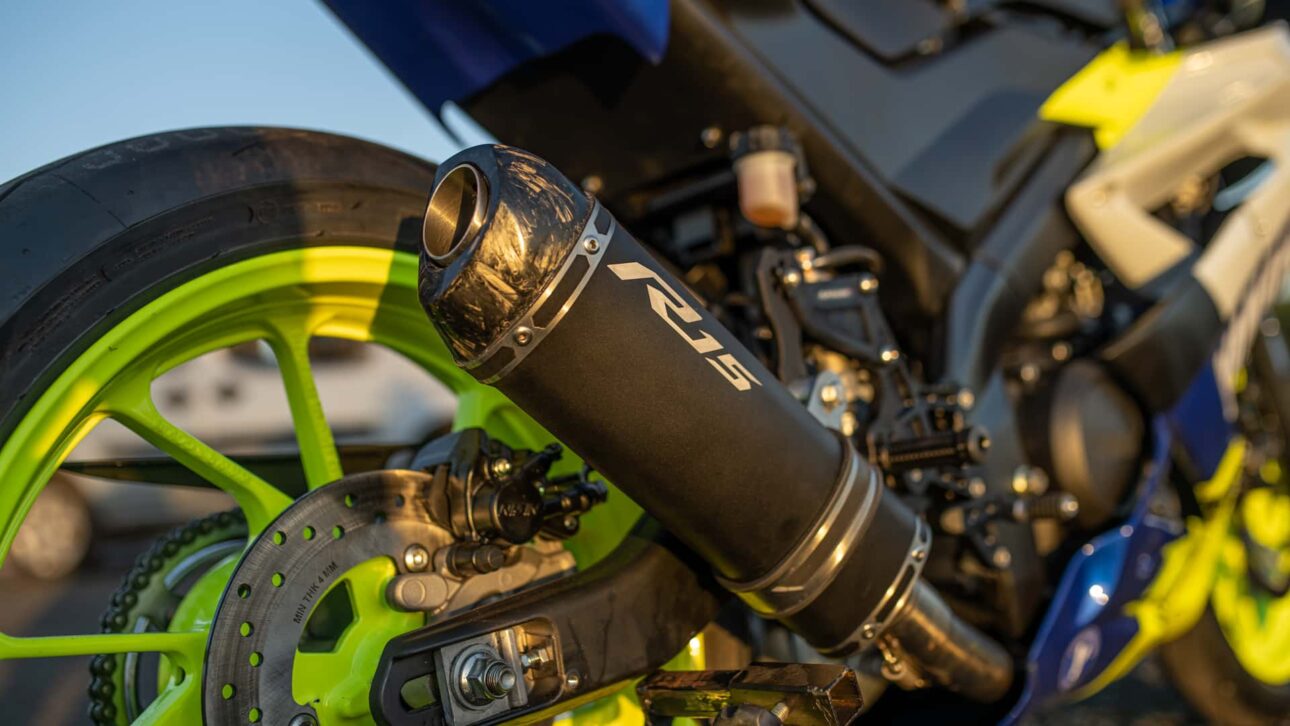
A large part of Yamaha’s success is linked to its design. The YZF-R15 uses a visual language strongly inspired by the R family motorcycles of the Japanese manufacturer. The front assembly resembles much more expensive models, while the full fairings help create the appearance of a true racing machine.
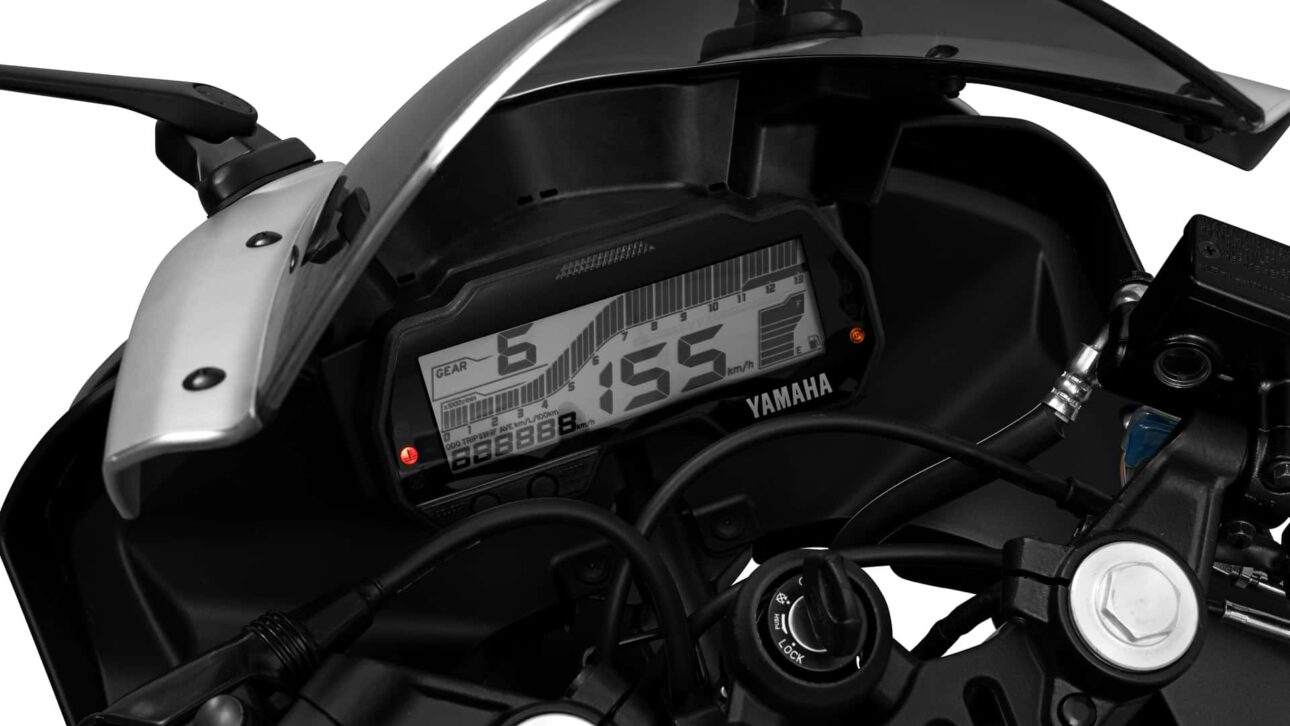
The project also received technological elements that reinforce this proposal. Among them are full LED lighting, a digital panel, assisted and slipper clutch, inverted front suspension, and traction control in certain versions.
This package helped create an unusual situation in the Brazilian market: a low-displacement motorcycle that conveys the visual sensation of a much more sophisticated model.
More than 62% of the Sport segment shows that leadership is not just symbolic
The most impressive data is not just the number of motorcycles sold. With 5,448 units accumulated by May, the R15 holds more than 62% of the Sport category, something rare in any segment of the two-wheeled market. While many categories have balanced competitions among various manufacturers, Yamaha has built an extremely wide advantage among sport bikes.
The difference becomes evident when the numbers are compared to those of the closest rivals. Yamaha’s own R3 appears with less than 700 accumulated units, while the Kawasaki Ninja 500 remains below 600 motorcycles in the period. In practice, the R15 sells more than several competitors combined.
The 155 cc engine explains why the motorcycle won over so many Brazilians
Unlike what happens in traditional superbikes, the main argument of the R15 is not extreme power. The 155 cc single-cylinder engine was developed to offer a balance between performance and economy. This allows the motorcycle to be used daily without turning refueling and maintenance into a problem for the owner.
This aspect became even more important at a time of rising ownership costs in Brazil. Many motorcyclists began to look for models capable of combining a sporty appearance with low operational costs. Yamaha found exactly this balance point.
The R15 became a gateway to the world of sport motorcycles
Another important factor in understanding the phenomenon lies in the profile of the buyers. For a long time, those who wanted a sports bike had to invest significantly higher amounts in mid-sized motorcycles. This created a financial barrier for thousands of motorcyclists interested in the segment.
The R15 reduced this gap. It started to function as an entry point to the world of faired motorcycles, allowing new riders to access a sports model without having to jump directly to higher categories. This positioning greatly expanded the potential audience for the bike and helped explain its rapid rise in national rankings.
Not even the bigger sister could keep up with the leader’s pace
One of the most curious aspects of the 2026 ranking is that the main competitor of the R15 ended up being another Yamaha. The YZF-R3 remains one of the most well-known sports bikes in the Brazilian market and offers significantly superior performance. Even so, the difference in sales between the two bikes shows that the current market increasingly values accessibility and cost-effectiveness.
While the R15 accumulated 5,448 units by May, the R3 registered only 678 registrations in the same period. This difference shows that most consumers in the category are concentrated in entry-level sports bikes.
The bike also became one of the most desired on the Brazilian internet
The dominance of the R15 is not only evident in registrations. A survey released by Webmotors showed that the Yamaha YZF-R15 was the most searched new motorcycle in Brazil in April 2026, surpassing extremely popular models in the national market.
The result indicates that interest in the model goes beyond actual sales. The bike also sparks curiosity in consumers who are researching future purchases or following sector launches. Few bikes manage to lead both searches and registrations simultaneously. The R15 achieved both feats.
The growth of compact sports bikes is changing the Brazilian market
For many years, sports bikes were seen as niche products in Brazil. The high cost of acquisition and maintenance limited the interested audience. The success of the R15 shows a change in this scenario. Compact sports bikes have started to occupy a space that practically didn’t exist before, offering an aggressive look, modern technology, and costs closer to urban bikes.
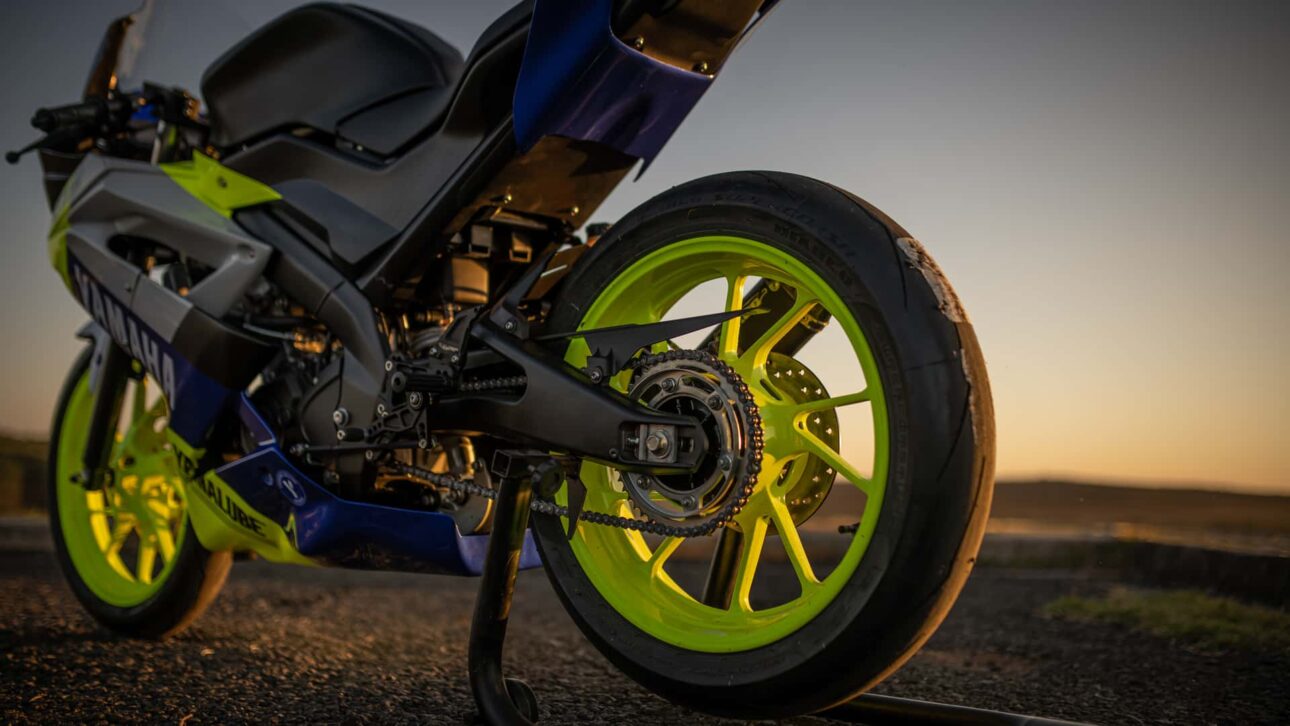
This transformation expanded the reach of the category and brought new consumers to the Sport segment. The result is directly reflected in the Fenabrave numbers, which place Yamaha far ahead of its rivals in 2026.
Yamaha’s small sports bike has become the new benchmark of the segment
The Brazilian motorcycle market continues to be dominated by utility, street, and trail models. Honda CG 160, Biz, and Pop 110i continue to occupy the top positions in the overall sales ranking. Even so, within the universe of sports bikes, the story is different.
With more than 5,400 units registered by May, a market share of over 62% of the category, and numbers far above the main competitors, the Yamaha YZF-R15 turned an apparently simple formula into a national phenomenon.
In a segment historically associated with large, expensive, and exclusive bikes, the leader of 2026 has only 155 cc. And, based on the accumulated numbers so far, no one has come close to it.