Portuguese
  Spanish


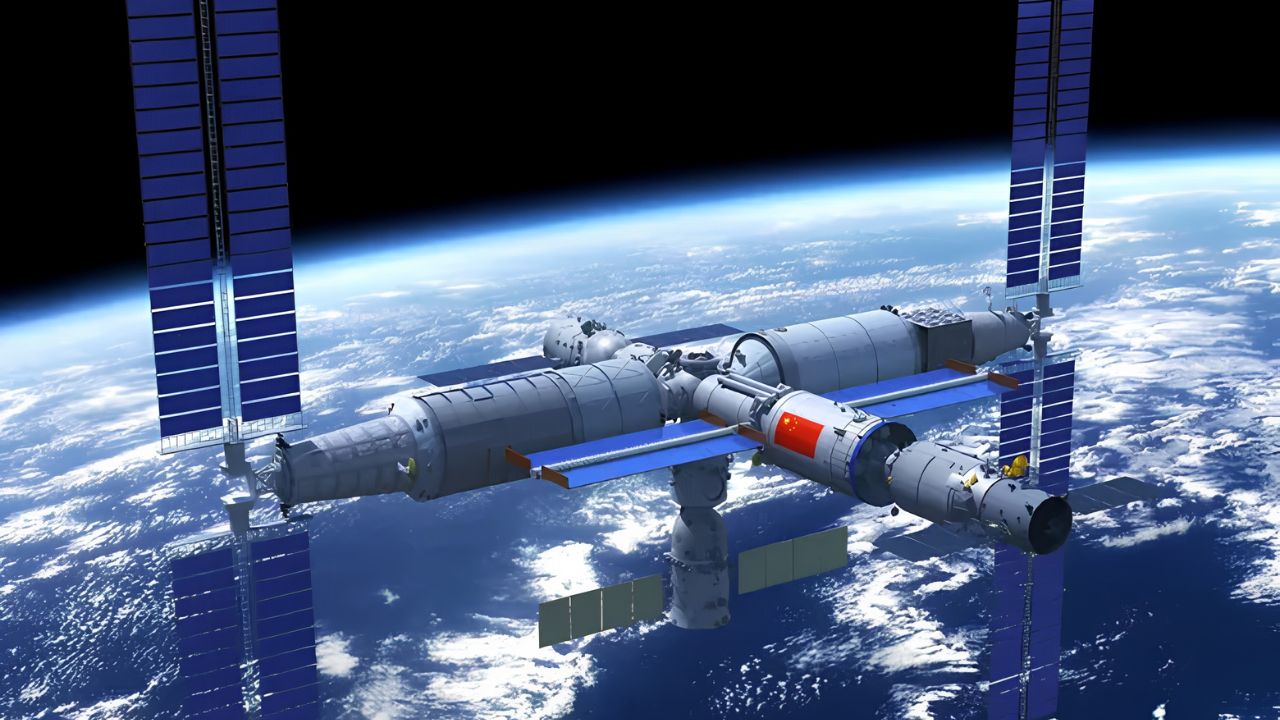


China is planning to expand the Tiangong space station while NASA prepares to retire the ISS.
The race for space has gained a new chapter. While NASA is moving to end operations of the International Space Station (ISS) around 2031, China is accelerating plans to expand its own orbital station, Tiangong — whose name, in Mandarin, means “Heavenly Palace.” The project plans to double the current structure of the complex, potentially making it the main human facility in Earth orbit in the coming decades, as reported by Revista Sociedade Militar.
Tiangong and the Chinese space station expansion plan
Currently operational, Tiangong will undergo a significant structural transformation. The plan involves adding new modules to the already functioning complex, the first of which will be docked directly to the central module, called Tianhe.
With this modification, the station will leave its current “T” shape and assume a cross configuration — a change that is not only visual but also creates physical space for new scientific laboratories.
-
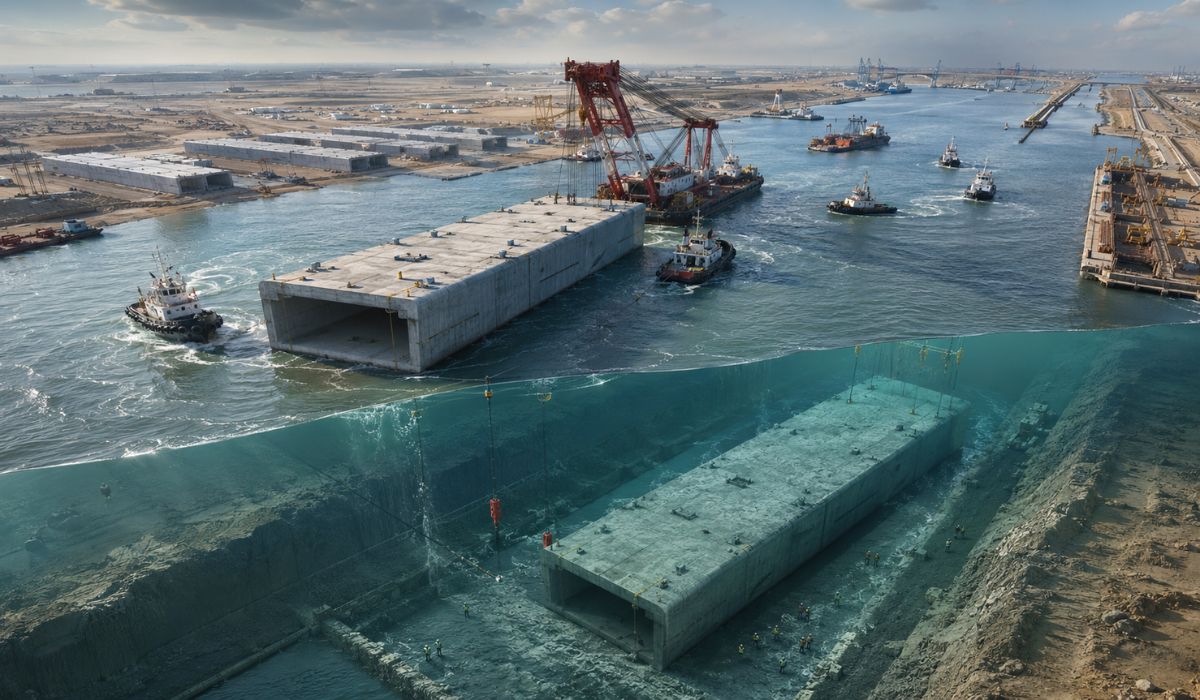
Iraq floats and sinks under an arm of the Euphrates 10 giant concrete boxes of 46,000 tons and 125 meters each to assemble a 2.4 km submerged tunnel and open a new land route between Asia and Europe.

-
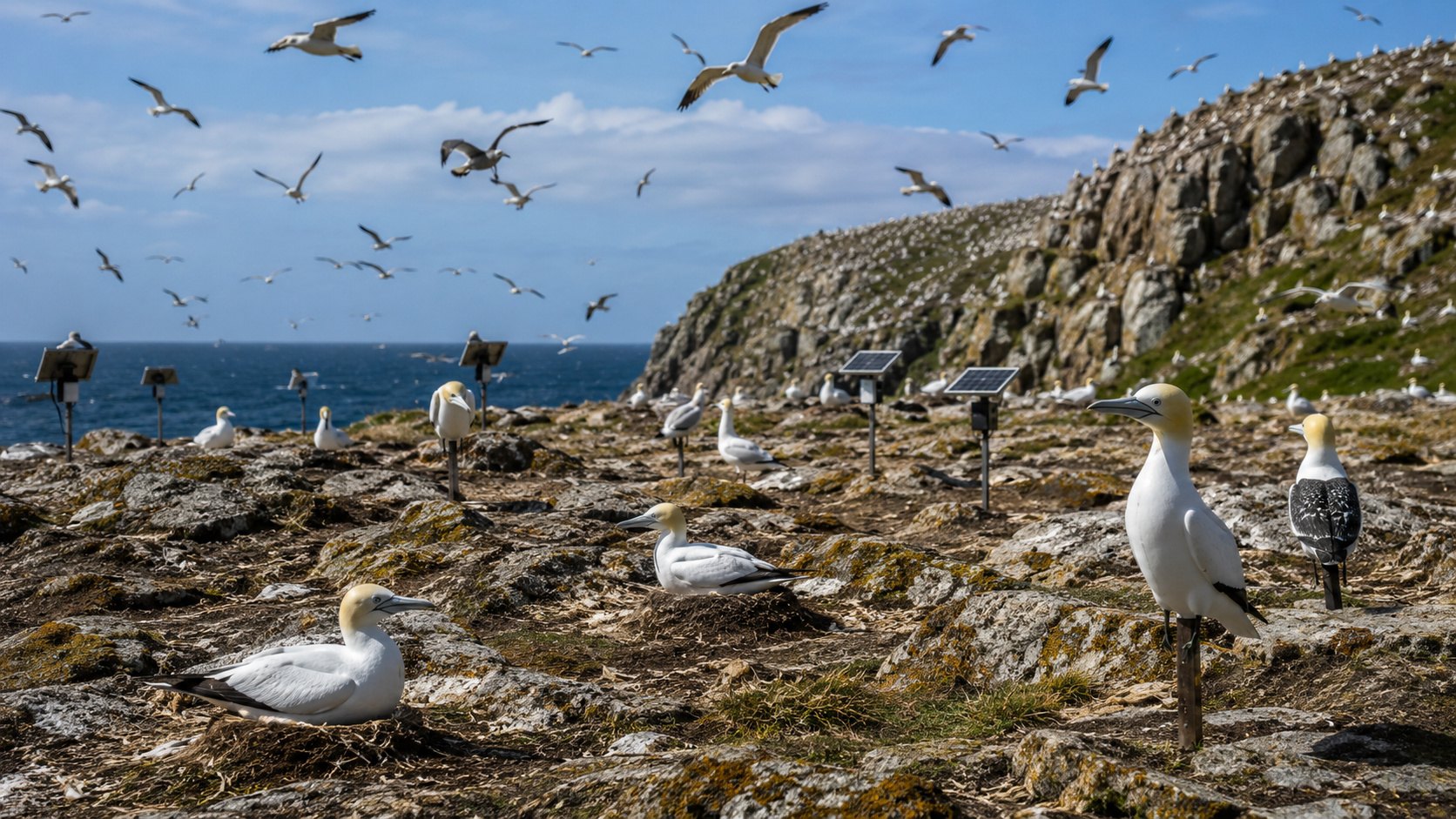
Scientists use more than 20,000 artificial birds and solar speakers to “trick” seabirds, reactivate nesting routes, and revive a colony on an island that seemed abandoned.

-
She spent 73 years breathing inside an iron lung, survived the aftereffects of polio, and became the last woman in the United States dependent on the equipment before dying at 78 years old.
-
Brazilian students created a $1 filter using pine bark, cotton, and 3D-printed parts to clean cassava wastewater, reduce the toxicity of a hazardous waste, and transform contaminated water into biofertilizer.


At the end of the expansion, Tiangong is expected to reach six modules and a total mass of approximately 180 tons.
The expansion goes beyond the physical structure. With more integrated modules, the station gains capacity to host larger-scale research and allow multiple missions to be carried out simultaneously.
Experts indicate that Tiangong has the potential to become an international center for space research, equipped with several docking points capable of receiving spacecraft from different partner countries.
A 100% independent project from NASA and the ISS
One of the most striking aspects of the Chinese space program is its autonomy. Unlike the ISS — built and operated by a consortium that includes the United States, Russia, Europe, Japan, and Canada — Tiangong was developed and is managed completely independently, without any participation from NASA or other members of the original alliance.


This independence reflects a deliberate long-term strategy: to ensure a continuous and sovereign presence in space, without depending on external partnerships to maintain station operations.
ISS: the end of an era with over three decades of history
On the other hand, the iconic project that dominated space exploration for generations is coming to an end. NASA plans to decommission the ISS around 2031, when the station will have accumulated over three decades of continuous operation and the completion of more than 3,000 scientific experiments.

Deorbiting will not be simple. The American agency relies on SpaceX for this stage, which will be responsible for developing the vehicle capable of conducting the controlled re-entry of the structure. The station’s final destination will be the South Pacific Ocean.
The milestones for the end of the ISS include:
- More than 30 years of uninterrupted operation
- More than 3,000 experiments conducted aboard
- Deorbiting planned for approximately 2031
- Controlled re-entry with vehicle developed by SpaceX
- Final impact in the South Pacific Ocean
With information from Military Society Magazine.